






 Portuguese
  Spanish


The new technique developed by British scientists uses electrical discharges to transform greenhouse gases into valuable industrial inputs without the need for extreme heat.
Scientists from the University of Liverpool and Lancaster University have developed an innovative technique that uses plasma technology to transform methane into high-value liquid fuels.
The method, compared to “bottling lightning,” occurs under ambient temperature and pressure conditions, representing a significant advance for industrial sustainability. The research focuses on creating clean fuel through a process that avoids the direct emission of greenhouse gases into the atmosphere.
How plasma technology works in conversion
The new approach uses a non-thermal plasma reactor to break the chemical bonds of methane, a gas with a significantly higher global warming potential than carbon dioxide.
-
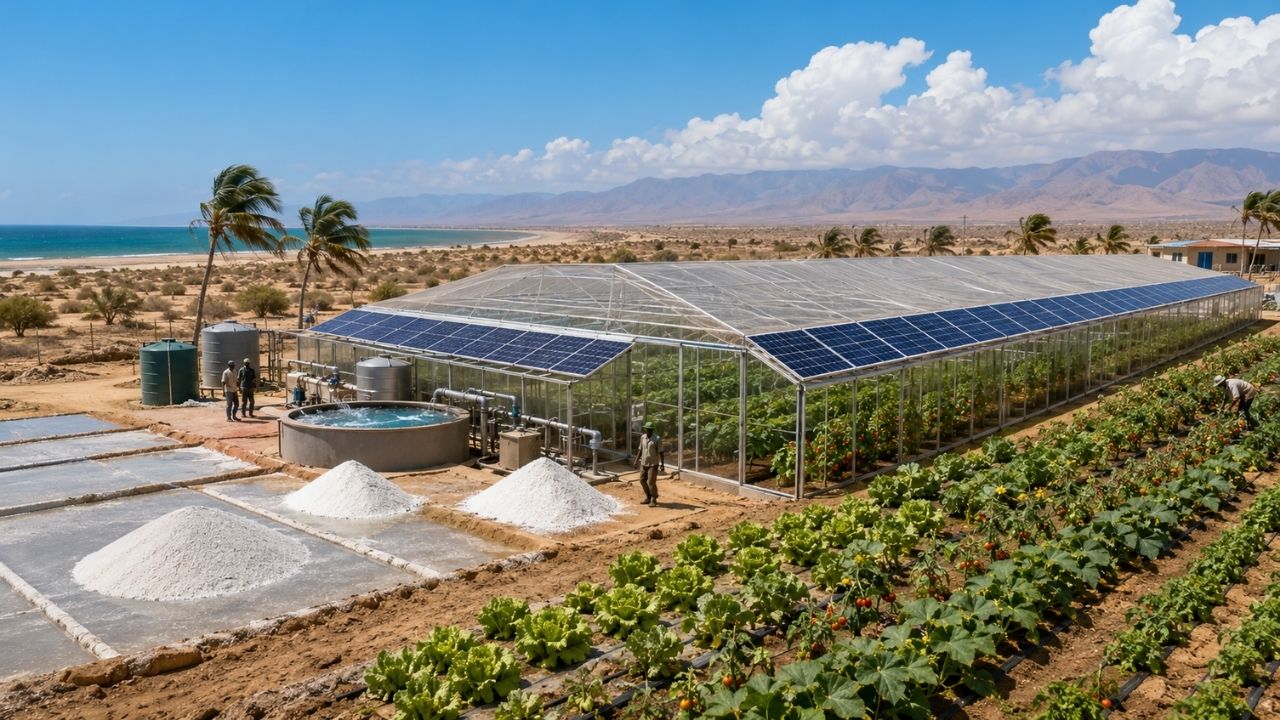
In Somaliland’s Desert, Greenhouse Uses Sun and Seawater to Grow Lettuce, Cucumbers, and Tomatoes Without Rain: 1-Hectare Project Cools Crops, Desalinates Water, and Converts Brine into Commercial Salt

-
Trump Unveils $400 Million Boeing 747 Donated by Qatar as Temporary Air Force One Amid Boeing Delays, Sparking Debate on National Security, Costs, and Foreign Influence
-
Chinese Company Unveils Robotic Toilet That Comes to You, Featuring Lidar Sensors, Voice Command, Bidet, Hot Air Drying, UV Light, and Self-Cleaning Waste Disposal
-
Rotterdam Develops Floodable Square to Absorb Nearly 2 Million Liters of Rainwater, Doubling as Sports, Theater, and Leisure Space When Dry to Combat Urban Flooding



By applying electrical discharges to a gas flow, researchers can induce chemical reactions that would traditionally require temperatures above 700 degrees Celsius. This process allows for the formation of liquid hydrocarbons, such as methanol and acetic acid, which are fundamental components for the production of clean fuel.
The major innovation lies in the ability to operate the system using renewable energy sources, such as wind or solar, to power the electrical discharges.
This integration makes plasma technology a viable alternative for remote locations where conventional gas processing infrastructure is non-existent or economically unfeasible. Unlike current industrial methods, which rely on burning fossil fuels to generate heat, this system remains operable with low energy demand.
Competitive advantages and process sustainability
The system’s efficiency is driven by the use of specific catalysts that direct the reaction towards desired products, minimizing waste and unwanted byproducts. The results demonstrate that plasma technology drastically reduces the energy barrier required for the chemical transformation of methane into valuable raw materials.
This characteristic allows clean fuel to be generated in a decentralized manner, utilizing methane that is often flared in oil and gas fields.
The mechanical simplicity of the reactor and the flexibility of instant on-off operation offer a solution for intermittent renewable energy storage. By converting excess electricity into liquid chemical bonds, scientists solve two simultaneous problems: methane disposal and green energy storage.
This technical advance strengthens the transition to a low-carbon economy, using plasma technology as the main driver of this structural change.
Prospects for clean fuel production
Researchers believe that the large-scale implementation of this technology can transform the petrochemical industry by replacing intensive thermal processes with direct chemical electrification. The sustainable production of methanol and other liquids from methane opens doors for clean fuel to be adopted in heavy transport and aviation sectors.
The study details that precise control of electrical discharges is the key to maintaining process stability without damaging reactor components.
Currently, the project seeks to further optimize the selectivity of catalysts to increase the yield of final products obtained via plasma technology. The success of this development phase is considered crucial for the solution to leave laboratories and reach the global market as a climate mitigation tool.
With continuous refinement, the expectation is that the conversion of methane into clean fuel will become an industrial standard in the coming years.
With information from Interesting Engineering





Be the first to react!