






 Portuguese
  Spanish
  4 min of reading
  0 comments


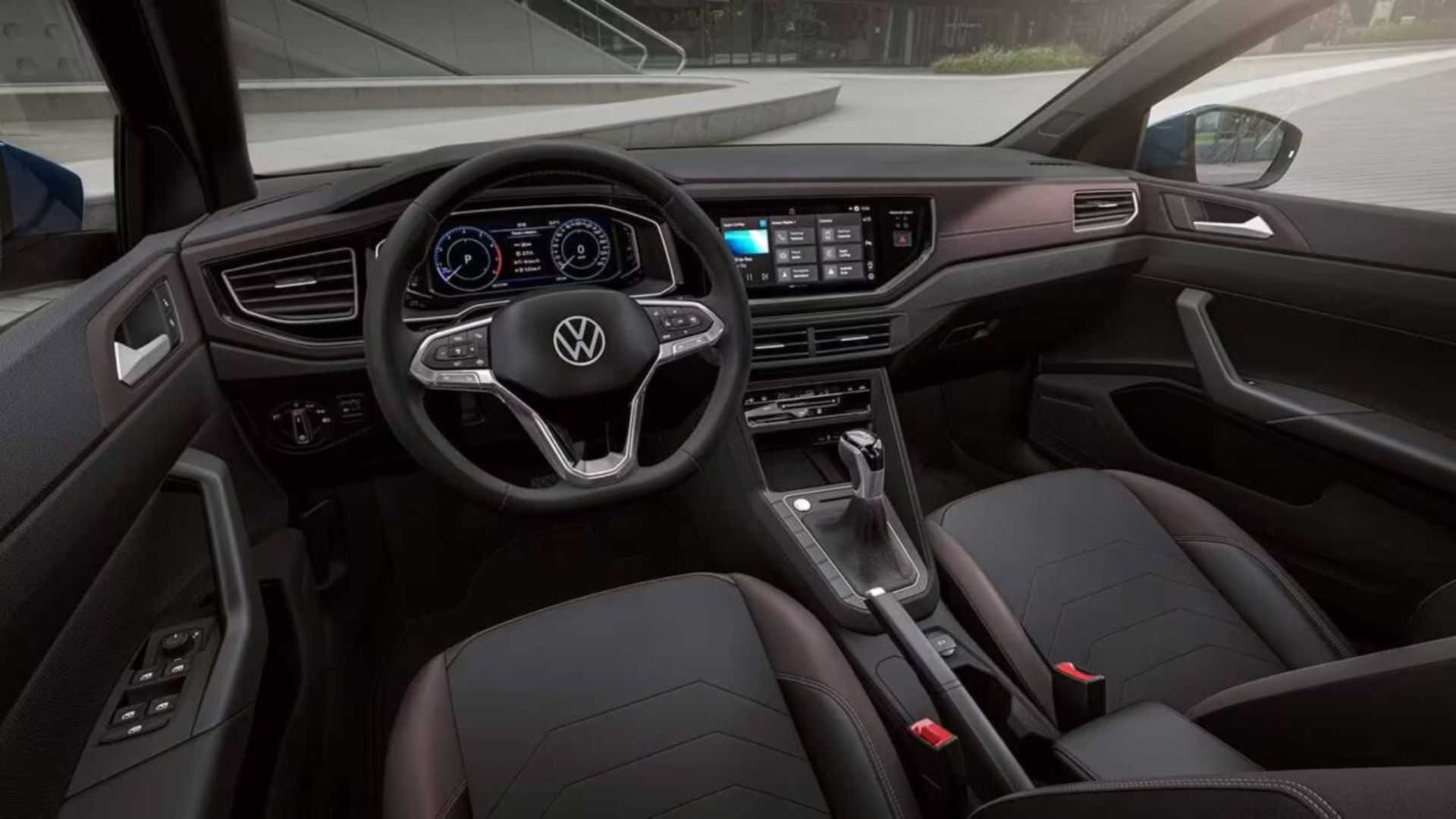
Volkswagen Virtus Exclusive 2025 Draws Attention for Premium Finish, Turbo Engine, and Efficient Fuel Consumption, but Faces Criticism for High Price and Lack of Advanced Technologies Compared to Rivals Like Toyota Corolla.
The Volkswagen Virtus Exclusive 2025 arrives in the Brazilian market as the most sophisticated option in the national sedan lineup, featuring a 1.4 TSI engine with 150 horsepower, automatic transmission, and a robust equipment package, in addition to a claimed fuel consumption of up to 14.6 km/l with gasoline.
The model aims to attract consumers willing to invest nearly R$ 150,000 in a vehicle that promises superior comfort, refined finish, and updated visual appeal.
However, even after the redesign, it still falls short in onboard technology compared to direct competitors, such as the Toyota Corolla.
-
Uber Faces Shareholder Scrutiny as Board Accused of Ignoring Safety, Compliance, and Harassment Warnings Amid Over 3,500 U.S. Lawsuits

-
Ferrari’s First Electric Car Divides Fans, Priced at $630,000, Amid Concerns Over Limited Editions; Brand Clarifies It’s Not Just for Future Perks
-
BYD Dolphin Mini: The Electric Car That Defies Depreciation, Losing Only 3.58% in a Year and Becoming the Best-Selling Retail Model Under $22,000

-
Electric Car JAC E-JS4 Loses $19,000 in Value in One Year, Leading Record Depreciation of Used Cars in Brazil Due to Expensive Battery and New Models


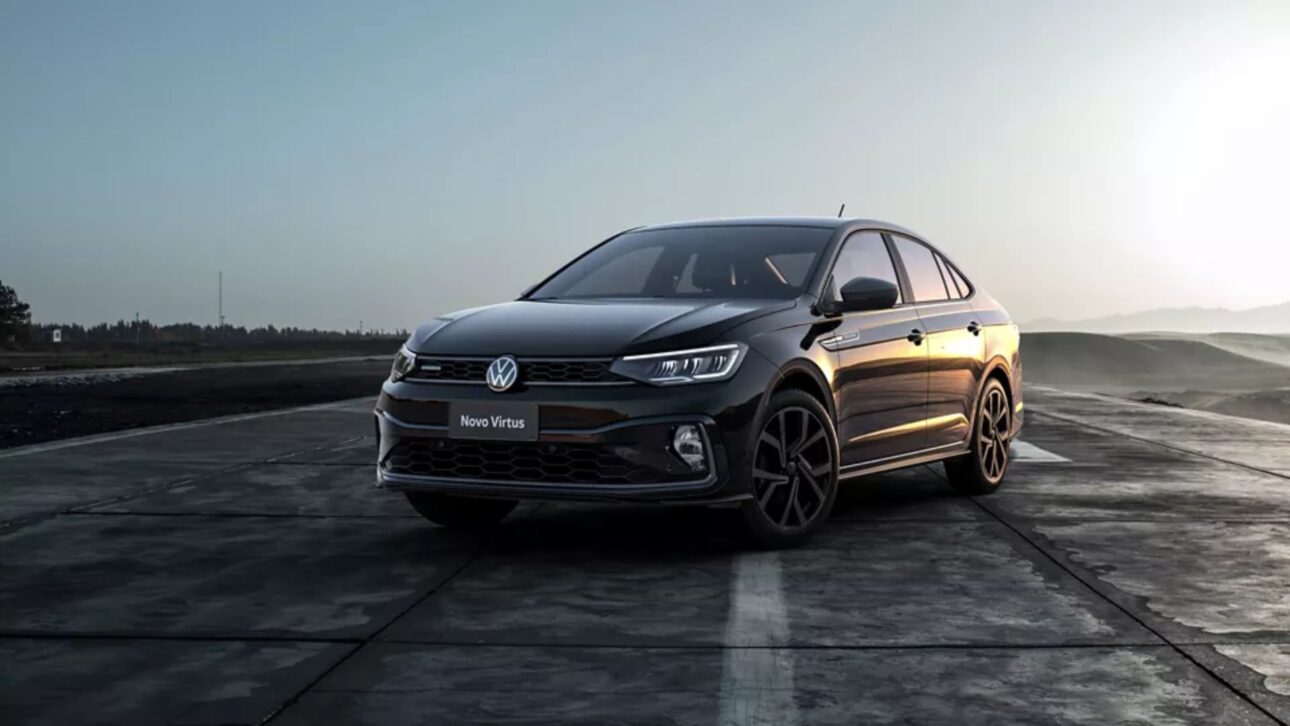
Shows the front profile of the sedan, highlighting the modern look and striking lines of the model.
Interior Finish of the Virtus Exclusive
The interior of the Virtus Exclusive reinforces Volkswagen’s attempt to reach higher segments.
The seats and parts of the panels feature synthetic leather upholstery with visible stitching, black piano details, and LED ambient lighting, elements that elevate the sense of sophistication in the cabin.
The assembly and finish are points frequently highlighted by those evaluating the model, conveying a standard above average for the segment.
Spacious Interior and Trunk
Another valued aspect is the interior space.
With a 2.65-meter wheelbase, the Virtus Exclusive comfortably accommodates three adults in the rear seat, providing good legroom and headroom.
The trunk, with a capacity of 521 liters, also stands out, making it a viable option for families or anyone needing ample luggage space for daily use or trips.
1.4 TSI Turbo Engine and Efficient Performance
Under the hood, the Virtus Exclusive retains the traditional 1.4 TSI flex, which delivers 150 hp of maximum power and 25.5 kgfm of torque.
The six-speed automatic transmission ensures smooth shifts and contributes to a comfortable driving experience in both urban and highway environments.
The performance is pleasing due to the balance between power and efficiency, allowing for quick accelerations and appropriate acceleration for the model’s proposal.
Fuel Consumption of the Virtus Exclusive
Regarding consumption, the official data from the Brazilian Vehicle Labeling Program of Inmetro indicates averages of 7.9 km/l in the city and 10.4 km/l on the highway when fueled with ethanol.
With gasoline, the figures rise to 11.6 km/l in urban areas and 14.6 km/l on highways, placing the Virtus in an intermediate position within the category.
There are competitors that present better figures, especially among hybrids and some latest-generation midsize sedans.
Standard Equipment and Technology
The Virtus Exclusive arrives at dealerships with a generous package of standard items, seeking to justify its high price range.
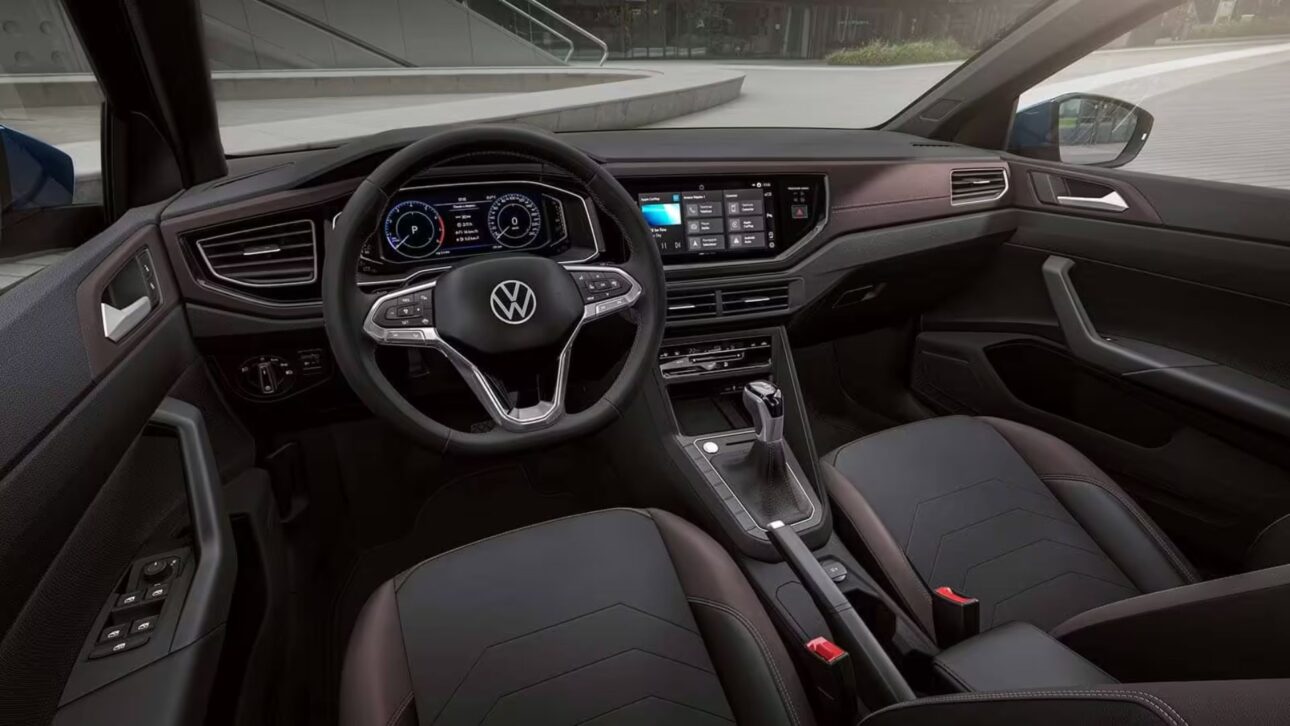
Among the main features are digital air conditioning, a fully digital instrument panel with a 10.25-inch screen, Beats sound system, wireless cell phone charger, front and rear parking sensors, in addition to six airbags, electronic stability and traction controls.
Multimedia System and Connectivity Limitations
The VW Play multimedia system, while offering a good interface and integration with smartphones, does not provide wireless connectivity for Android Auto and Apple CarPlay, a feature already present in competing models at the same price point.
Cable app mirroring may be slower and less practical in some situations, which is a point of concern for consumers who are more demanding in terms of connectivity.
Updated Look and Market Presence
The redesign of the Virtus Exclusive brought new LED headlights and taillights, a revamped front grille, uniquely designed bumpers, and 17-inch diamond-cut wheels.
These changes give the sedan a more modern and imposing appearance, capable of attracting attention wherever it goes.
The new look seeks to reinforce the Virtus’s identity as an updated vehicle against the main rivals in the segment.
Lack of Advanced Driving Assistants
Despite the advancements, Volkswagen’s sedan still lags behind some competitors in terms of onboard technology.
The Virtus Exclusive does not offer, for instance, adaptive cruise control, autonomous emergency braking, or blind-spot monitoring, features available in entry-level versions of models like Toyota Corolla and Honda Civic.
This discrepancy could be decisive for buyers who prioritize advanced safety and driving assistance systems.
High Price and Resale Value
The positioning of the Virtus Exclusive in the range of R$ 150,000 places it directly in competition with imported midsize sedans and better-equipped compact SUVs.
The high price may deter consumers who expect more technology features for their investment, in addition to opening up comparisons with hybrid or electric options available in the market.
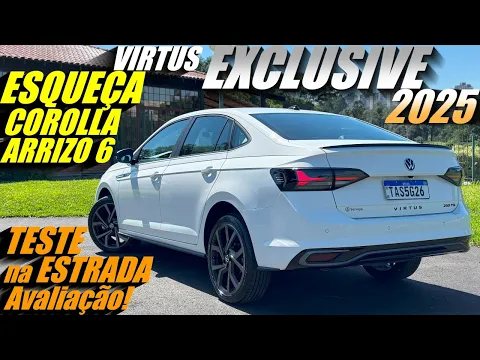

Another relevant point is the depreciation behavior. Since it is a top-of-the-line version, the Virtus Exclusive tends to lose value more quickly compared to the intermediate configurations of the same model.
For those who frequently change vehicles, this factor may negatively impact the cost-benefit over the years.
Evaluation of the Virtus Exclusive 2025: What to Consider
The Virtus Exclusive 2025 combines solid arguments for those seeking a comfortable, well-equipped national sedan with standout visuals.
On the other hand, technological limitations, high price, and the prospect of greater depreciation suggest caution for the consumer.
The balance between comfort, performance, and connectivity should be evaluated according to the priorities of each buyer profile.
Given these characteristics, would you consider investing in a top-of-the-line Virtus, or do you believe that rivals with more advanced technologies and better cost-effectiveness are more appealing?





-

6 people reacted to this.