





 Portuguese
  English
  Spanish
  3 min of reading
  0 comments


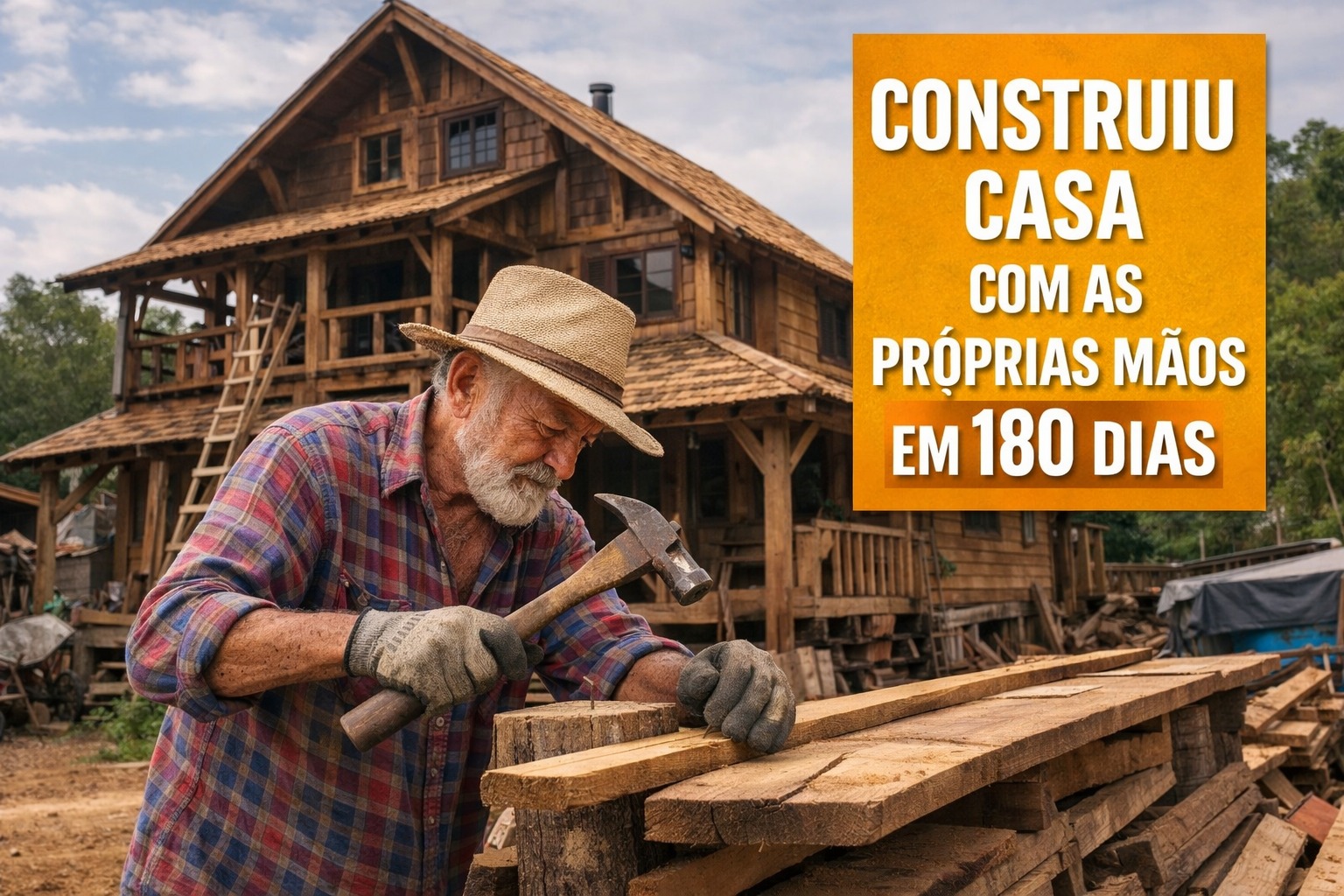
Without Help, Machines or Modern Technology, Elderly Man Raises Monumental Structure with Wood and Scrap, Documents Daily Routine and Reveals How Accumulated Experience Supported Long and Solitary Project
In a world marked by technology and shortcuts, an elderly man caught attention by building a giant wooden house alone in 180 days, documenting each step on video and showing how experience, patience, and persistence transformed an unlikely project into concrete reality.
The Decision to Build Without Help or Modern Technology
Already in his senior years, he decided to raise a huge house using basically wood and scrap, without a team, heavy machinery, or technological resources, relying solely on continuous daily work.
The choice did not arise from impulse, but from a conviction matured over time, based on the belief that constant dedication could compensate for physical and material limitations.
-
What is the ideal distance between one pillar and another? The measurement used in houses with up to 2 floors can avoid huge beams, low ceilings, and extra construction costs.

-
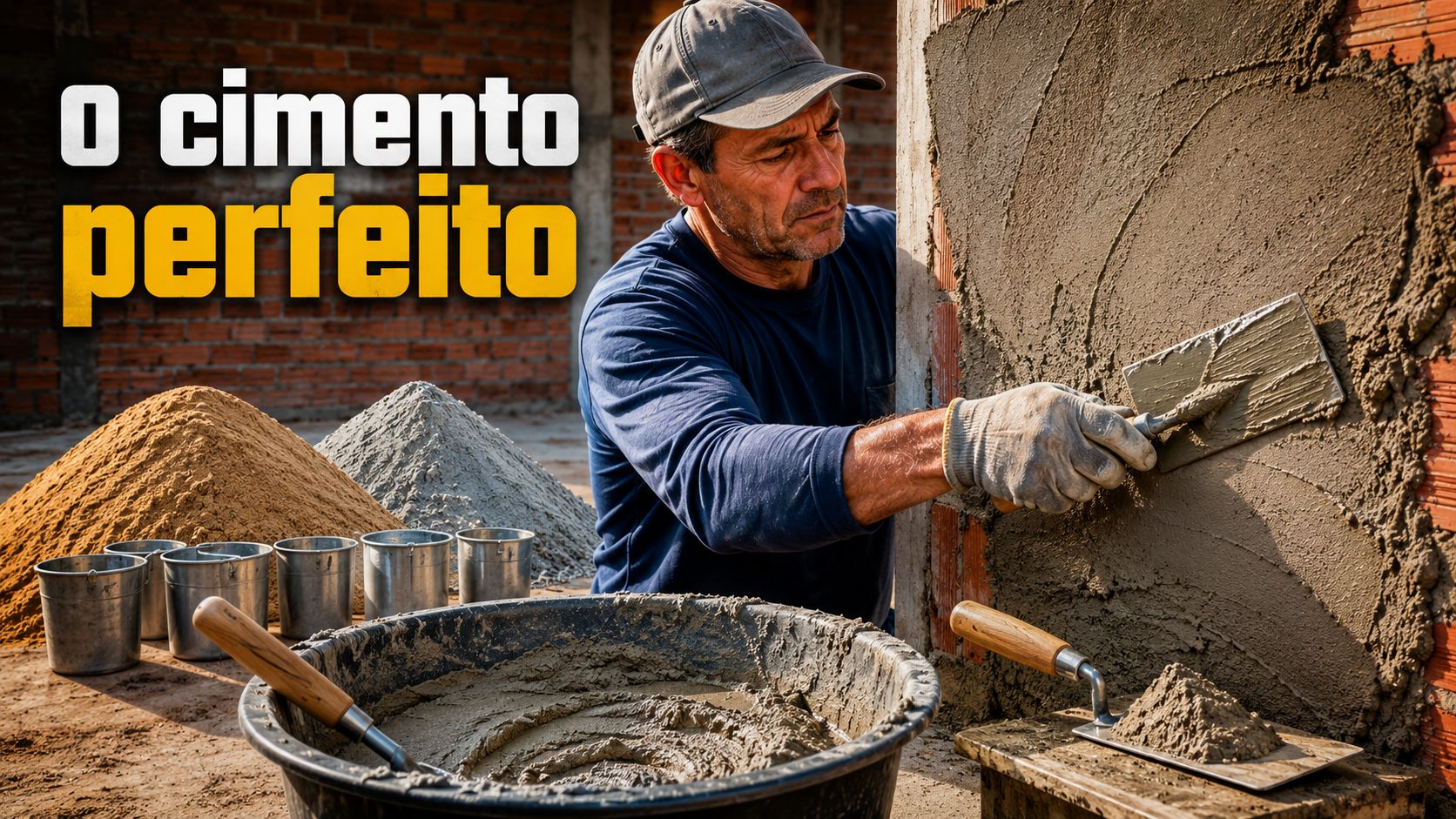
Plastering without secrets: bricklayer reveals the plaster mix that uses 5 parts sand to 1 part cement and shows how to achieve a good consistency without needing an additive.
-
Houses erected a few days ago in a preservation area in Santa Catarina are demolished by the city hall, while São José has already totaled 30 demolitions in 2026 and uses drones to contain invasions on risky slopes.

-
Almost half a century after the Kola Superdeep stopped at 12,262 meters, China announces that it will drill up to 15 kilometers and wants to be the first country to surpass the Soviet mark that has terrified geologists for 47 years.



From the start, it was clear that the project would require strict discipline, a defined routine, and the willingness to face difficulties without external support, making each advancement a personal achievement.
A Project Conducted from Start to Finish by a Single Person
He took on all the steps of construction, from soil preparation to final finishing, laying boards, raising walls, and closing the roof with constant effort.
Each day brought small visible evolutions, which, when added up over the 180 days, transformed an abstract idea into a solid and livable structure.
Without dividing tasks, he had to plan each movement in advance, avoiding mistakes that could compromise weeks of accumulated work.

What Makes the Giant Wooden House Different
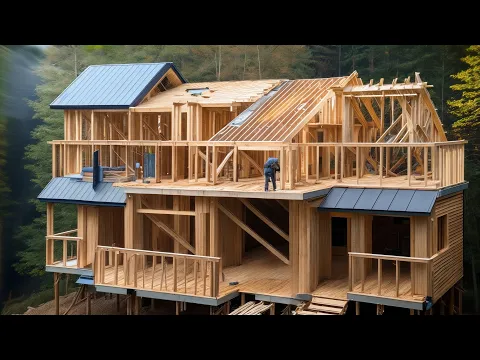
Although the size draws attention, the most curious aspect is the construction method, entirely handcrafted, based on repurposing and simple solutions thought out on-site.
Basic tools replaced modern equipment, while practical knowledge accumulated over a lifetime guided fundamental structural decisions for the house’s stability.
The creative use of scrap found around reduced costs and required constant adaptations, revealing inventiveness applied to concrete daily problems.
This combination of scale, limited resources, and individual execution sets the wooden house apart from conventional constructions seen today.
Physical and Emotional Challenges Over the 180 Days of Work
Building a huge house alone required physical endurance, as well as emotional balance to deal with fatigue, frustrations, and frequent adjustments during the process.
Unstable weather, the weight of the wood, and the need for structural corrections tested limits daily, with no possibility of delegating decisions or tasks.
Every mistake had to be resolved by the builder himself, making learning and correction unavoidable parts of the project routine.
Time management was essential to maintain a steady pace and avoid interruptions that could compromise accumulated progress.
Experience as the Main Tool for Work
Every wood joint showed that he was not a novice, but someone with years of observation, practice, and informal learning.
Without manuals or software, he relied on his own experience to measure, test solutions, and define safe structural paths throughout the construction.
This knowledge became evident in the choice of materials, weight distribution, and the speed of identifying flaws before they became bigger problems.
The house reflects a balanced mix of technique, conscious improvisation, and confidence gained over time.
Why the Story Continues to Draw Attention in 2025
In a landscape dominated by digital resources, seeing someone build a giant house almost entirely with their own hands sparks immediate curiosity.
The video record showcases patient, repetitive, and silent work, often invisible in a world accustomed to instant results.
More than just a construction, the story highlights how daily dedication can transform distant plans into something concrete and functional.
It continues to inspire those interested in manual projects, unusual constructions, and extreme challenges guided by discipline, creativity, and persistence.
With information from O Antagonista.


-

-

2 people reacted to this.