






 Portuguese
  Spanish


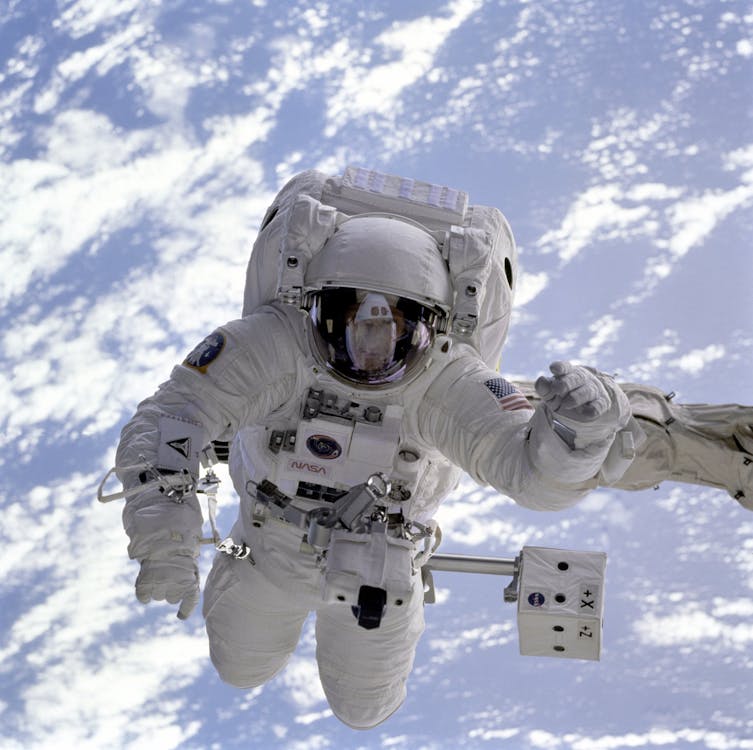


After An Unexpected Extension Of 286 Days In Space Mission, Astronauts Were Surprised Not To Receive Overtime. Instead, They Received A Subsidy Of Only US$ 5 Per Day To Cover “Incidents,” Raising Questions About The Valuation Of These Professionals
When Suni Williams and Butch Wilmore went to space last June, they expected an eight-day test flight aboard Boeing’s Starliner capsule. But the mission took a different turn. Technical problems delayed the return of the astronauts, who spent 286 days orbiting the Earth. Last Tuesday, they finally returned, landing in the Gulf of Mexico.
The extra time in space was unplanned but brought an unexpected curiosity: the astronauts’ income did not change. As federal employees on official duty, Williams and Wilmore did not receive extra pay for the extended period.
No Overtime, No Bonus
NASA astronauts are public employees on business trips. According to Jimi Russell, spokesperson for NASA’s Office of Space Operations, this means they are not entitled to overtime, hazard pay, or vacation pay.
-
China Develops Custom 140-Ton Electric Mining Truck with 770 kWh Swappable Battery, Deploys 290 Units in Xinjiang’s Largest Zinc Mine

-
Meta to Launch Arena, a New Prediction App Targeting 3.56 Billion Users, Competing with Polymarket and Kalshi

-
Scientist Challenges Famous Human Evolution Theory, Argues Homo Sapiens Evolved Gradually Over Thousands of Years
-
15-Year-Old American Builds Ocean Generator with PVC Pipe and 3D-Printed Propeller for $12, Wins National Prize, Presents at White House, and Makes Forbes 30 Under 30 List




“While they are in space, NASA astronauts are on official travel orders as federal employees“, Russell stated.
The only additional compensation was a daily subsidy of US$ 5 for unexpected expenses. The amount follows the standard set by the U.S. General Services Administration, which covers fees and tips for porters, hotel staff, and the like.
In total, the two astronauts received only US$ 1,430 extra for the additional 286 days in space. This is in addition to the standard annual salary of US$ 152,258.
Risks And Responsibility, But No Salary Increase
The career of an astronaut involves high risks, intensive training, and long periods away from family. However, the salary structure does not reflect these challenges. Mike Massimino, a former astronaut and veteran of two Space Shuttle missions, questions the situation: “There is no hazard pay, no overtime, no time compensation. There is no financial incentive to stay in space longer“.
Despite this, Williams and Wilmore did not show dissatisfaction. During an interview in September, Williams stated: “This is my happy place. I love being here in space. It’s just fun, you know?”
Wilmore also dismissed the idea that they were “stuck” or “abandoned”. In February, he responded to comments about the mission delay: “We don’t feel abandoned, we don’t feel stuck, we don’t feel trapped.”
The Spirit Of The Astronaut Mission
The head of NASA’s space operations mission, Ken Bowersox, who has also been an astronaut, explained that this consideration is part of the profession: “Every astronaut who is launched into space, we teach them not to think about when you are coming home. Think about how well your mission is going and, if you are lucky, you can stay longer.“
During the additional 286 days, Williams and Wilmore did not remain idle. They conducted scientific research, operated equipment, and performed maintenance on the International Space Station.
Wilmore helped set up a new decompression chamber. Williams, in turn, tested athletic performance in zero gravity.
Furthermore, she made an important record: she accumulated 62 hours and 6 minutes of space travel, becoming the female astronaut with the most time outside the ISS. The previous record belongs to Peggy Whitson.
Modest Compensation, But Passion For The Profession
For astronauts, the passion for space seems to outweigh financial concerns. Clayton Anderson, who spent 152 days on the space station in 2007, commented on social media about the salary reality of the profession: “Being an astronaut was amazing and my dream job, but it is a government job with government pay.”
During his mission, the daily subsidy for incidental expenses was only US$ 1.20, which gave him an extra of just US$ 172.
Even without additional financial incentives, the opportunity to see Earth from space and conduct experiments continues to attract those who dream of becoming astronauts. But few would disagree if NASA decided to review this policy and offer fairer compensation for those spending months in space.
With information from ZME Science.





