






 Portuguese
  Spanish


SpaceX Plans To Launch The Starship This Sunday, A Rocket Designed To Go To The Moon And Mars. The 123-Meter Mega Rocket Is NASA’s Bet For The Artemis 3 Mission, But It Faces A History Of Failures In Recent Tests.
SpaceX plans to launch the Starship this Sunday, a rocket designed to go to the Moon and Mars, in a flight considered crucial for the future of space exploration. The launch is scheduled to take place between 8:30 PM and 9:30 PM (Brasília time), directly from the Starbase base in Texas, and will be the tenth test of the vehicle — following three consecutive attempts that ended in failures.
The company founded by Elon Muskclaims to have fixed problems that resulted in explosions and loss of control in previous flights. The expectation is that this test will last about an hour and include the launch of prototypes of the next generation of Starlink satellites, as well as the recovery of the booster and the spacecraft at sea. For NASA, the success of the test is vital, as the Starship is a central part of the Artemis 3 mission, scheduled to take humans back to the lunar surface in 2027.
How The Starship Rocket Works
The Starship is the largest and most powerful rocket ever built, standing at 123 meters tall and divided into two stages: the Super Heavy booster and the Starship spacecraft, which together give the system its name. The goal is to make it fully reusable, reducing launch costs and enabling more ambitious missions.
-
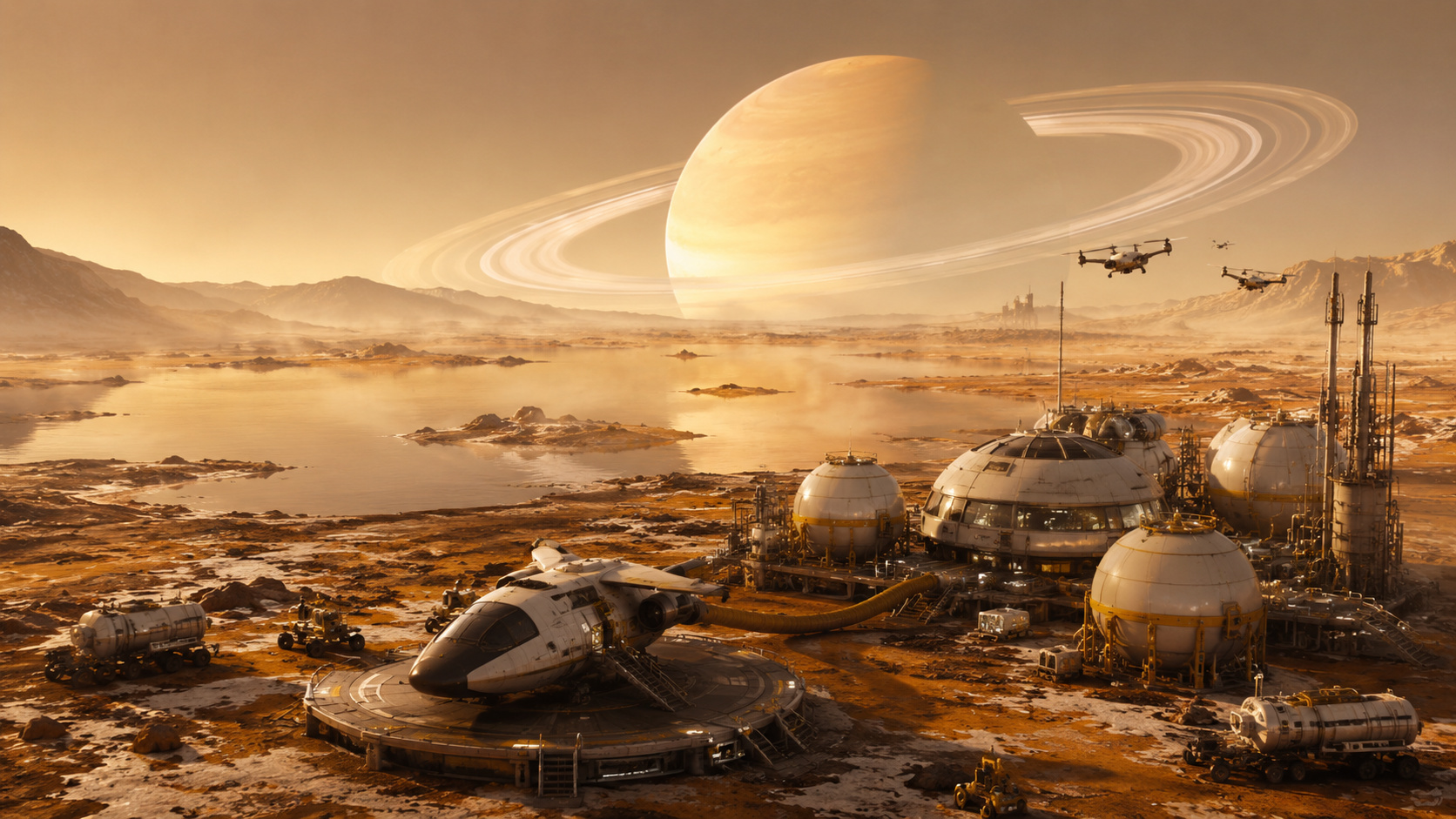
Methane, natural fuel lakes, ice, and a nitrogen-rich atmosphere make Titan central to NASA’s plans for the first “space fuel station” to speed up missions beyond Mars.

-
16-Year-Old Kentucky Student Solves Long-Standing Biomedical Challenge, Wins Top Young Scientist Award at $9 Million Science Fair
-
Teen Invents Biodegradable Material from Shrimp Shells That Decomposes 1.5 Million Times Faster Than Regular Plastic
-
Scientists Develop Diving Suit for Cyborg Cockroaches to Survive Underwater for 3 Hours, Navigate Flooded Tunnels, and Aid in Disaster Rescue Missions, with Potential for Mars Exploration



The spacecraft was designed for multiple purposes: satellite transport, interplanetary travel, and even crewed missions to Mars. Musk has stated that he intends to send a humanoid robot Optimus, from Tesla, on a mission to the red planet by 2026, with the possibility of sending humans in 2029.
History Of Failures And Adjustments At SpaceX
The recent tests revealed the complexity of the project. In June 2025, the second stage exploded during a static test due to a failure in a nitrogen container. Previously, in May, the booster failed to land in the sea, and the spacecraft lost control, plunging into the ocean.
For the new test, the company reported that it redesigned pressurization systems and implemented additional inspections. The goal is to avoid overloads and instabilities that marked previous tests. Musk emphasized that each failure provides crucial data to improve the vehicle.
Strategic Importance For NASA And Mars
The success of the rocket designed to go to the Moon and Mars is of interest not only to SpaceX. The NASA relies on the Starship to achieve the landing of Artemis 3, the first crewed mission to the Moon in the 21st century. Furthermore, the American space agency considers the vehicle essential for expanding its presence in deep space.
In the long term, SpaceX aims for the Starship to be the centerpiece of its vision for colonizing Mars, transporting large payloads and dozens of passengers on regular flights. This ambition, if realized, could redefine the future of space exploration and the aerospace industry.
This Sunday’s test will be a watershed moment: it could mark a turning point for the Starship toward reliability or reinforce doubts about the project’s viability. With NASA tying its lunar program to SpaceX’s rocket, the outcome will have a direct impact on the next decades of the space race.
And you, do you believe that the Starship will overcome the failures and fulfill its mission of taking humans to the Moon and, in the future, to Mars? Leave your opinion in the comments.






Que afunde, no gigantesco mar de egocentrismo americano.
Para socorrer à quem passa fome no mundo, esse tralha não tem dinheiro.
Os dois únicos americanos que merecem algum respeito são Bill Gates e Warren Buffet.