Portuguese
  Spanish


The Bahia Emerald crossed borders, moved American courts, and transformed a rare stone into a symbol of heritage, mineral wealth, and international legal conflict
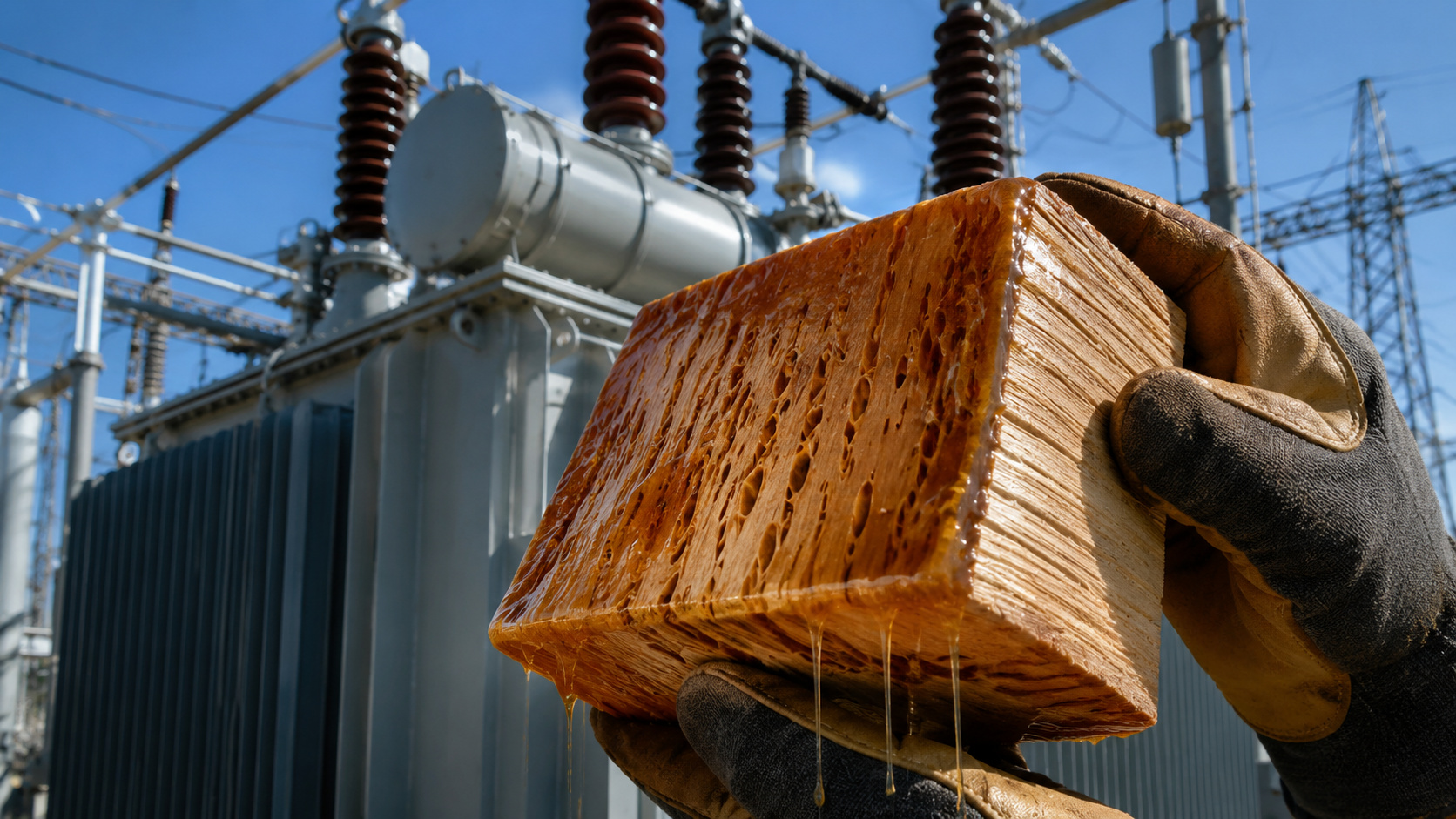
A rock extracted from the interior of Bahia became one of the most curious mineral disputes involving Brazil and the United States. The so-called Bahia Emerald was extracted in 2001, in the Pindobaçu region, in northern Bahia, and spent years at the center of a legal battle marked by possession, irregular export, and claims of national heritage. The piece is described as a beryl block with emerald crystals and weighs about 360 kg to 380 kg, also recorded in international publications as 836 or 840 pounds.
Legal dispute pitted Brazil and the United States against each other
The controversy gained strength because the stone was not just a rare gem. Brazil argued that the Bahia Emerald left the country irregularly, with false documentation, which turned the case into a discussion about mineral sovereignty and heritage repatriation. On the other side, private groups and businessmen claimed ownership rights over the piece in the United States. In 2024, a decision by the American justice system recognized Brazil’s right to the return of the rock and paved the way for its repatriation.
The trajectory of the Bahia Emerald broadened the international conflict
The story began in a mining area in Bahia and took on international contours after the stone left Brazil. In the United States, the Bahia Emerald passed through different hands, vaults, and private possession disputes. At one point, it was held in custody by Los Angeles authorities, while several interested parties tried to prove some right to it. This history of versions, contracts, and claims helped prolong the legal battle for years.
-
U.S. Invests $75 Million in Projects to Extract Rare Earths, Gallium, Germanium, and Aluminum from Coal Waste

-
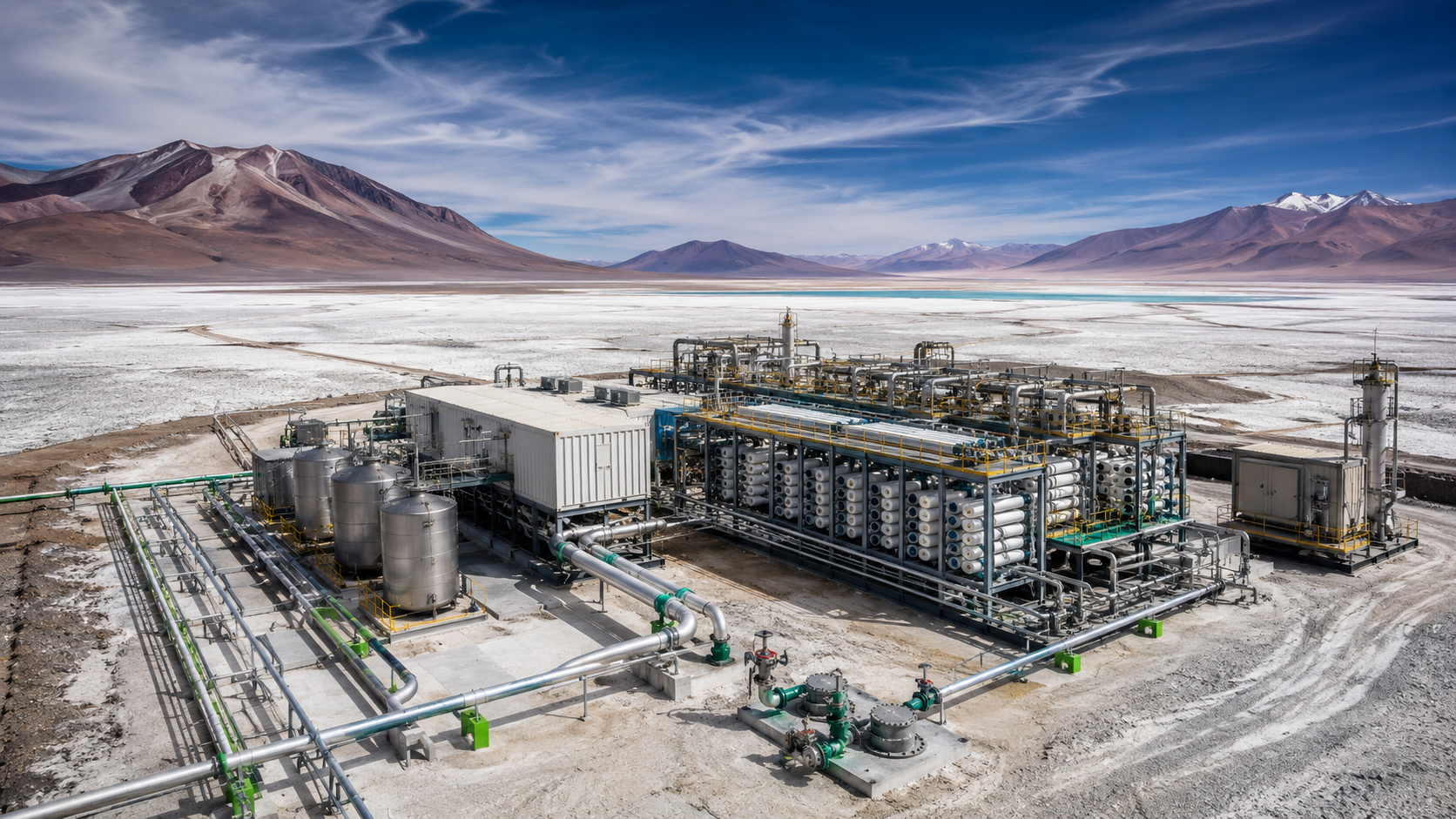
Eni Acquires 25% Stake in Chilean Lithium Project, Plans to Invest Up to $225 Million in Eco-Friendly Extraction Method
-
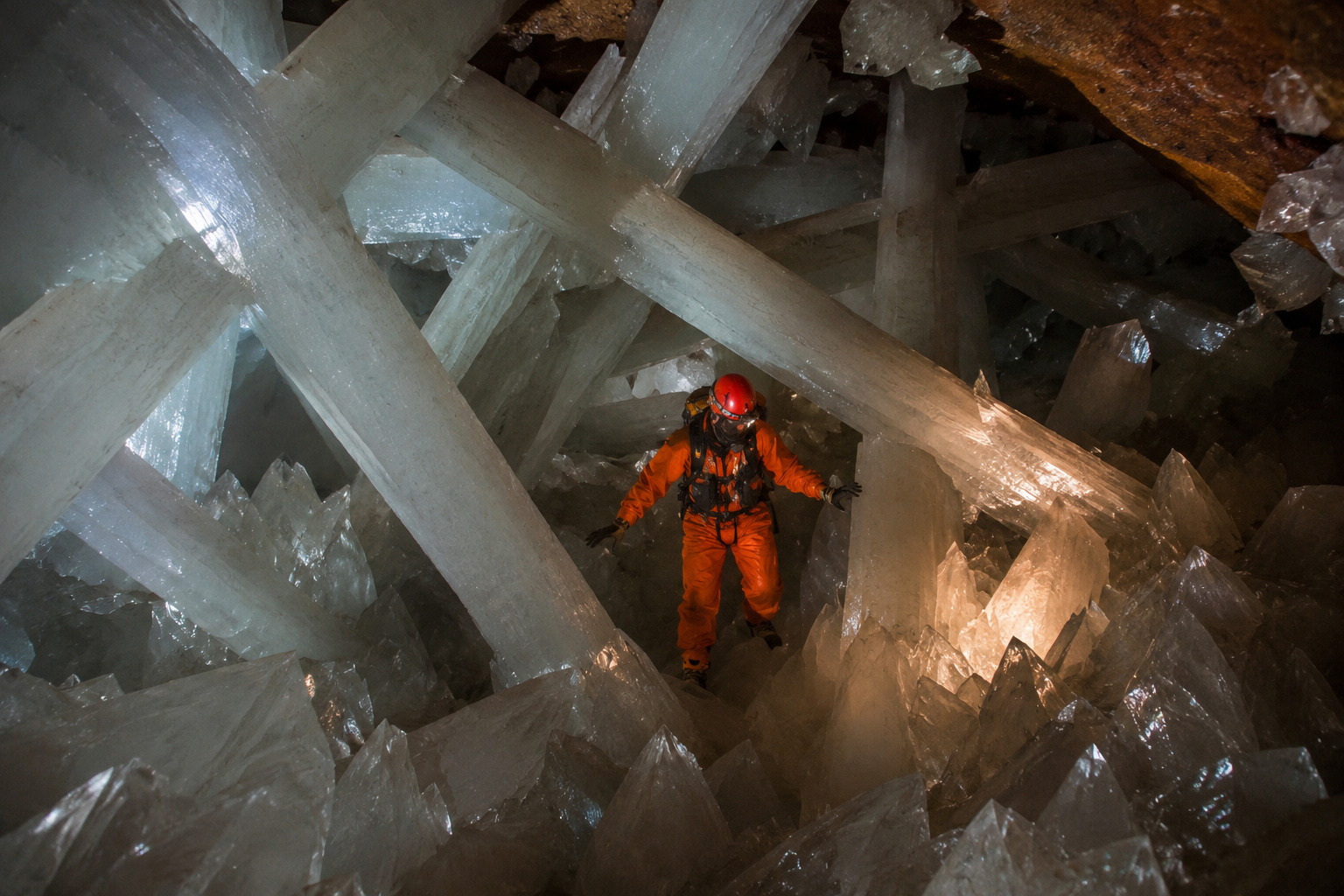
Mexico’s Giant Crystal Cave: A Deadly 58°C Underground Palace with 11-Meter Crystals Formed Over Nearly a Million Years

-
China Dominates Over 90% of Rare Earth Refining, Prompting Global Concerns: Canada and Japan Launch Billion-Dollar Plan to Reduce Dependency and Safeguard Batteries, Semiconductors, and Defense


High value and rarity transformed the stone into a symbol of heritage
The exceptional size of the Bahia Emerald made the piece difficult to compare with other precious stones. Its raw condition also complicated its commercial valuation, as the value does not depend solely on weight. Estimates released by the press ranged from hundreds of millions of dollars to values close to US$1 billion. Therefore, the rock came to be seen both as a rare, high-value asset and as a mineral heritage of historical importance.
Case reignites debate on mineral wealth and sovereignty
The Bahia Emerald shows how a precious stone can transcend the luxury market and reach a diplomatic dimension. When a mineral asset leaves the country without proper authorization, the discussion involves laws, borders, international cooperation, and responsibility for natural resources. In the end, the rock ceased to be just a valuable gem and became a symbol of memory, territory, and power.