






 Portuguese
  Spanish


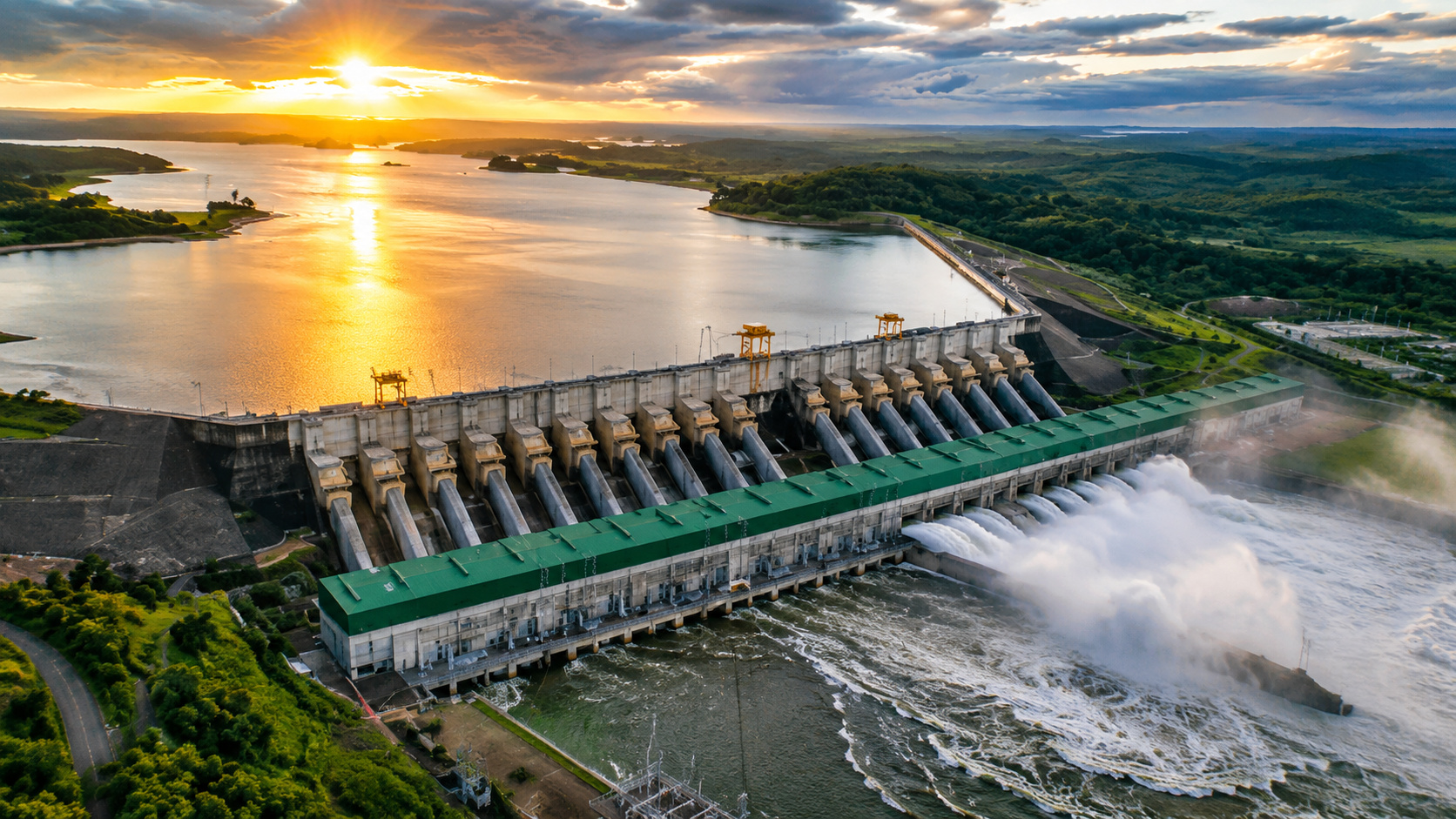


Belo Monte completes 10 years amidst advances in Brazil’s energy, impacts on the Xingu, environmental disputes, and lawsuits involving the hydroelectric plant.
The Belo Monte plant completed 10 years of operation this Tuesday (5), consolidated as one of the largest energy ventures in the country’s history. Located on the Xingu river, in Pará, the hydroelectric plant has come to play a strategic role in Brazil’s energy supply, meeting up to 16% of national demand during peak hours, according to Norte Energia.
While becoming a symbol of Brazil’s energy expansion, the plant has also become a permanent target of criticism related to environmental impacts, changes in the way of life of traditional communities, and various lawsuits in Brazilian and international courts. The undertaking remains surrounded by debates involving economic development, environmental preservation, and indigenous rights.
The operation of the first turbine began on May 5, 2016. At the time, Belo Monte operated with fewer than five turbines and an initial capacity of 611 megawatts (MW). Currently, the structure has 18 turbines in operation and has already generated over 255,193,675 megawatt-hours (MWh) over the last decade.
-
Brazilian Energy Auction Secures $4.6 Billion in Projects to Enhance Power Grid and Prevent System Bottlenecks, Achieving an Average Discount of 51.58%

-
Gas-powered generator reignites emergency energy debate in Brazil, offering night and rain operation without open roof, as solar with battery can exceed $7,500 installed.

-
Itaipu Dam Stuns Visitors with First Spillway Opening in 2026, Showcasing the Power of Water Once Again
-
USP researcher creates thesis to attract international funds for the country’s electric energy sector
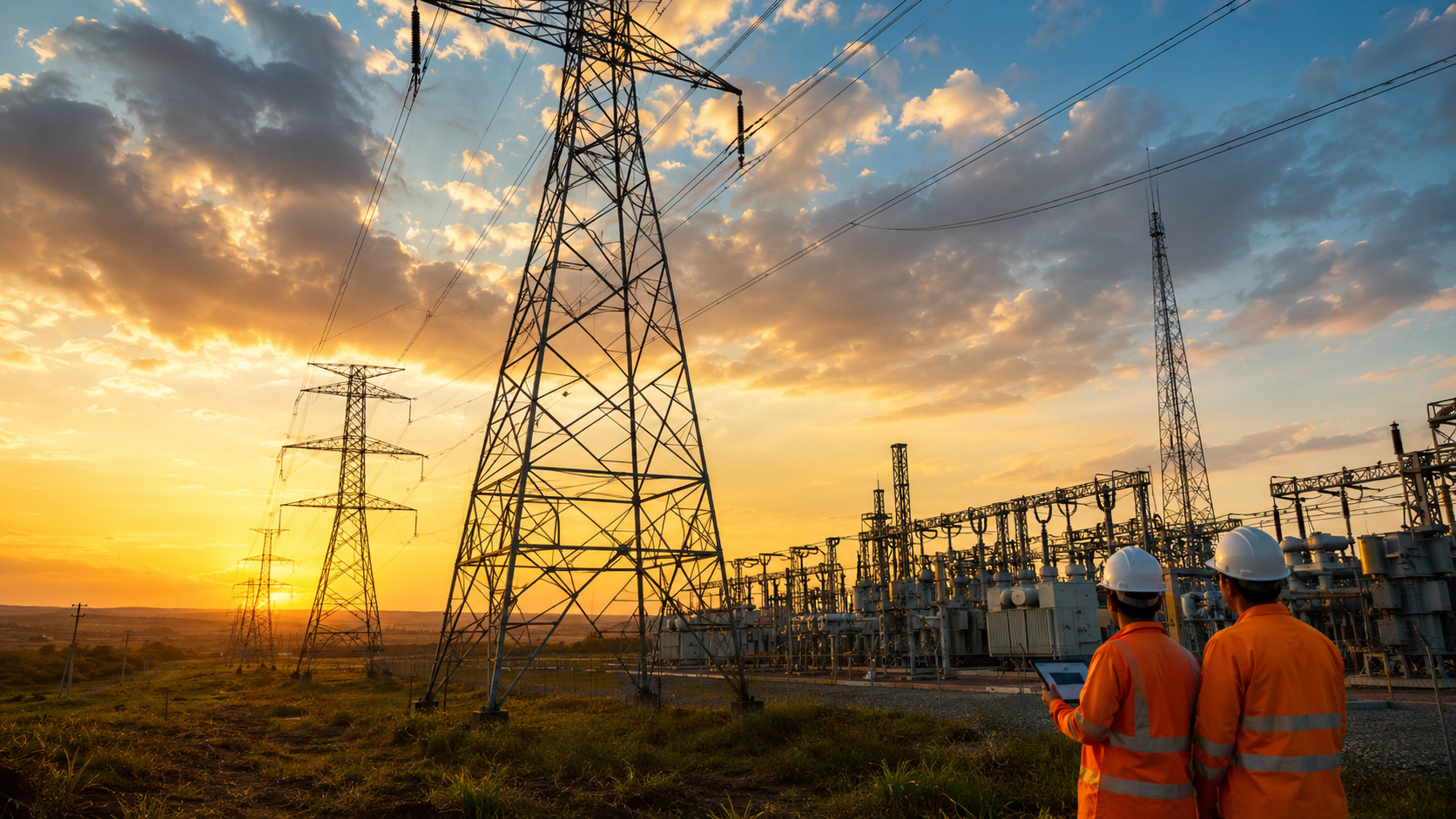



According to the concessionaire, the plant’s accumulated production would be enough to supply all of Brazil for five months. On average, Belo Monte accounts for approximately 5% of the country’s annual electricity demand.
How Belo Monte became a strategic piece for Brazil’s energy
Since the beginning of its construction, the proposal for Belo Monte was to strengthen the national electrical system and expand the country’s energy security. Brazil has an electricity matrix heavily dependent on hydroelectric plants, which transformed the Xingu plant into a project considered strategic for Brazilian economic growth.
In addition to its installed capacity, Belo Monte gained relevance by reducing the need to activate thermoelectric plants during certain periods. This helps lower operational costs of the electrical system and reduces part of the pollutant emissions linked to thermal generation.
Among the main figures released by Norte Energia are:
- 18 turbines currently in operation;
- Over 255 million MWh generated in 10 years;
- Meeting up to 16% of national demand during peak hours;
- Annual average of approximately 5% of the country’s electricity demand;
- Reservoir with about 478 km².
Even with its economic and energy importance, the project never ceased to generate controversy. Since the construction period, specialists warned about the environmental and social risks caused by the diversion of the Xingu river.


Hydroelectric plant on the Xingu broadened debates on environmental impacts in the Amazon
The environmental impacts caused by the hydroelectric plant continue to be one of the most discussed topics when it comes to Belo Monte. The main point of concern involves the alteration of the natural flow of the Xingu river, especially in the region known as Volta Grande do Xingu.
According to specialists and environmental organizations, about 80% of the river’s natural course has come under the control of the plant’s operation. This directly altered water behavior, affecting fish species, flooded areas, and the ecological balance of the region.
The legal coordinator of the Human Rights Program at the Interamerican Association for Environmental Defense (Aida), Marcella Torres, states that the impacts currently observed confirm concerns raised during the plant’s construction. Among the main problems identified are changes in the river’s flow and the effects on local biodiversity.
Another point frequently cited by researchers involves the so-called hydrograph, a mechanism used to define how much water remains in the river and how much will be directed towards energy generation. Environmentalists state that this artificial control directly interferes with the natural cycles of the Xingu.
In addition to the environmental alteration, periods of extreme drought have also worsened the situation in recent years. In 2024, satellite images showed visible differences in the river’s level during the dry season.

Indigenous communities and fishermen report profound changes after Belo Monte
The social impacts associated with Belo Monte primarily affect indigenous peoples, artisanal fishermen, and riverside communities living along the Xingu river. For these populations, the river represents not only a source of income but also a central part of their culture and local survival.
Chief Gilliard Juruna, a leader from Muratu Village, in the Paquiçamba Indigenous Land, reported that several fish species stopped reproducing adequately after the river was dammed. According to him, constant changes in water levels harm the spawning process and directly affect fishing in the region.
Residents state that before the construction of the hydroelectric plant, there was a greater abundance of fish and game. Since the start of operations, local communities have voluntarily monitored environmental impacts and demanded reparations.
Among the most cited problems by affected populations are:
- Reduction in fish quantity;
- Changes in species reproduction cycle;
- Difficulty in river navigation;
- Changes in water supply;
- Pending socio-environmental compensations.
Indigenous leaders also state that part of the environmental conditions foreseen during licensing has not yet been completed.
Lawsuits involving Belo Monte remain without definitive solution
Disputes involving Belo Monte have crossed Brazilian borders and reached international organizations. The undertaking is the target of different lawsuits related to environmental impacts, indigenous rights, and alleged failures in complying with environmental conditions.
The case was brought before the Inter-American Commission on Human Rights back in 2011, even before the plant began operating. Environmental organizations and indigenous representatives argued that the environmental and social risks were already evident at that time.
According to Marcella Torres, the international process has different characteristics from the lawsuits filed in Brazil by the Federal Public Ministry and other public bodies. Among the requests presented in the national lawsuits are improvements in access to potable water, internet, and basic services for affected families.
Gilson Curuaia, a counselor for the Coordination of Indigenous Organizations of the Brazilian Amazon (Coiab), also states that several obligations assumed during environmental licensing still remain pending.
According to him, structures planned for territorial protection and oversight in indigenous areas, such as Rio das Pedras, Transiriri, and Ituna Itatá, were never fully delivered. While the processes remain under analysis, residents and civil entities continue to press for environmental and social reparations.
Norte Energia says hydroelectric plant maintains socio-environmental commitments
Norte Energia states that it continues to fulfill the obligations foreseen in the environmental licensing of Belo Monte. According to the company, the hydroelectric plant‘s Operating License has 71 socio-environmental conditions.
Of this total:
- 42 obligations would have already been met;
- 29 would still be in progress;
- 18 are continuous until the end of the concession.
The concessionaire states that it maintains investments in hospitals, schools, health units, urban infrastructure, and reforestation programs in the Xingu region. Regarding fishing impacts, the company reports that the Integrated Fishing Plan continues to be executed with social monitoring actions and technical assistance for artisanal fishermen.
Norte Energia also states that environmental studies identified more than 140 spawning areas in the Volta Grande do Xingu, indicating the region’s ecological adaptation capacity. Another data point presented by the company indicates that the average fish consumption in the Xingu would be 280% higher than the World Health Organization’s recommendation.

Belo Monte’s legacy still divides opinions in Brazil
Ten years after the start of commercial operation, Belo Monte continues to represent one of the biggest symbols of the contradictions involving development and environmental preservation in the country.
For the energy sector, the hydroelectric plant has become fundamental to ensuring stability in Brazil’s energy supply. For environmentalists, researchers, and traditional communities, however, the environmental and social impacts still leave deep marks on the Xingu region.
The project has also become an international reference in debates about large infrastructure works in the Amazon. While the country seeks to expand energy generation, pressure is simultaneously growing for models that reconcile economic growth, environmental protection, and respect for indigenous rights.
The various ongoing legal actions show that the debate about Belo Monte remains far from a consensus. Even after a decade of operation, the plant continues to be at the center of discussions about Brazil’s energy and environmental future.
With information from G1


