






 Portuguese
  Spanish
  5 min of reading
  3 comments


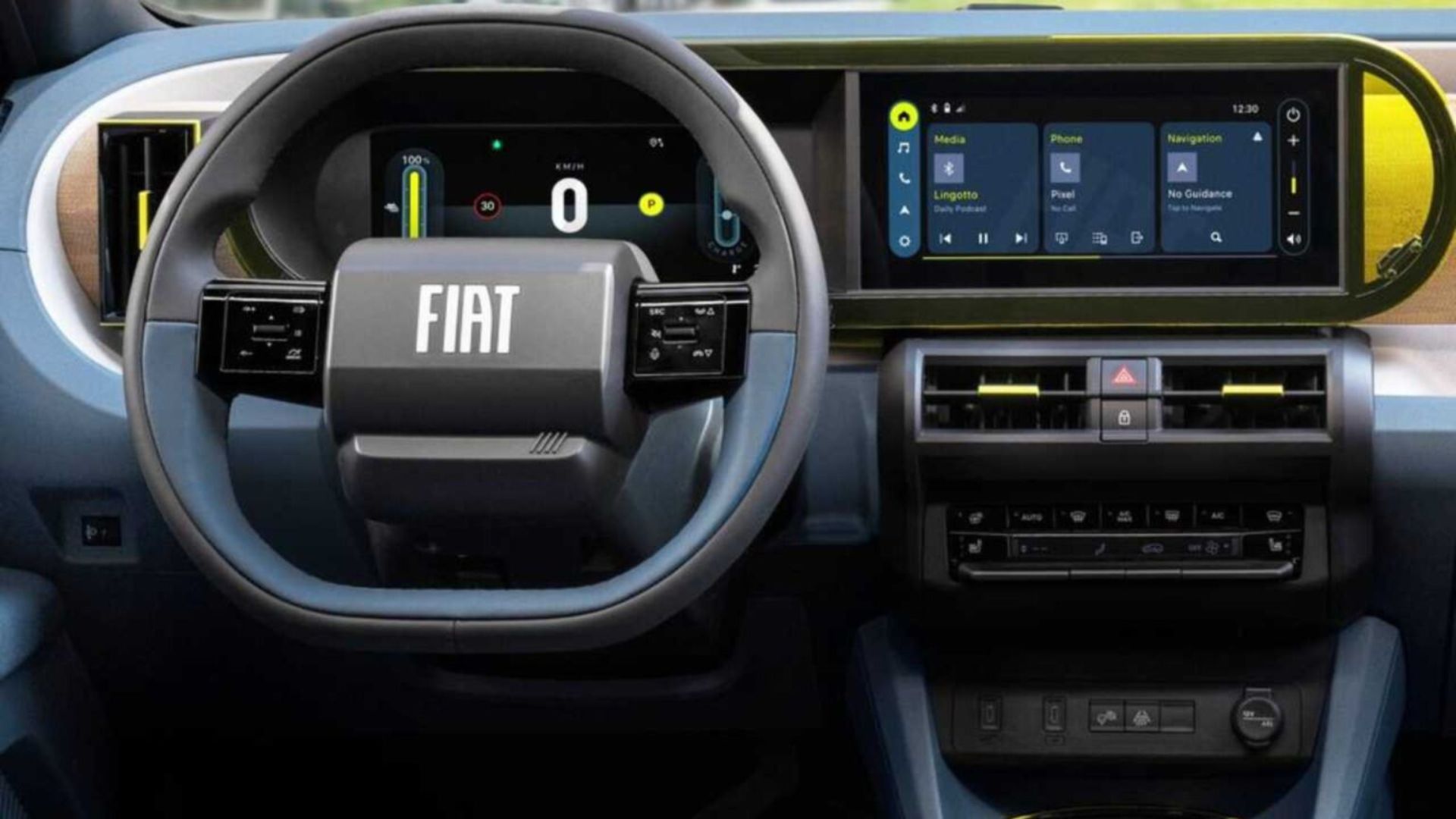


New Fiat Crossover Will Be Based on the European Grand Panda and Will Have a 1.0 Turbo Engine, CVT Transmission, and Renewed Interior with a Sophisticated Dashboard, Signaling the Transition That Will Completely Replace Mobi and Argo in the Brazilian Market.
The new Fiat crossover, derived from the European Grand Panda, is expected to initiate the renewal of the lineup in Brazil starting next cycle and take on the role currently occupied by Mobi and Argo.
According to the website Autos Segredos, the project anticipates 1.0 Firefly aspirated and 1.0 turbo with 125 hp and 20.4 kgfm options, featuring CVT transmission, along with a redesigned interior with a more sophisticated dashboard and panoramic screen.
The plan includes a transition where the current Argo generation remains for a period as a more accessible alternative.
-
Uber Faces Shareholder Scrutiny as Board Accused of Ignoring Safety, Compliance, and Harassment Warnings Amid Over 3,500 U.S. Lawsuits

-
Ferrari’s First Electric Car Divides Fans, Priced at $630,000, Amid Concerns Over Limited Editions; Brand Clarifies It’s Not Just for Future Perks
-
BYD Dolphin Mini: The Electric Car That Defies Depreciation, Losing Only 3.58% in a Year and Becoming the Best-Selling Retail Model Under $22,000

-
Electric Car JAC E-JS4 Loses $19,000 in Value in One Year, Leading Record Depreciation of Used Cars in Brazil Due to Expensive Battery and New Models


Market Strategy
The strategy is not new in the national market. At different times, Fiat itself has sustained two products in the same segment, as occurred with Palio and Uno in previous years.
Other brands have made similar moves.
Volkswagen has maintained two generations of the Gol in stores simultaneously, preserving volume while presenting the successor.
The logic now repeats itself to accommodate the new crossover and organize the phasing out of Mobi.
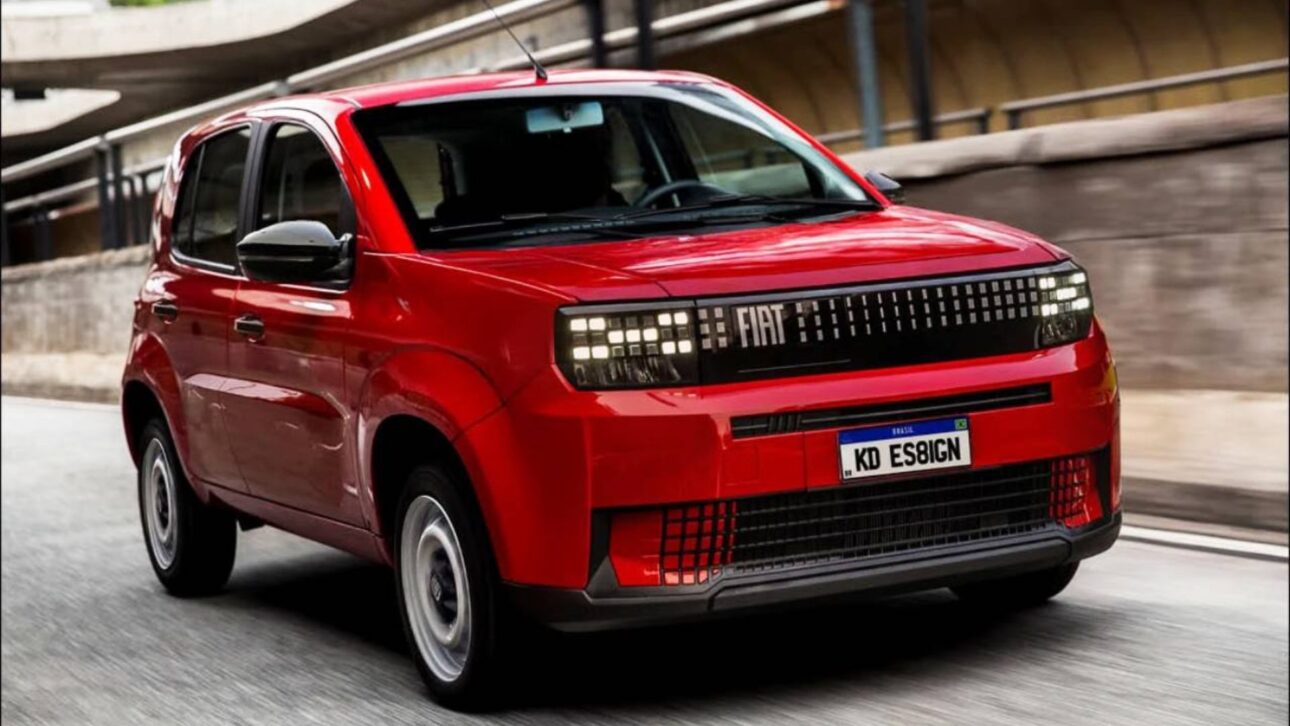
Adaptation of the Grand Panda to Brazil
According to Autos Segredos, the Brazilian development starts from the Grand Panda and undergoes adaptations to reduce costs and adjust the content.
Among the expected adjustments are less elaborate headlights than the “pixelated” ones of the European model and the elimination of the embossed name on the door trims, which should be smooth.
The local naming is not yet definitive.
For now, the most likely designation is new Argo, replacing the current family.
The publication indicates a launch expected in the first half of 2026, a stage marking the beginning of the migration of the compact range.
Mobi Will Be Phased Out in 2026
As the change progresses, the coexistence with the current Argo is likely to ensure Fiat’s presence in the entry-level segment for some time.
Meanwhile, the Mobi has a planned exit by the end of the first half of 2026, a move that could leave the Renault Kwid practically alone among subcompact combustion vehicles.
In parallel, the arrival of the crossover repositions the brand in the urban hatch/crossover segment, aligning the national portfolio with the language adopted in Europe.
Renovated and Technological Interior
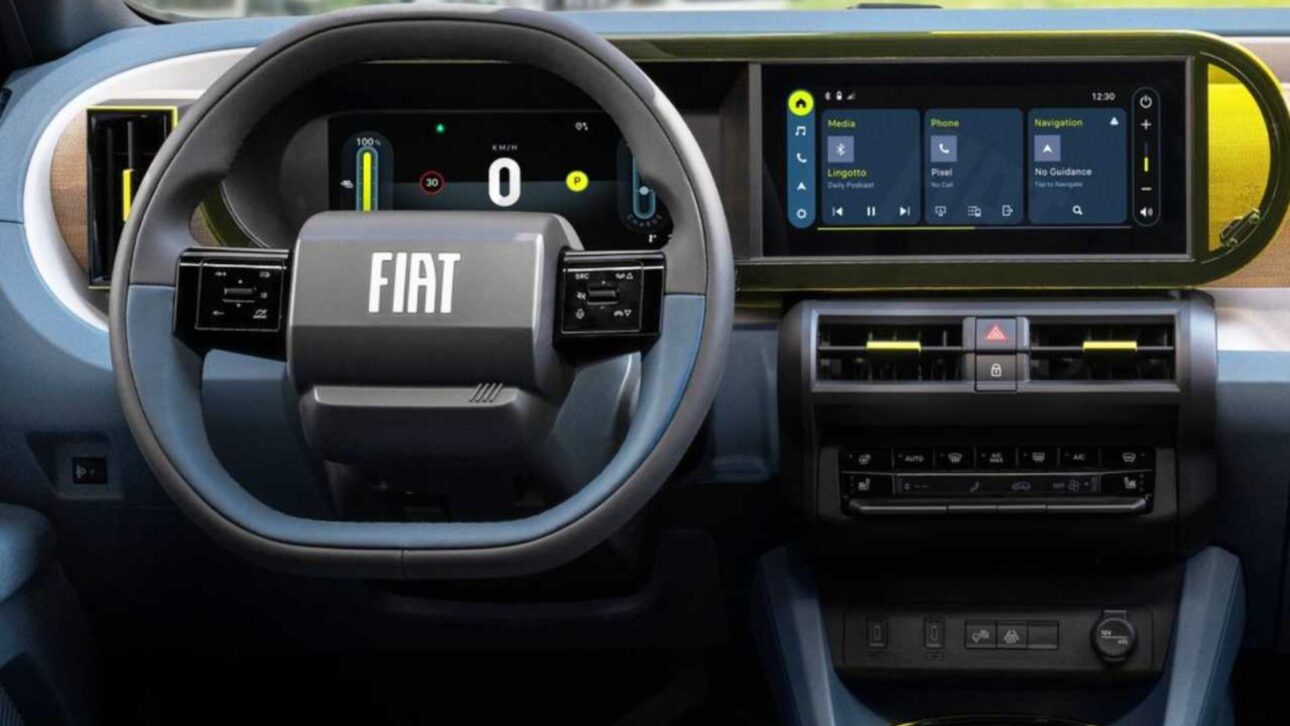
In addition to the taller body, the project bets on a remodeled interior.
The dashboard, unlike the layout seen in the current Argo, gains a more horizontal design, panoramic screen, and color accents.
There’s also an expectation of “easter eggs” in the finishing — small graphics or visual references scattered throughout the cabin — a trend that other manufacturers have been exploring to reinforce identity.
The multimedia system is expected to concentrate commands and connected functions while keeping essential physical controls for ergonomics.
Dimensions and Trunk
In external measurements, the new model follows what is known about the Grand Panda: 3.99 m in length, 1.57 m in height, 1.76 m in width, and 2.54 m in wheelbase.
The trunk capacity of 413 liters in the combustion versions represents a practical advancement over traditional compact hatches and aligns with family use.
Such dimensions also help explain the repositioning of the product, which shifts from a hatch format to an urban crossover without reaching the size of larger SUVs.
Mechanical Set
In the mechanical set, the platform houses the Firefly 1.0 family in two delivery levels.
The aspirated option has 71 hp and 10 kgfm at 3,250 rpm, focusing on consumption and simplicity in maintenance.
Above it, the turbo variation replicates the recipe seen in Pulse and Fastback, reaching 125 hp and 20.4 kgfm, combined with a CVT automatic transmission that simulates gears and aims to prioritize comfort in daily use.
The planning includes both combustion and hybrid configurations, although details of the electrified versions are not outlined at this time.
Equipment and Safety
The embedded electronics should match the new level of the car.
Even with cost simplifications compared to the European version, the expectation is to offer driving assistants in progressive packages, updated connectivity, and software updates when applicable.
Elements such as cruise control, collision warning, and automatic braking are expected to be included in higher versions, respecting the pricing strategy.
In passive safety, the structure adapted to Brazil must maintain standards to meet local testing requirements.
External Visual
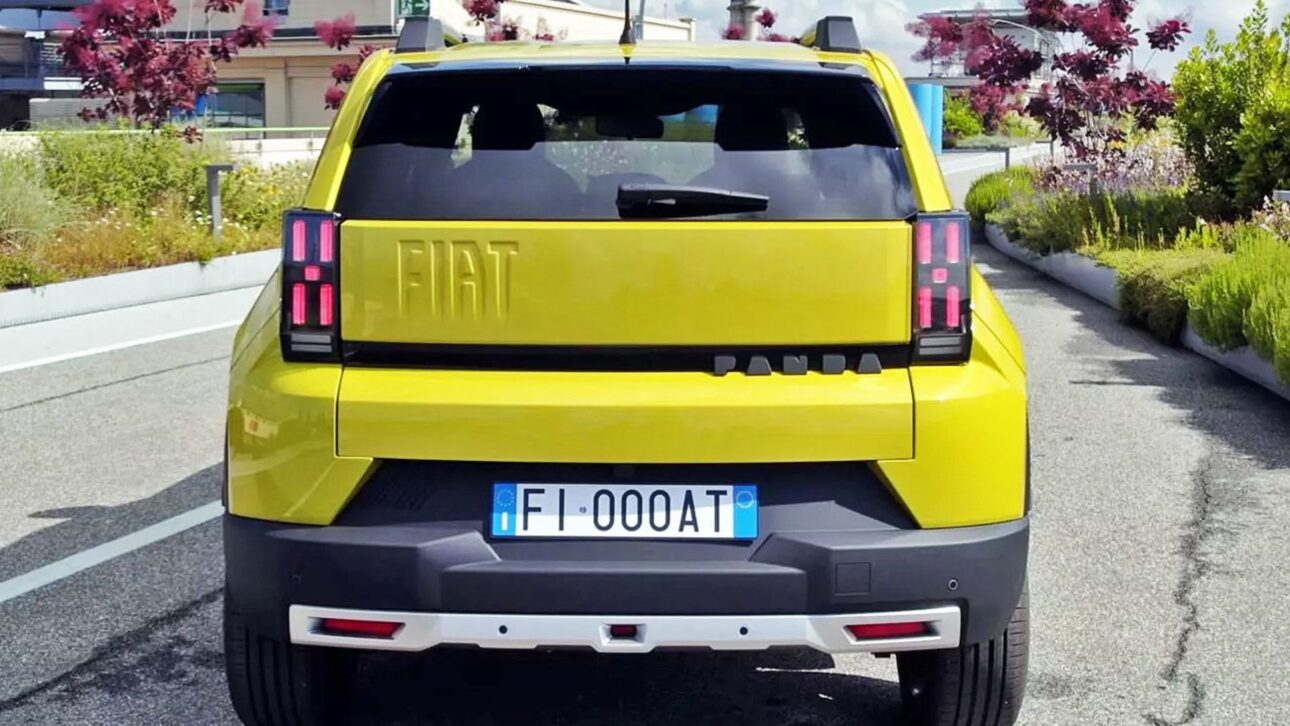
On the outside, the style follows the language of the Grand Panda, especially in the rear, and adopts trims and molds that reinforce the urban adventurous tone.
Although the taillights and headlights lose some of the “pixelated” refinement seen in Europe, the set should preserve an easy-to-identify lighting signature.
Wheels with youthful design and trims on the wheel arches complete the robust visual proposal for urban use.
Versions Strategy
The local engineering works to balance content, cost, and perceived value.
Therefore, high-impact items on the price tend to be restricted to the more expensive versions, while the entry-level ones prioritize the essentials.
In this arrangement, the CVT transmission paired with the 1.0 turbo engine aims to offer linear accelerations and lower revolutions at cruising, favoring consumption.
The aspirated configurations are expected to sustain the entry-level prices and cater to fleet operators and customers seeking simplicity.
Repositioning of the Fiat Line
In retail, coexistence with the current Argo helps smooth the transition.
With the Mobi exiting the scene throughout 2026, Fiat reorganizes the entry step and attempts to maintain scale in a price-sensitive segment.
In product, the new crossover broadens the gap in perceived modernity, especially due to the cabin with a unified dashboard, panoramic screen, and trim with touches of color.
If the name new Argo prevails, the nomenclature facilitates communication with the audience that already recognizes the name, even with distinct architecture and proposition.





Os saudosistas vão chorar se esse carro não se chamar Uno.
Faltou adicionar o valor previsto no Brasil
Verdade! Pode acrescentar uns 20k a mais…