






 Portuguese
  Spanish
  4 min of reading
  2 comments


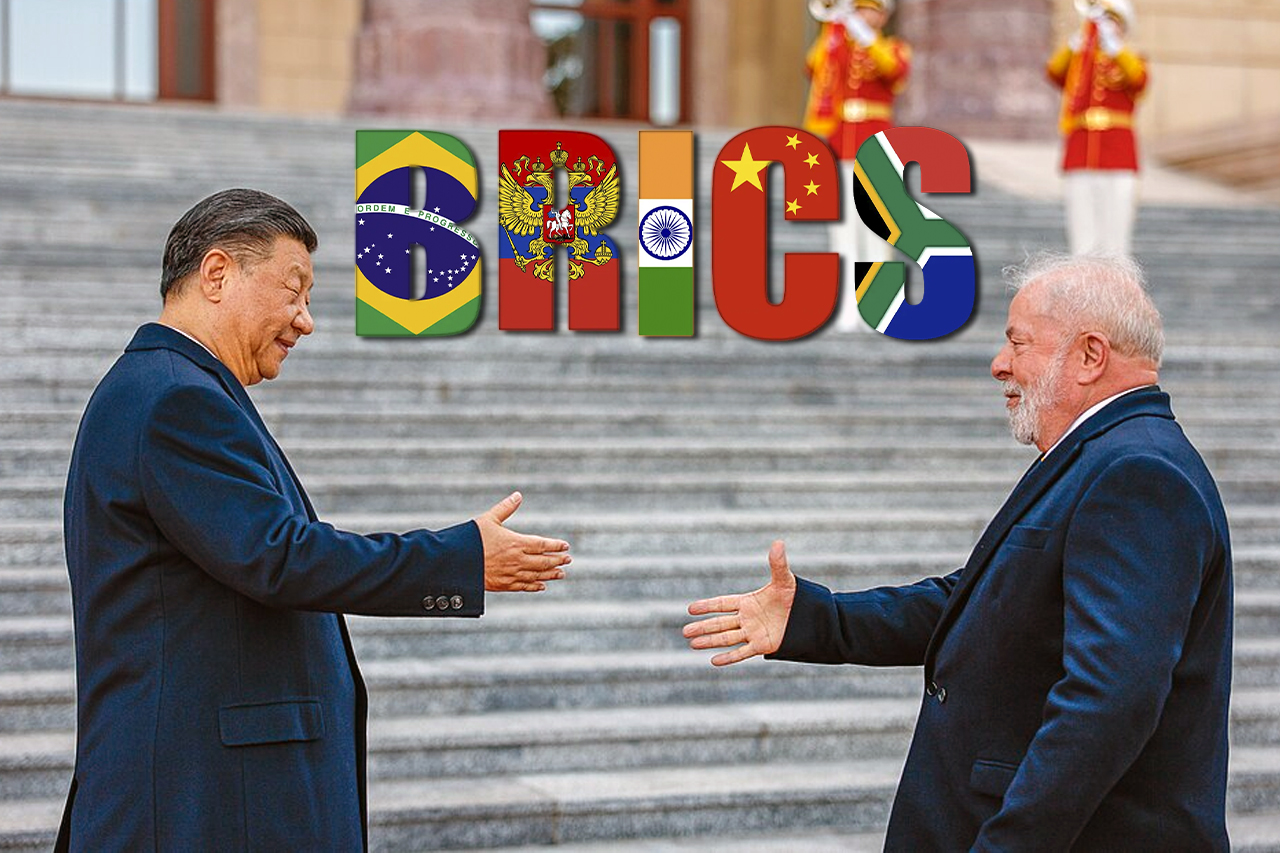


In The Midst Of US Tariffs, Xi Called Lula And Recentered China And Brazil On The Board. The Two Defended Multilateralism, BRICS And G20, And Promised Cooperation In Health, Energy And Climate With A Focus On Self-Sufficiency.
The conversation between Xi Jinping and Luiz Inácio Lula da Silva opened a window to understand how China And Brazil intend to align strategic partnership, multilateralism, and self-sufficiency in a scenario of trade pressures. The phone call, requested by Lula, lasted about an hour and addressed BRICS, G20, and cooperation in areas such as health, energy, and climate.
The backdrop is the US Tariffs on Brazilian products. The response from Brasília centers on financial support for exporters, maintaining dialogue with Washington, and accelerating Global South agendas.
Why The Call Matters For The Global South
Xi’s statement that China And Brazil Can Be Models Of “Unity And Self-Sufficiency” for the Global South places the bilateral relationship on a new political and symbolic level. The message aims at more resilient production chains, less dependent on external shocks and better coordinated by multilateral mechanisms.
-
Brazilian Joins Homeownership Consortium, Faces Decade of Dual Payments Totaling $141,000, Surpassing Traditional Mortgage

-
Land Rover to Halt Production in July, Putting 371 Jobs at Risk, as Chinese Automaker Negotiates to Convert Factory to 100,000 Vehicles Annually by 2027

-
Mexican Pest Threatens U.S. Cattle Herds at Historic Lows, Potentially Boosting Brazilian Beef Exports as Burger Prices Soar

-
Brazilian Freight Bill Progresses in Congress with $5,000 Minimum Wage, 70% Advance Payment, and Fines Up to $1 Million, as Agriculture and Industry Warn of Rising Costs and Legal Uncertainty


According to the Planalto, the dialogue encompassed the geopolitical context, peace efforts, and the role of G20 and BRICS as arenas to defend fair international rules. The tone was convergent regarding the need to reinforce multilateralism.
Beijing emphasized support for Brazil’s sovereignty and criticized unilateralism and protectionism, signaling alignment with the Brazilian narrative of economic sovereignty with smart integration.
What Changes With US Tariffs And Brazil’s Response
The United States raised tariffs to 50% on a basket of Brazilian goods, impacting sectors such as coffee, meat, textiles, footwear, fruits, and seafood, with some specific exemptions. The Brazilian government opted not to retaliate immediately, prioritizing negotiation and domestic mitigating measures.
Brasília launched the Brazil Sovereign plan, providing 30 billion reais in credit for exporters, as well as tax relief and government purchases of affected items for schools and hospitals. The initiative aims to support companies while attempting to preserve diplomatic channels.
The political calculation is clear. Maintaining dialogue reduces the risk of escalation and preserves space for agreements, while reinforcing the pursuit of new markets in the Global South.
Strategic Partnership Focused On Self-Sufficiency: Health, Energy, Climate, And Technology
In health, the priority is regulatory exchange and industrial cooperation to reduce input costs and expand access, strengthening domestic productive capacity. The agenda was cited among the areas to deepen in the official Brazilian statement.
In energy, cooperation involves oil and gas in the short term and energy transition in the medium term, focusing on financing, infrastructure, and supply chains for clean technologies. The connection to the COP30 in Belém creates a showcase for climate commitments with geopolitical backing.
In digital economy and satellites, the goal is to advance connectivity, data, and environmental monitoring, pillars of technological sovereignty for Brazil. This reduces vulnerabilities and brings self-sufficiency closer in critical areas.
BRICS, G20, And COP30 As Stages Of Multilateralism
Xi termed BRICS as a key platform for consolidating consensus in the Global South and “setting an example of unity.” For Brazil, hosting and energizing agendas within the bloc helps convert discourse into financing instruments and trade more favorable to emerging nations.
At the G20, Brasília and Beijing see space to coordinate responses to trade shocks and strengthen predictable rules, reducing the scope for unilateral measures. This front aligns with the narrative of economic security advocated by Lula.
The COP30 will occur in Belém from November 10 to 21, 2025, with a leaders’ summit expected at the opening. The event may receive joint announcements on climate and biodiversity, connecting environmental diplomacy and industrial strategy.
What To Watch In The Coming Months
First, the implementation of the credit package and tax measures, which require regulation and may be adjusted in Congress. The performance of the affected sectors will serve as a thermometer for possible additions.
Second, the outcome of diplomatic rounds with the United States. The indication of negotiation without immediate retaliation reduces tensions, but concrete results will depend on sectoral interests on both sides.
Third, the cooperation drafts between Brazil and China in health, energy, digital economy, and satellites, along with potential announcements at the COP30 and on the BRICS calendar. This is where the promise of “unity and self-sufficiency” can turn into projects and investments.





O Brasil está se libertando do feudalismo USA. Mais 200 anos.
Projetos fantásticos e de suprema importância no momento.