






 Portuguese
  Spanish
  3 min of reading
  0 comments


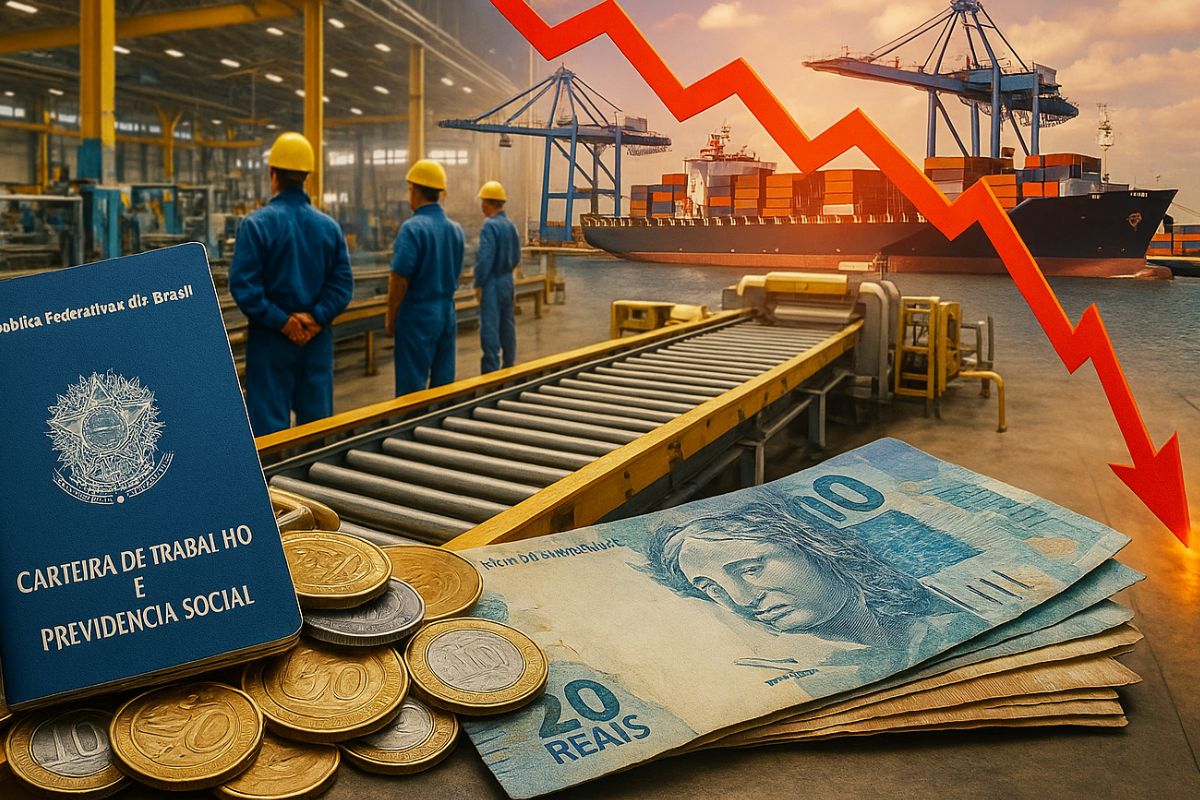
Tariffs Could Impact Jobs, INSS, and Even FGTS: Understand the Risks to the Brazilian Economy. U.S. Tariff Measures Threaten Exports, Social Security Revenue, and Labor Market Stability
The tariffs could significantly impact jobs, INSS, and even FGTS in Brazil, according to data from DIEESE. It is estimated that up to 726.7 thousand jobs are at risk due to the increase in tariffs on Brazilian products exported to the United States. In addition to the direct threat to jobs, the cascading effect impacts the Social Security revenue and the Severance Indemnity Fund, pillars of social protection in the country.
The measure, implemented during Donald Trump’s administration and maintained in recent discussions, increases the cost of Brazilian products in the American market, making them less competitive. This loss of space in exports leads to reduced production, job losses, and consequently, lower labor and social security contributions—creating a negative cycle that directly affects the internal economy.
Most Affected Sectors by the Tariffs
The tariff impact is not uniform. Some segments are more vulnerable due to their reliance on exports to the U.S.:
-
Brazilian Joins Homeownership Consortium, Faces Decade of Dual Payments Totaling $141,000, Surpassing Traditional Mortgage

-
Land Rover to Halt Production in July, Putting 371 Jobs at Risk, as Chinese Automaker Negotiates to Convert Factory to 100,000 Vehicles Annually by 2027

-
Mexican Pest Threatens U.S. Cattle Herds at Historic Lows, Potentially Boosting Brazilian Beef Exports as Burger Prices Soar

-
Brazilian Freight Bill Progresses in Congress with $5,000 Minimum Wage, 70% Advance Payment, and Fines Up to $1 Million, as Agriculture and Industry Warn of Rising Costs and Legal Uncertainty


Manufacturing Industry — Sectors such as metalworking and automotive are among the most exposed. The loss of competitiveness may lead to reduced shifts, closure of production lines, and mass layoffs.
Agribusiness — Although strong in the domestic market, exports of soybeans and beef to the United States suffer declines with higher tariffs, reducing profit margins and forcing producers to seek other markets.
Technology and Innovation — Startups and technology companies face higher entry barriers, limiting expansion and hindering strategic partnerships abroad.
Direct Effects on INSS and FGTS
When companies cut jobs, the revenue for INSS decreases, compromising the ability to pay benefits such as pensions, allowances, and stipends. The same happens with the FGTS, which receives monthly deposits based on each formal worker’s salary.
The reduction in these revenues weakens the social protection system, forcing the government to seek alternative funding sources or to revise benefit rules, which can create political and social tension.
Strategies to Mitigate the Impacts
Experts indicate that Brazil needs to diversify trade partners and reduce dependency on the U.S., investing in bilateral agreements with other strategic markets. Strengthening domestic demand and stimulating technological innovation are essential steps to maintain competitiveness.
In the social realm, policies for incentivizing job retention and skills training programs can cushion the effects on workers and revenue. Companies, in turn, should seek process modernization and less vulnerable niches to tariff barriers.
What do you think, should Brazil focus on diversifying markets to protect itself from such measures, or invest more in internal competitiveness to maintain a presence in the U.S.? Share your opinion in the comments.





Be the first to react!