






 Portuguese
  Spanish


A New Type of Concrete Developed by Chinese Scientists Is Catching Attention in the Aviation Sector. Nicknamed “Marshmallow,” the Material Has a Solid Appearance but Crumbles in a Controlled Way to Slow Down Airplanes on Emergency Landings.
A new material developed by Chinese scientists promises to transform safety on runways. Called “Marshmallow Concrete,” it is capable of absorbing the impact of airplanes during emergency landings, disintegrating in a controlled manner to gently slow down the aircraft.
The technology was created by the China Building Materials Academy (CBMA), in partnership with the China Academy of Civil Aviation Science and Technology and a technology company affiliated with the academy in Beijing.
The key difference of the new concrete lies in its extremely low density: just 200 kilograms per cubic meter, about one-tenth the weight of conventional concrete.
-
ChatGPT Alerts FBI to Prevent Planned Murder of 8-Year-Old in Brazil’s Espírito Santo

-
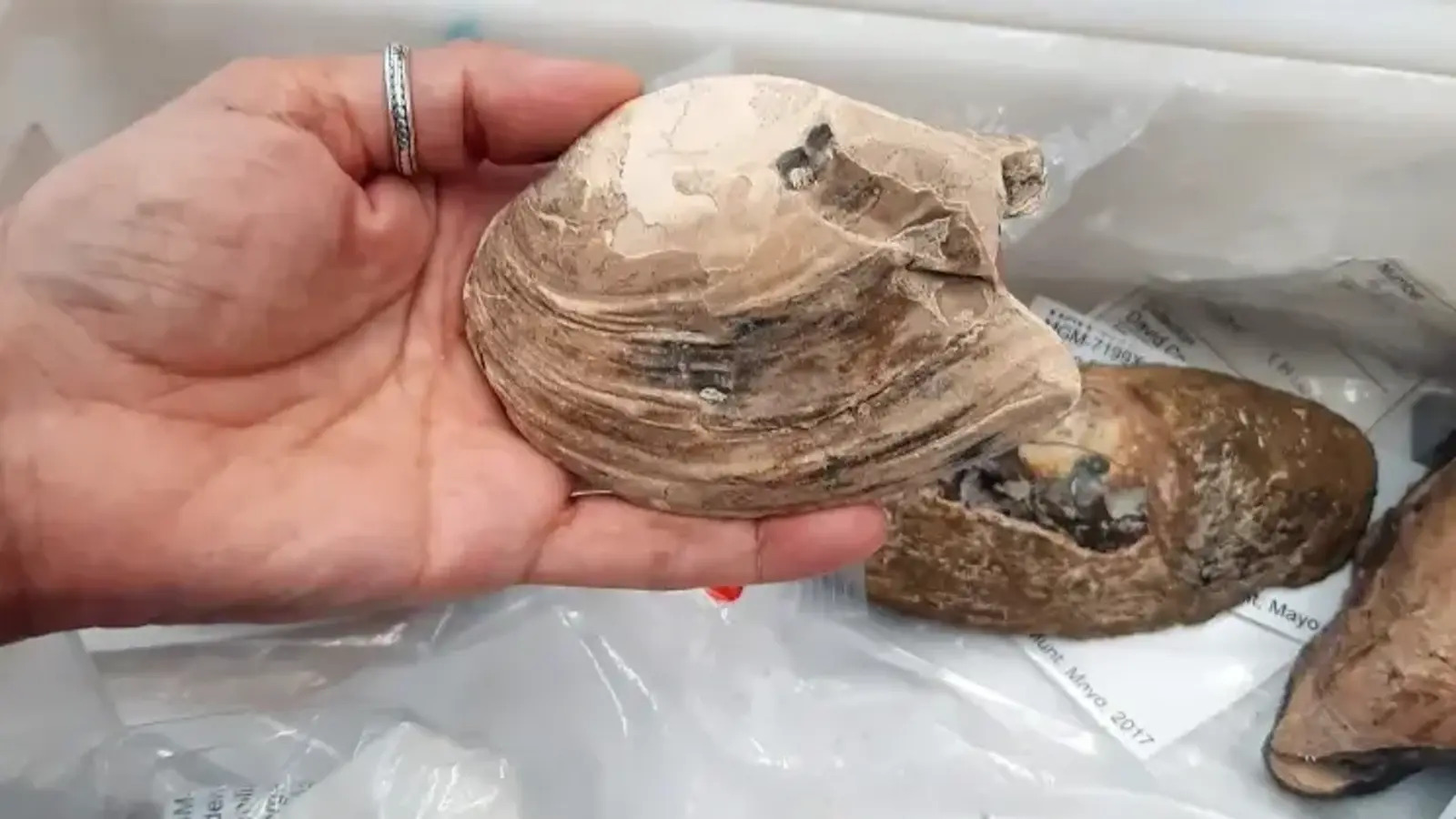
Scientists Discover 125-Million-Year-Old “Pregnant Fossil” with Preserved Embryos and Microscopic Larvae Inside Mollusk in England

-
17-Year-Old Justin Bernstein Develops Bacteria to Produce Glass on Arctic Ice to Reflect Sunlight, Wins $50,000 U.S. Scholarship

-
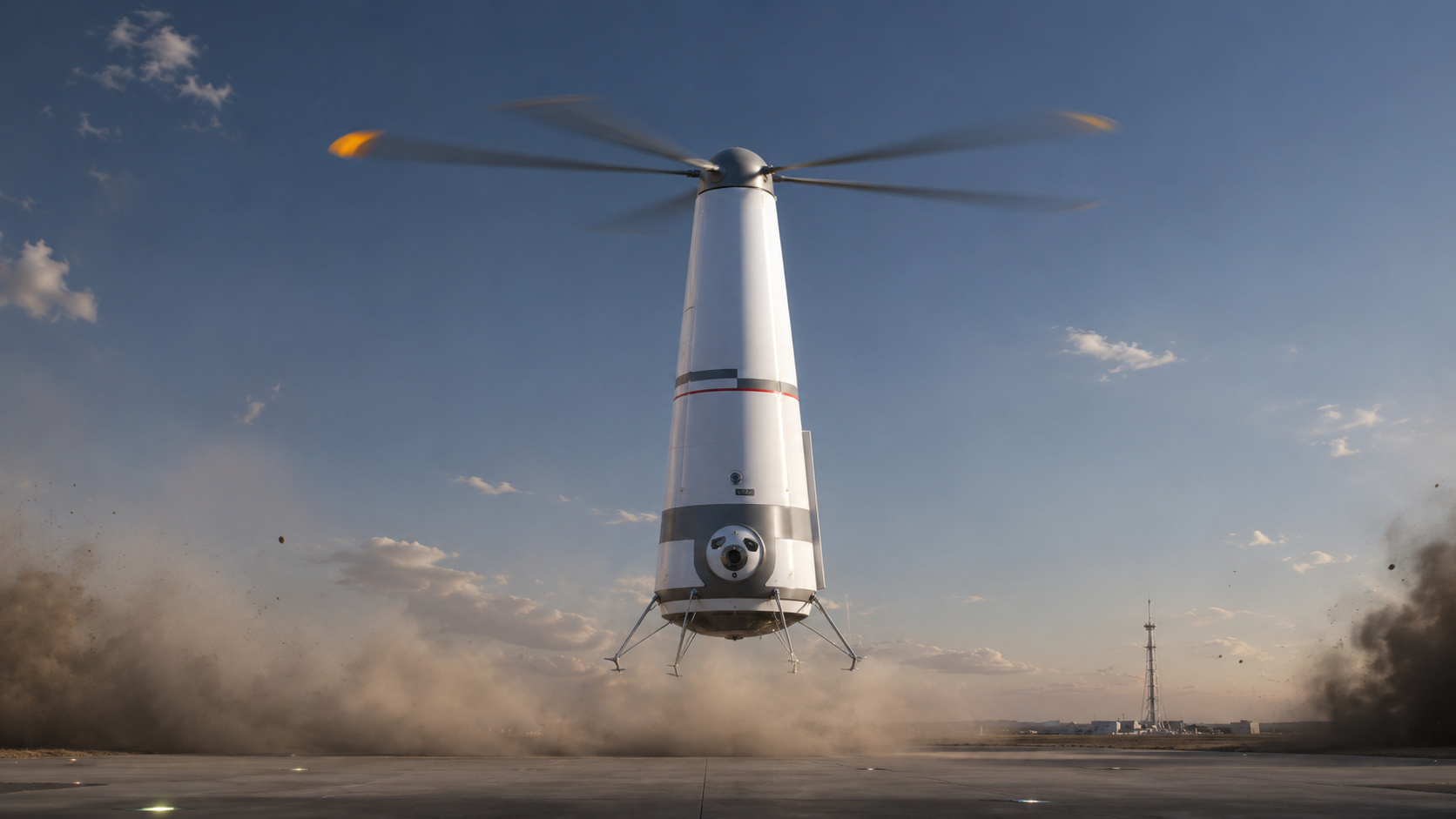
The 19-Meter Rocket-Helicopter: A Private Industry Prototype That Challenged Space Race Logic


Despite its solid appearance, it crumbles upon impact, acting like a kind of cushion for airplanes in critical situations.
“It looks solid, but crumbles upon impact, reducing the airplane’s speed gently,” stated engineer Fang Jun of the CBMA.
A Safer Alternative for Runway End Areas
Takeoffs and landings are the most critical moments of a flight. Therefore, it is essential to have reliable safety systems at the end of runways.
The International Civil Aviation Organization (ICAO) requires all airports to have Runway End Safety Areas (RESA), extending at least 90 meters beyond the main runway.
Until now, many runways used sand, dirt, grass, or even puddles to slow down airplanes. But these solutions have serious limitations.
According to Fang, puddles can freeze in winter and attract animals, while the soil is sensitive to moisture and temperature, affecting stability.
The foam concrete emerges as a more reliable option.
The challenge was to create a material that would deform predictably, capable of stopping airplanes weighing up to 100 tons, like the Boeing 747.
The strength of the concrete must be maintained within a specific range: between 0.30 and 0.35 megapascals. If it is stronger, it won’t break as it should. If it is weaker, it won’t stop the airplane.
“For regular foam concrete, higher strength is better. But ours needs to have lower and much more stable strength,” explained Fang.
Innovative Chemistry and Guaranteed Durability
Producing the material required overcoming challenges in the foaming process. The scientists described the method as “blowing bubbles” into the concrete mixture.
These bubbles create the soft texture needed to cushion the impact of the airplane.
To reinforce the bubbles, the team developed a special agent made from malleated resin, which creates a kind of armor around each bubble and prevents premature collapse of the material.
Additionally, the concrete has a two-step strength control system.
This allows it to gradually adapt to environmental conditions, something essential for airports in locations with extreme weather.
While many international projects use calcium sulfoaluminate cement, which hardens quickly, the Chinese team chose to use regular cement. This choice aims to provide a cheaper and more durable option, ideal for smaller airports.
“Calcium sulfoaluminate cement hardens quickly and makes shaping easier, but its cost is high, and it tends to degrade over time,” said Fang. “Our focus is on something more affordable and resilient.”
Technology Is Already in Operation
The marshmallow concrete system has been installed in 14 airports in China. One of the main tests took place in the city of Nyingchi, in the Xizang (Tibet) region.
After a year of monitoring, the material showed only a 3% variation in performance — below the 10% threshold set during the design phase.
“Performance remained stable over the year, with only 3% fluctuation, well below the 10% limit defined in the project,” highlighted Fang.
With reduced cost, high durability, and the ability to save lives in emergencies, marshmallow concrete has the potential to become a standard in airports worldwide.


