Portuguese
  Spanish


The four astronauts of the Artemis II mission, launched by NASA on April 1, 2026, for the first crewed trip around the Moon in over half a century, wore an actigraph developed in Brazil on their wrists. According to a report by Revista Pesquisa Fapesp, it is the first time Brazilian technology has traveled into deep space.
The device looks like a common wristwatch. Despite this, it continuously records body movement, physical activity, light exposure, and temperature. This data helps NASA understand how the human body behaves in extreme environments.
The technology was developed by the São Paulo-based startup Condor Instruments. Scientific coordination is led by Professor Mario Pedrazzoli, from the School of Arts, Sciences, and Humanities (EACH) at USP. The project is the result of two decades of research into circadian rhythm.
-
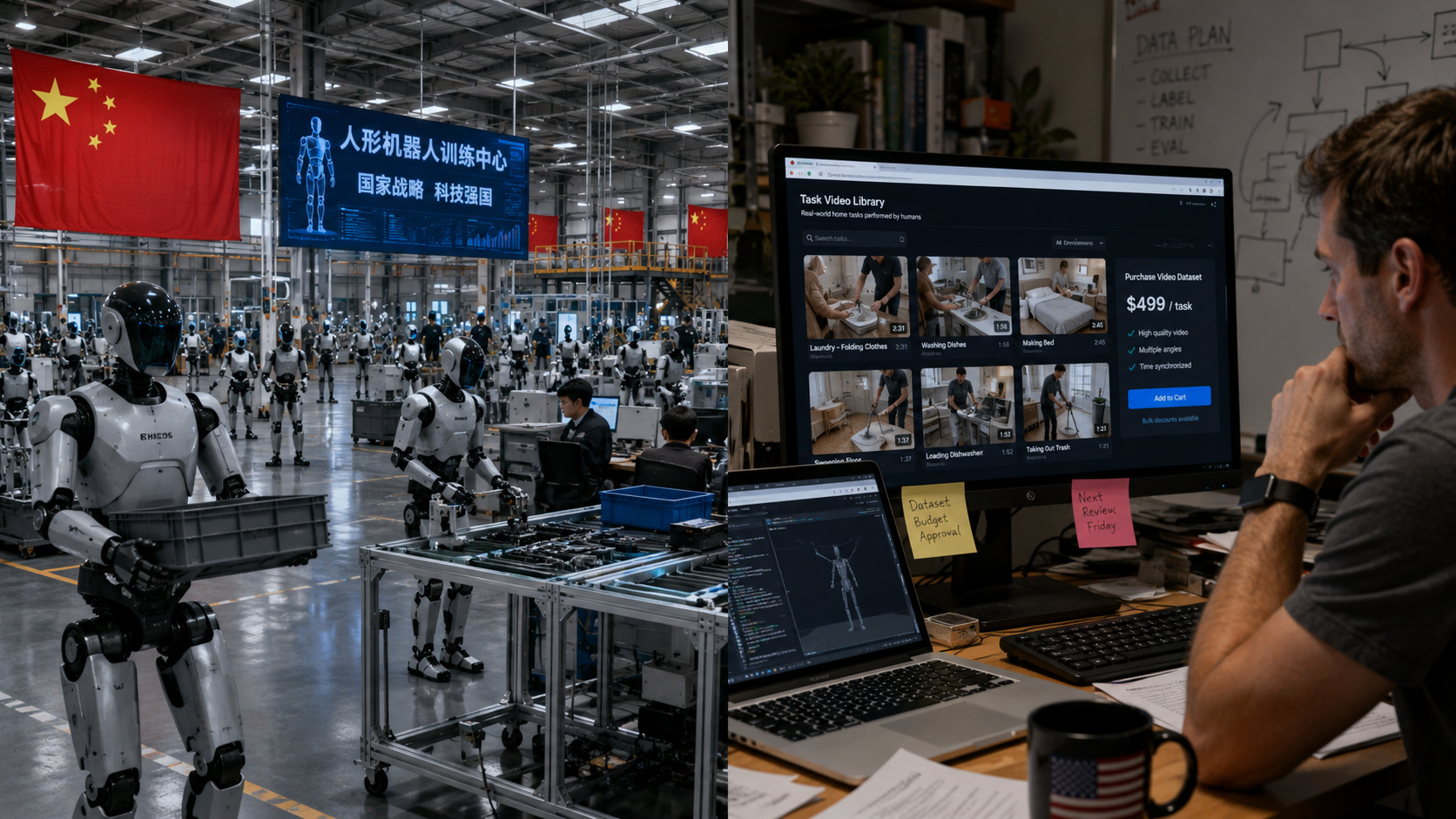
China Establishes State Centers to Train Humanoid Robots, While the West Lags Behind with Makeshift Solutions

-
Brazil’s Federal Revenue Auction: iPhone 13 for $95, PlayStation 4 for $80, and Volkswagen Jetta for $2,600 Among 232 Lots Available
-
Tech Giant Oracle Lays Off 21,000 Employees and Invests $70 Billion in Artificial Intelligence

-
The Trap of Modern Technology: How Screen Overload and Digital Connections Can Impact Your Mental Health and Well-being


How the Brazilian Artemis II Watch Monitors Astronauts
The equipment measures melanopic light — the bluish spectrum emitted by screens and electronic devices. This wavelength directly interferes with melatonin production and sleep quality. In a cramped capsule like Orion, controlling light means controlling rest.
In addition, the device records body temperature and has an event button. Astronauts press this button at specific moments during the mission. This allows for cross-referencing biological records with operational tasks and identifying fatigue patterns.
According to EACH-USP, the circadian rhythm regulates sleep, temperature, metabolism, and hormone production. An astronaut with a deregulated rhythm is an astronaut with operational risk. Therefore, monitoring this variable becomes a priority on long missions.
How a São Paulo Startup Beat Global Competition
In 2023, NASA opened an international call to select technologies capable of monitoring astronauts’ circadian rhythm. Several global manufacturers applied. At the end of the process, the Brazilian actigraph was chosen among the competitors.
Condor Instruments is headquartered in São Paulo. The company was born as a spin-off of academic research and grew by selling its equipment to hospitals, sleep laboratories, and research centers in over 20 countries. Despite this, the contract with NASA is its most visible leap.

The choice came after technical comparisons with devices from North American and European research centers. The differentiator was the sensitivity of the melanopic light sensor. According to the Brazilian team, this is the detail that separates a common watch from a clinical instrument.
Why Measuring Sleep on the Moon Matters for Oil and Gas
Brazil has been investing in technology to monitor workers in extreme environments for decades. Petrobras offshore platforms operate in 14×14 and 28×28 cycles, with night shifts under artificial lighting. The team’s circadian rhythm is important for safety and productivity.
The same type of sensor on astronauts’ wrists could reach the oil and gas industry. In fact, Condor Instruments already sells equipment for occupational health programs in energy companies. The difference from the Moon is only the scale of the journey.
According to CNN Brasil, NASA’s recognition tends to open up the market for Brazilian scientific instrumentation companies. This has a direct effect on the trade balance of high-tech goods.
The Orion Detail Few Brazilians Noticed
The Orion capsule carried the four Artemis II astronauts around the Moon on a free-return trajectory. They did not land. Despite this, the mission is the final step before Artemis III, which will land a crew on the lunar surface.
Throughout the flight, the Brazilian watches silently recorded data. The files returned to Earth for analysis by the NASA and USP teams. They will help design sleep protocols for the subsequent landing mission.
Ultimately, the Brazilian Artemis II watch is a small sensor on an enormous flight. However, it is the first national scientific instrument on a crewed deep space mission. The next frontier is Mars, and Condor Instruments wants to be there too.