






 Portuguese
  Spanish
  5 min of reading
  0 comments


President Lula formalized this Tuesday (28) the trade agreement between Mercosur and the European Union after 27 years of negotiation. The measure comes into effect from May 1st and provides for a gradual reduction of tariffs between the blocs, creating one of the largest free trade zones in the world. Santa Catarina, the largest producer and exporter of pork in Brazil, is expected to be one of the states most benefited in agribusiness, but the industry in Santa Catarina faces the challenge of European competition in sectors such as automotive.
The Mercosur has just closed the largest trade agreement in its history, and Santa Catarina is positioned at the epicenter of the effects that the treaty will have on the Brazilian economy. After 27 years of negotiation, the agreement between the South American bloc and the European Union provides for a gradual reduction of tariffs for most products traded between the two sides of the Atlantic. For the agribusiness in Santa Catarina, which is already a national reference in pork, poultry, onions, apples, and mariculture, the opening of the European market with lower tariffs represents an opportunity that the sector has awaited for nearly three decades.
But the agreement is not unanimous. While agribusiness celebrates, the industry of Santa Catarina prepares for a more challenging scenario. Europe excels in industrial segments more efficient than those in Brazil, such as automotive, and the reduction of tariffs may expose manufacturers in Santa Catarina to a competition that until now was contained by trade barriers. The president of Fiesc (Federation of Industries of the State), Gilberto Seleme, maintains a positive tone: “The agreement opens a new stage of international insertion, expanding markets and creating more favorable conditions for our industries to negotiate with competitiveness and predictability.”
What the agreement between Mercosur and the European Union changes in practice
According to information released by the ndmais portal, the treaty creates one of the largest free trade zones in the world by bringing together the countries of Mercosur (Brazil, Argentina, Uruguay, and Paraguay) with the 27 members of the European Union. The main change is the gradual reduction of import and export tariffs for the majority of products traded between the blocs, which makes both European goods arriving in South America and South American products entering Europe cheaper.
-
Low-Demand Brazilian Beef Offal Gains Popularity Abroad: Indonesia Purchases $19.5 Million, Boosting Revenue and Reducing Waste

-
Soy Expansion in Former Brazilian Savanna Sparks Water and Land Conflicts in Major Agricultural Frontier
-
Mexican Pest Threatens U.S. Cattle Herds at Historic Lows, Potentially Boosting Brazilian Beef Exports as Burger Prices Soar

-
Avocado Boom for European and U.S. Markets Fuels Water Crisis in Drought-Stricken Chilean Region


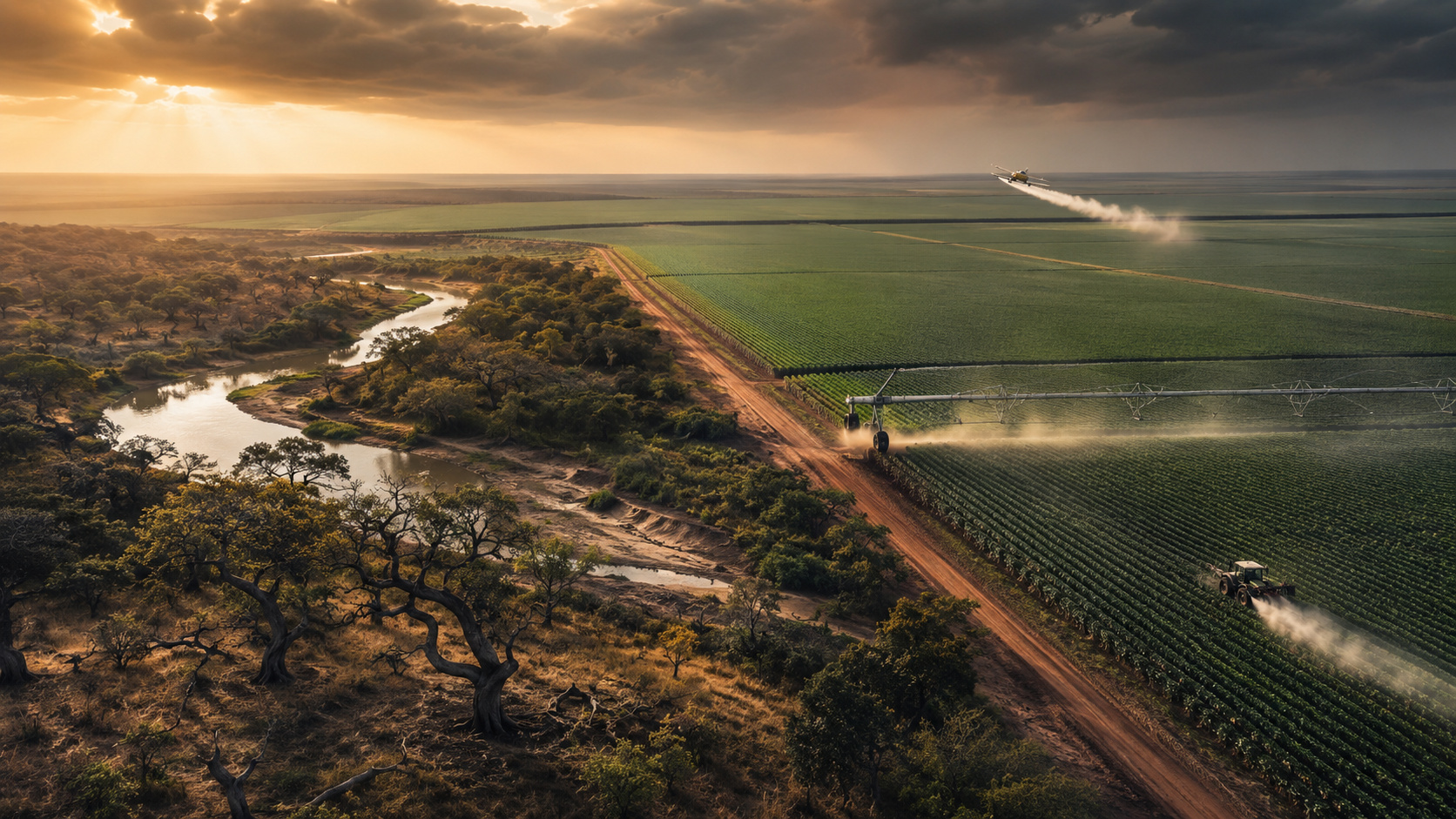


The implementation is progressive, not immediate. The tariffs will be reduced in stages over the years, giving time for sensitive sectors to adapt to the new competitive reality. The federal government has anticipated temporary protection measures for producers who may be negatively affected, a mechanism provided for in the agreement itself to avoid abrupt economic shocks in sectors that are not prepared to compete with European efficiency.
Why agribusiness in Santa Catarina is the big winner
Santa Catarina is the largest producer and exporter of pork in Brazil, according to IBGE data, and also stands out in poultry, onions, apples, and mariculture. Agribusiness in Santa Catarina is more competitive than the European in production cost, scale, and diversity, which means that the reduction of tariffs opens doors to a market of 450 million consumers that until now was partially protected by trade barriers.
The resistance of the European agricultural sector was precisely what stalled the negotiation for 27 years. Farmers in France, Ireland, and Poland feared that South American meat, cheaper and produced on a large scale, would invade the continental market and harm local livestock. The fact that the agreement has finally been signed indicates that the European Union accepted the competition in exchange for advantages in industrial and service sectors where Europe is more efficient.
The challenges that the industry in Santa Catarina will face
If the agribusiness benefits from the agreement, the Santa Catarina industry enters a more uncertain territory. Europe stands out in industrial segments where Brazil has not yet reached the same level of efficiency, especially in the automotive, pharmaceutical, and precision machinery sectors. With the reduction of tariffs, European products arrive cheaper in the Brazilian market, which may pressure local manufacturers.
Economists warn that workers in the industrial sector may be negatively impacted by the increased competition. However, the scenario is not necessarily one of losses, because the economy is dynamic and other factors, such as exchange rates, investments in productivity, and access to new markets, can offset the competitive pressure. The Santa Catarina industry that invests in innovation and efficiency will have the opportunity to strengthen, while those relying solely on tariff protection will feel the impact.
The protection measures that the government anticipated
Aware that commercial opening can cause losses in sensitive sectors, the federal government included in the agreement safeguard mechanisms that allow temporary protection for local producers. In practice, if a specific sector suffers a sudden increase in imports that threatens its survival, Brazil can trigger temporary barriers until the sector restructures and can compete under more balanced conditions.
Safeguards are common in free trade agreements and function as a safety valve that prevents the collapse of entire production chains. For Santa Catarina, the measure is particularly relevant because the state has a diversified industrial park that includes textiles, metallurgy, ceramics, and technology, sectors that may need time to adapt to European competition before the tariffs reach zero.
What 27 years of negotiation reveal about the agreement
The negotiation time is, in itself, revealing. Mercosur and the European Union began discussing the treaty in 1999, and the talks went through presidents, economic crises, pandemics, and government changes on both sides before reaching a final text. European resistance to South American agribusiness and Brazilian resistance to industrial opening were the two obstacles that stalled the process for nearly three decades.
The fact that the agreement was finally signed in 2026 reflects a change in the political calculation of both blocs. Europe needs to diversify suppliers in a world of geopolitical tensions, and Mercosur needs access to markets that buy its agricultural products and invest in its economies. For Santa Catarina, which exported a record volume of meat in 2024, the treaty is confirmation that the state’s agribusiness is ready to compete in the largest consumer market in the world.
Do you think the agreement between Mercosur and the European Union will benefit agribusiness more or harm the industry of Santa Catarina? Tell us in the comments if you work in any of the affected sectors and what you expect from the commercial opening with Europe.





Be the first to react!