






 Portuguese
  Spanish


Trash on the ground made Shibuya, Tokyo’s postcard, toughen rules against irregular street disposal. The new measure provides for a fine of 2,000 yen for those who litter streets and penalties of up to R$ 16,600 for businesses that sell food and drinks without offering trash cans to customers on busy streets.
Trash on the ground led Shibuya, one of the most famous and bustling districts of Tokyo, Japan, to adopt a new law to try to curb irregular street disposal. The measure affects residents, workers, tourists, and young people who circulate daily in the region.
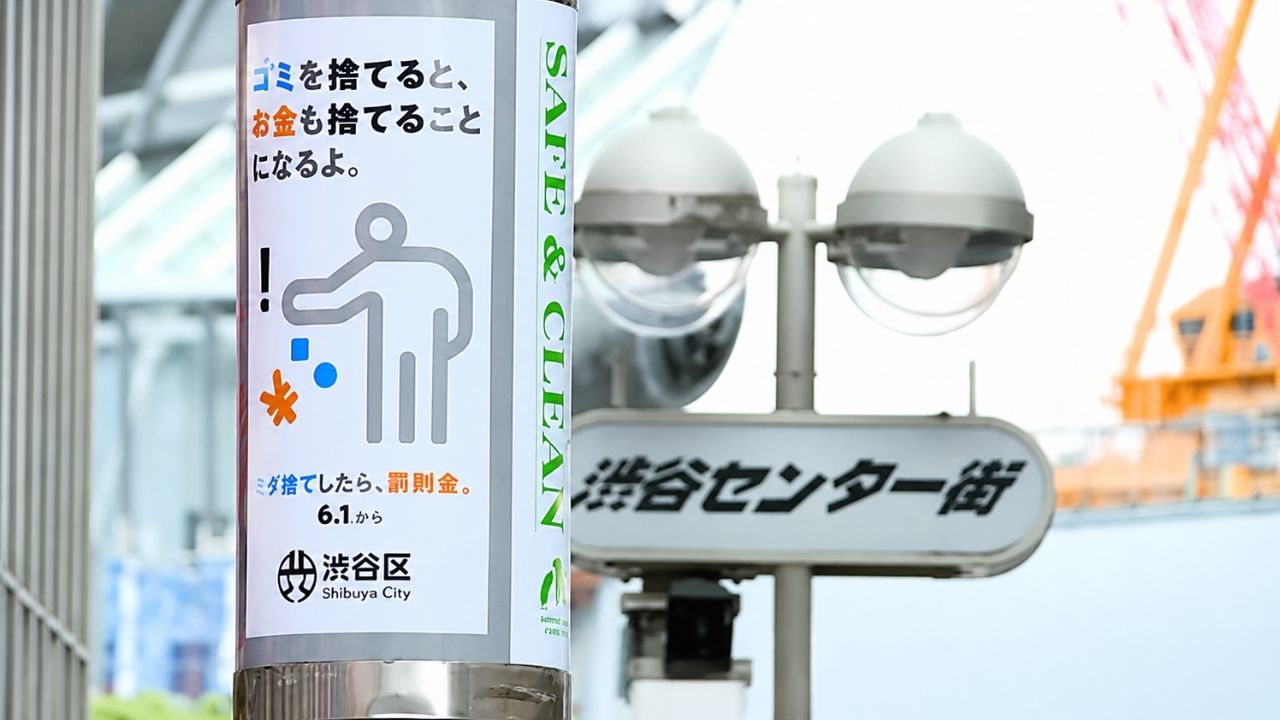
In a report released by the Jornal da Record channel, on June 13, 2026, the rule began to apply from this month, according to the source, and provides for a fine of 2,000 yen, about R$ 64, for those caught throwing trash on the streets. Establishments that sell food and drinks for immediate consumption are also now required to install trash cans for customers.
Shibuya became a symbol of Tokyo, but now faces a visible problem
Shibuya is one of the most well-known images of the Japanese capital. The district houses the famous busy crossing, giant screens, intense pedestrian flow, and a routine marked by the constant presence of residents, workers, and visitors from various parts of the world.
-
Workers renovating a playground in northern England uncover 176 World War II bombs buried underground; training artifacts still contained explosives.

-
Brazilian Architect Transforms Waste into Sustainable Homes with Solar Power and Rainwater Systems for 40 Years

-
Security Guard Becomes Doctor at Louisiana Hospital Where He Once Worked, Studied Chemistry Between Shifts

-
Woman Rescued from Luxury Complex in Brazil Worked Without Pay for 55 Years, May Be Entitled to Over $300,000




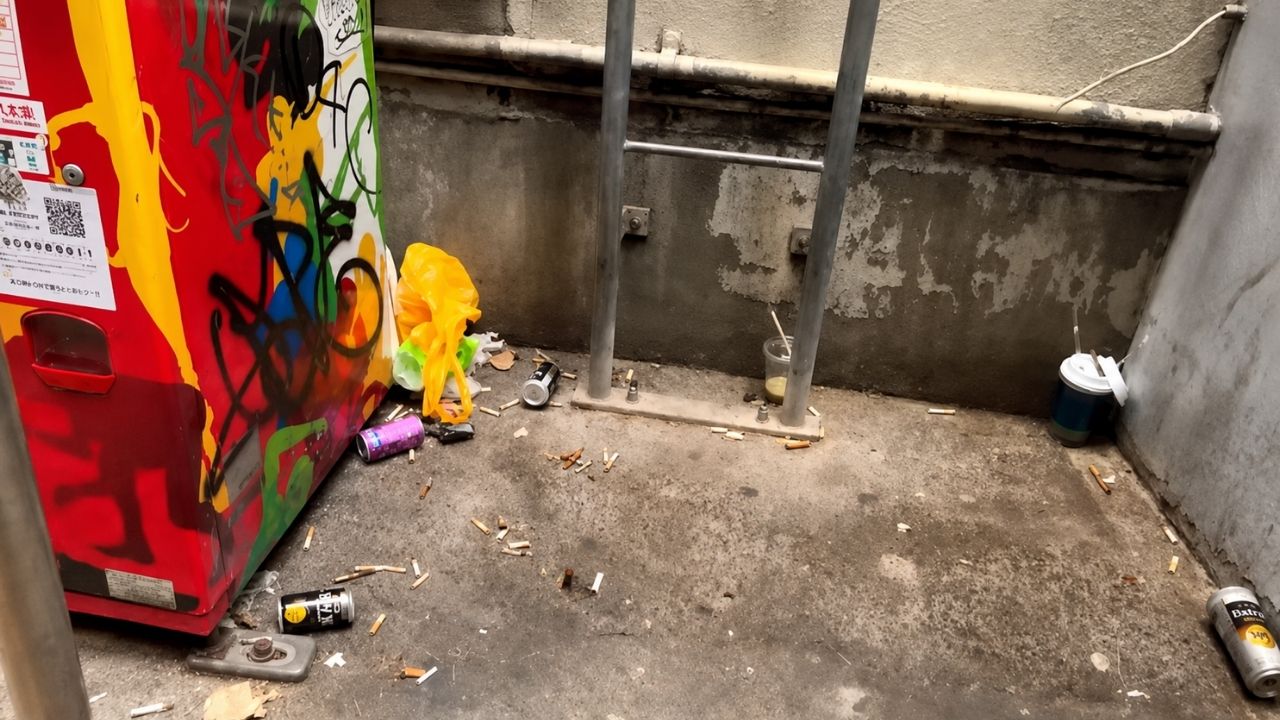
But behind the lights and international fame, the trash on the ground started to bother merchants, authorities, and residents. The dirt scattered on the streets began to contrast with the traditional image of Japan as a country of clean and organized urban spaces.
The problem is not just the number of people, but the constant consumption on the streets. With more people buying food, drinks, and quick products to consume while walking, the city hall decided to turn into a rule what previously depended almost entirely on individual conscience.
Those who litter may have to pay a fine
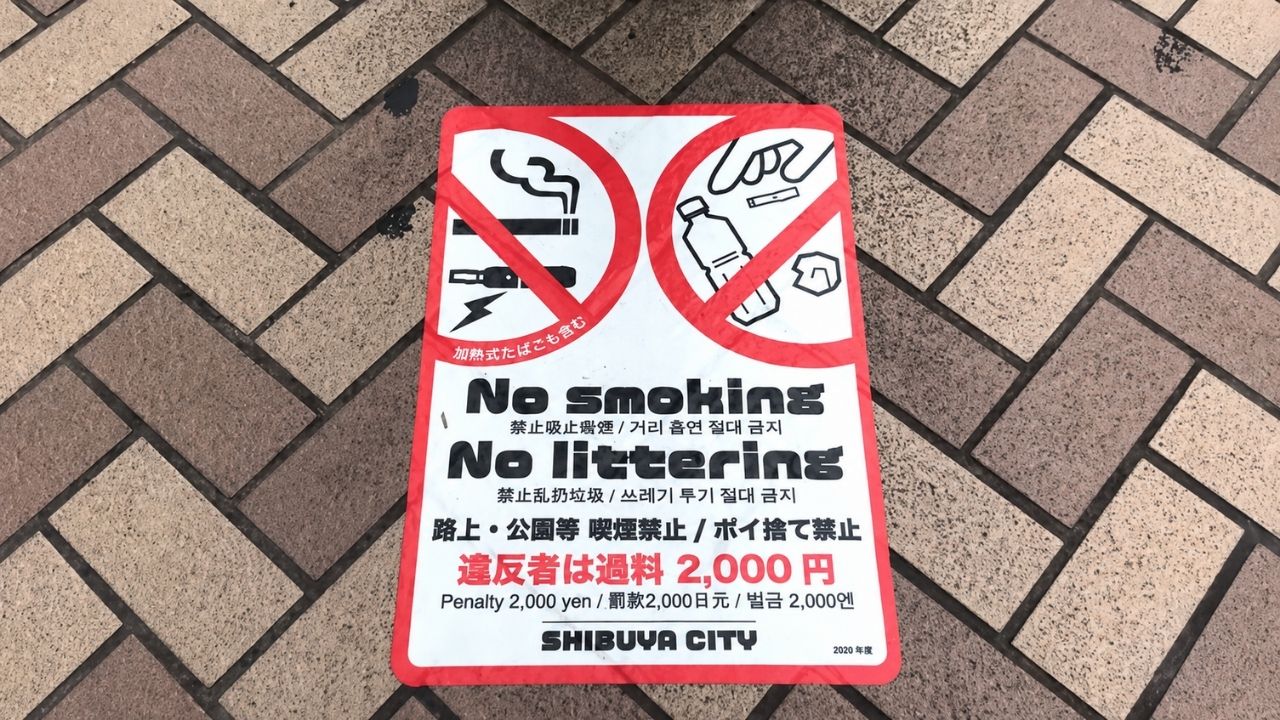
The new rule directly targets those who improperly dispose of waste. Anyone caught throwing trash on the ground in Shibuya may receive a fine of 2,000 yen, equivalent to about R$ 64, according to the data presented in the source.
The message spread throughout the neighborhood is direct: no smoking and no littering on the streets. Notices appear on sidewalks, walls, and circulation areas to remind visitors and regulars that behavior previously tolerated now has financial consequences.
The punishment aims to change the habit through immediate pressure. In a region where the flow of people is intense and enforcement has to deal with thousands of passersby, the fine acts as an attempt to reduce littering before it accumulates on the streets.
Businesses also fall under the new rule
The city hall did not place all the responsibility solely on those who throw trash on the ground. Establishments that sell food and drinks for immediate consumption are also being held accountable for the structure provided to customers.
These businesses now need to install trash bins to receive the waste generated by the products sold. If they fail to comply with the regulation, they may face fines of up to about R$ 16,6 thousand, according to the source.
The logic is simple: those who sell products that become trash also need to help collect that trash. The measure aims to close a common loophole in tourist areas, where consumers buy, consume quickly, and do not always find an appropriate place to dispose of packaging.
Even Japan’s reputation for cleanliness hasn’t escaped urban pressure
For decades, Japan has been known worldwide for the cleanliness of its streets and the disciplined behavior of its population. In many places, this reputation dispensed with specific rules to keep sidewalks and public areas organized.
In Shibuya, however, the reality has changed. The neighborhood receives thousands of people every day, including residents, workers, tourists, and young Japanese who frequent the area. When the volume of traffic grows too much, even strong customs begin to face practical limits.
The advance of trash on the ground shows that the reputation for cleanliness does not work alone in areas of intense consumption. The city hall understood that educational campaigns were no longer enough to tackle the problem in one of Tokyo’s most visited areas.
Tourists are not the only ones blamed for the problem
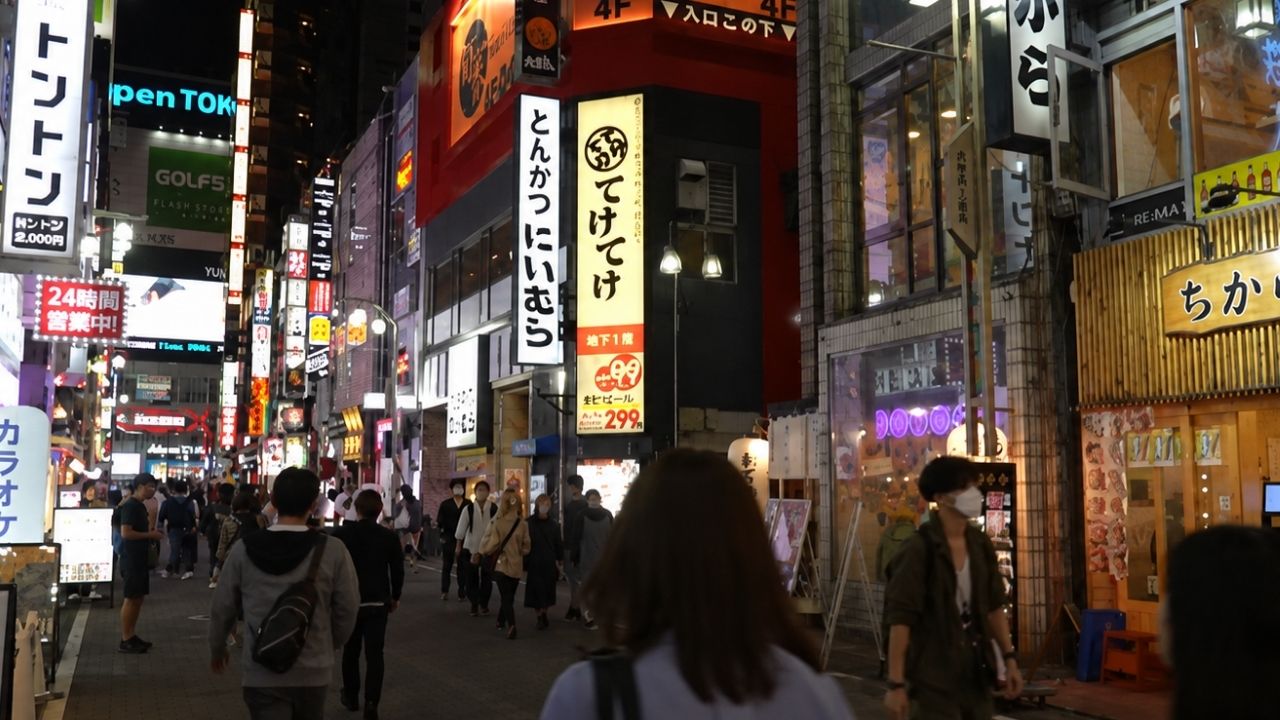
The dirt on the streets of Shibuya is often associated with tourism, as the neighborhood is an almost mandatory stop for foreign visitors. However, according to the merchants interviewed in the source, the responsibility does not fall solely on those coming from outside.
Many young Japanese people who circulate in the area are also cited as part of the challenge. This broadens the discussion: trash on the ground would not only be a problem of visitors but of urban behavior in an area of leisure, consumption, and high concentration of people.
The pressure on Shibuya arises from the sum of different audiences. Tourists, workers, residents, and local visitors share the same space, shop at the same establishments, and generate waste that needs to be collected before it becomes accumulated dirt.
Awareness campaigns were no longer sufficient
According to the source, merchants and the city hall had been trying for years to reduce irregular disposal. Awareness campaigns aimed to maintain the tradition of clean streets but failed to prevent the growth of the problem.
This point helps explain why the city hall decided to adopt a specific law. The change indicates that the local administration began to see trash on the ground as a persistent urban problem, no longer as isolated episodes of carelessness.
When guidance stops working, the rule comes in to replace the voluntary appeal. The new phase makes it clear that the cleanliness of the neighborhood will not depend solely on the education of visitors but also on punishment and shared responsibility.
The challenge of keeping one of the most visited neighborhoods on the planet clean
Keeping Shibuya clean is a complex task because the district concentrates leisure, commerce, tourism, transport, and nightlife. In such areas, irregular disposal appears more easily, especially when there is quick consumption of food and drinks.
The city hall tries to tackle this challenge with two approaches: punishing those who throw trash on the ground and requiring businesses to provide trash bins. The intention is to reduce both inappropriate behavior and the lack of structure for proper disposal.
Even so, the measure may generate debate. For some, the fine is necessary to protect a public space pressured by excessive circulation. For others, the problem also requires more urban infrastructure, more guidance, and more disposal points.
The new rule exposes a change in urban tourism


The case of Shibuya shows how famous destinations need to deal with side effects of their own popularity. The more people circulate, consume, and record the experience on the streets, the greater the pressure on cleanliness, safety, and organization.
In the Japanese case, the impact draws even more attention because it confronts a consolidated image of collective discipline. The district that symbolizes modern Tokyo now needs to say, explicitly, that littering will have a cost.
The trash on the ground, therefore, ceases to be just a detail of cleanliness and becomes a sign of a larger transformation. Major tourist centers need to adapt old rules to new flows of consumption, circulation, and behavior on the streets.
Shibuya wants to preserve the image before dirt becomes a trademark
The decision to fine those who throw trash on the ground and charge businesses for trash bins shows that Shibuya is trying to protect more than just clean sidewalks. The district seeks to preserve an international image built over decades, associated with order, intense movement, and organized urban experience.
The new rule also sends a message to other tourist cities: when street consumption increases, cleanliness cannot rely solely on goodwill. It is necessary to combine awareness, enforcement, and responsibility from those who sell products that become waste.
Do you think it’s fair to fine those who litter and punish businesses that don’t provide trash bins? Or do you believe the city council should invest more in infrastructure before charging the population? Share your opinion and say if a similar rule would work in Brazilian cities.


