






 Portuguese
  Spanish
  5 min of reading
  0 comments


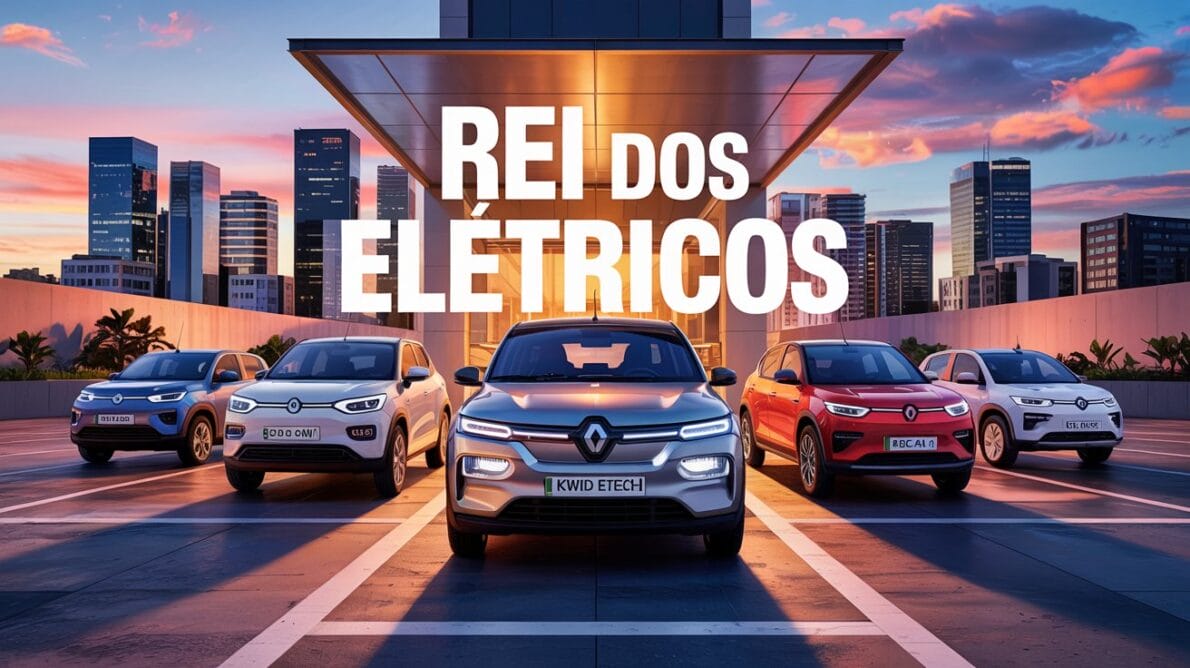
The New List Of The Cheapest Electric Cars In Brazil In April Surprises With Models Already Known To The Public, Revealing How The Market Has Transformed In Recent Months With Aggressive Price Cuts And The Arrival Of Increasingly Accessible Brands.
Despite the Increasingly Significant Presence Of Chinese Automakers In The National Market, The Cheapest Electric Car In Brazil In April 2025 Does Not Belong To BYD Or GWM.
The Title Of The Most Affordable Model In The Country Remains In The Hands Of A Familiar Name To Brazilians: The Renault Kwid E-Tech, With An Initial Price Of R$ 99,990.
The Advance Of Electric Cars On Brazilian Streets Has Been Remarkable, Driven Primarily By The Arrival Of Asian Manufacturers And The Gradual Reduction Of Prices Across The Segment.
-
Uber Faces Shareholder Scrutiny as Board Accused of Ignoring Safety, Compliance, and Harassment Warnings Amid Over 3,500 U.S. Lawsuits

-
Ferrari’s First Electric Car Divides Fans, Priced at $630,000, Amid Concerns Over Limited Editions; Brand Clarifies It’s Not Just for Future Perks
-
BYD Dolphin Mini: The Electric Car That Defies Depreciation, Losing Only 3.58% in a Year and Becoming the Best-Selling Retail Model Under $22,000

-
Electric Car JAC E-JS4 Loses $19,000 in Value in One Year, Leading Record Depreciation of Used Cars in Brazil Due to Expensive Battery and New Models


According To Updated Data From The National Federation Of Motor Vehicle Distribution (Fenabrave), Brazil Sold Over 61,000 100% Electric Vehicles In 2024, Representing A Considerable Jump Compared To Previous Years.
The BYD Dolphin Mini Was The Best-Selling Model In The Segment Last Year, With 21,968 Units Registered.
It Was Followed By The Traditional BYD Dolphin (15,212 Units) And The GWM Ora 03 (6,326 Registrations).
These Numbers Reflect The Growing Interest Of Brazilian Consumers In Sustainable Vehicles, Even Though These Models Still Represent A Minority Share Of The National Automotive Market.
But After All, What Are The Five Cheapest Electric Cars Sold In Brazil Currently?
Below, You Check The Updated List For April 2025, Based On Prices Published On The Official Websites Of The Automakers.
1st Place – Renault Kwid E-Tech: Affordable And With A Renewed Design
The Renault Kwid E-Tech Remains The Cheapest Electric Car In Brazil, With An Official Price Of R$ 99,990.
Launched Here In 2022 For R$ 142,990, The Model Has Experienced Price Fluctuations Over The Years, Going Up To R$ 149,990.
However, Strong Competition From Chinese Models Forced The Manufacturer To Reassess Its Pricing Strategy.
Equipped With A 65-Horsepower Electric Motor, The Kwid E-Tech Delivers A Range Of Up To 185 Kilometers On A Full Charge.
It Accelerates From 0 To 50 Km/h In Just 4.1 Seconds, Reaching A Top Speed Of 130 Km/h.
According To Information From Renault, A New Version With Improvements In Visual And Embedded Technology Is Expected To Debut Soon In The Country, Which Should Keep The Model Competitive In The Entry-Level Segment.

2nd Place – BYD Dolphin Mini: Popular, But Not The Cheapest
Although It Was The Best-Selling Electric Car Of 2024, The BYD Dolphin Mini Occupies The Second Place Among The Cheapest In The Country, With An Initial Price Of R$ 118,800 For The Four-Seater Version And R$ 122,800 For The Five-Seater Version.
Imported From China, The Model Arrived In Brazil In 2023 With The Mission Of Leveraging The Success Of Its “Bigger Brother,” The Traditional BYD Dolphin.
The Dolphin Mini Features A 75 Hp Electric Motor And Accelerates From 0 To 100 Km/h In 14.9 Seconds.
Its Top Speed Is 130 Km/h And The Range On A Full Charge Can Reach 280 Kilometers, According To The Inmetro PBEV Standard.
Despite Not Being The Cheapest On The List, The Dolphin Mini Stands Out For Its Balance Between Performance, Range, And Price.

3rd Place – Caoa Chery iCar: Compact And Urban
In Third Place Is The Compact Caoa Chery iCar, Currently Sold For R$ 119,990.
The Model Was Launched In A Single Version In Brazil And Previously Cost Almost R$ 140,000, But Its Price Was Reduced Due To Intense Competition With BYD And GWM Models.
The iCar Features A 61 Hp Electric Motor And 150 Nm Of Torque.
The Acceleration From 0 To 100 Km/h Occurs In 12.8 Seconds, Which Also Corresponds To Its Top Speed.
The Estimated Range Is Up To 197 Km, According To The PBEV Cycle.
Ideal For Urban Use, The iCar Is One Of The Most Practical And Compact Options Currently Available In The Brazilian Electric Vehicle Market.

4th Place – Neta Aya: The Newcomer Among The Most Accessible
One Of The Great Surprises Of 2025 Is The Presence Of The Neta Aya In Fourth Place, With An Initial Price Of R$ 128,900.
The Chinese Brand Debuted In Brazil In The Second Half Of 2024 And Quickly Gained Ground With Its Compact And Modern SUV.
The Neta Aya Started Being Sold In January This Year And Is Already Among The Cheapest Models Available.
Its Motor Delivers 95 Hp Of Power And 150 Nm Of Torque, While The 40.7 KWh Battery Offers A Range Of Up To 263 Km.
The Model Can Also Be Purchased In A Luxury Version (R$ 134,900), Which Adds Advanced Safety And Semi-Autonomous Driving Features.
The Neta Aya Stands Out For Its Good Cost-Benefit Ratio, Combining Cutting-Edge Technology With A Competitive Price.

5th Place – JAC E-JS1: Veteran Still In The Race
Closing The List, We Have The JAC E-JS1, One Of The First 100% Electric Models Launched In Brazil By A Chinese Brand, In 2021.
Currently, Its Price Starts At R$ 132,900, Going Up To R$ 138,900 In The EXT Version, Which Features A More Adventurous Look.
The Hatchback Is Equipped With A 62 Hp Electric Motor And 150 Nm Of Torque.
It Goes From 0 To 100 Km/h In 10.7 Seconds And Reaches A Top Speed Of 110 Km/h.
Its Range, According To The PBEV Standard, Is 161 Km.
Despite The Limited Range, The JAC E-JS1 Still Attracts Consumers Looking For An Affordable And Reliable Model Within The Entry-Level Electric Range.

Electric Cars Continue To Rise In Brazil
With The Expansion Of Charging Infrastructure, Tax Incentives In Some States, And Growing Environmental Awareness, Electric Cars Are Set To Continue Advancing In Brazil In The Coming Years.
Moreover, The Increased Competition Among Manufacturers Has Driven Price Reductions And Continuous Improvements In The Supply Of Embedded Technology.
The Outlook For 2025 Points To An Even More Dynamic Market, With New Brands And Models Set To Arrive In The Country, Including The Promise Of Electric Cars Priced Below R$ 90,000 In The Near Future.
The Trend Is For Automotive Electrification To Become Increasingly Accessible And Present In The Daily Lives Of Brazilians.
And You, Do You Think Electric Cars Will Finally Become A Reality For Most Brazilians Or Are They Still Out Of The Consumer’s Pocket Reality? Comment Below!





Be the first to react!