






 Portuguese
  Spanish




The Japanese Manufacturer Accelerates The Transition To Electrification In The Country With New Technologies And Hybrid Vehicles In Its Lineup.
Toyota announced an ambitious goal for the coming years: by 2028, all of its models sold in Brazil will have at least one hybrid version. The plan is part of an investment of R$ 11 billion by 2030, which includes the reorganization of factories and the launch of new vehicles.
This strategy reinforces the brand’s commitment to sustainability and consolidates its leadership in the hybrid car market in Brazil.
Transformation In The Brazilian Market With Toyota
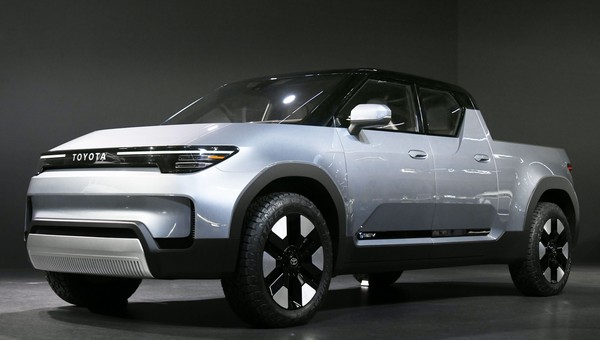
According to reports, Toyota will concentrate its production in Sorocaba (SP), ending operations at the Indaiatuba (SP) factory. There, a new section will be built to manufacture the Corolla and the Corolla Cross, in addition to a new model: a mid-sized pickup called 150D, expected to launch in 2026.
-
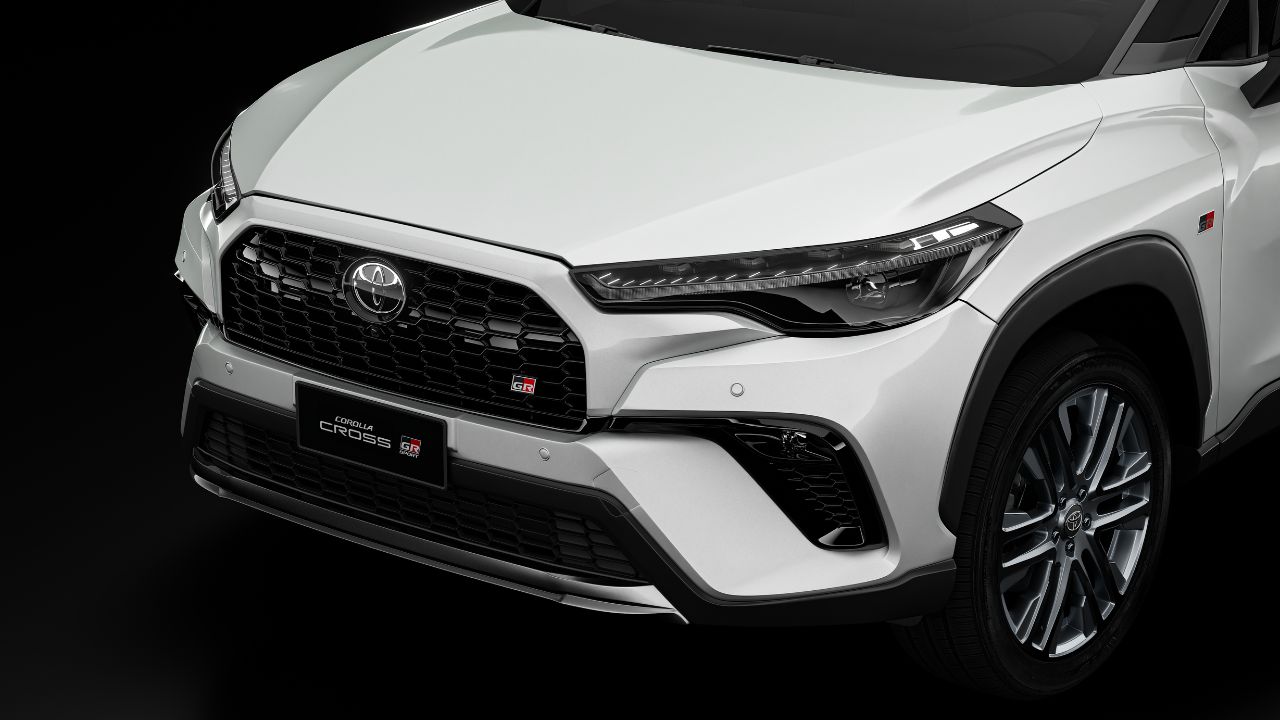
2027 Toyota Corolla Cross Unveiled: New Design, Enhanced Fuel Efficiency, Reduced Maintenance Costs, Advanced Technology, Connected Services, and Up to 10-Year Warranty

-
Fiat Cronos Precision 2018: Affordable Sedan with Spacious Trunk and Reliable Maintenance
-
Volkswagen to Cut Production by 1 Million Cars by 2030, Reducing Jobs and Platforms, Focusing on More Profitable Models

-
Toyota Launches First 100% Electric Car in Brazil: bZ4X with 343 HP, All-Wheel Drive, 361 km Range, Priced at $419,990 BRL, Limited to 99 Units



This pickup will be equipped with a pioneering plug-in hybrid flex engine, reinforcing Toyota’s commitment to hybrid vehicles in Brazil.
The first major milestone of this transition will be the compact SUV Yaris Cross, which will hit the market in 2025. It will feature an updated 1.5 hybrid flex engine, promising efficiency and performance. In 2026, it will be time for the renewal of the Hilux, which will come with a light hybrid diesel engine, in addition to the launch of the new hybrid SW4.
Pioneering In Electrification
Toyota was a pioneer in launching the world’s first flex hybrid engine in 2019, with the 12th generation Corolla. Since then, the brand has expanded this technology to other models, such as the Corolla Cross and the RAV4.
Now, with the arrival of new vehicles like the Yaris Cross and the 150D pickup, the Japanese manufacturer reaffirms its prominent position in the hybrid car market in Brazil.
Despite advancements, Toyota faced delays in its original electrification plan, initially set for 2025. The Covid-19 pandemic impacted the timeline, postponing launches and investments. However, the brand remains committed to electrifying its entire lineup by 2028.
The Future Of Toyota’s Hybrid Cars In Brazil
In addition to new models, Toyota will continue to enhance its hybrid technologies. By 2030, new full and plug-in hybrid engines will be incorporated into future generations of the Corolla and Corolla Cross.
The company will also continue to offer combustion-only options in some models, to cater to different consumer profiles.
Check out some highlights of Toyota’s future hybrid lineup in Brazil:
Corolla: flex hybrid with a 1.8 engine producing 122 hp.
Yaris Cross: flex hybrid 1.5 with around 115 hp.
Hilux: light hybrid diesel and a turbo hybrid version producing 300 hp.
150D Pickup: plug-in flex hybrid with 223 hp.
With this move, Toyota not only reaffirms its commitment to the Brazilian market, but also leads the transformation towards a more sustainable future for hybrid cars in Brazil.








