






 Portuguese
  Spanish
  4 min of reading
  9 comments





International Dispute Over Chips Between Netherlands and China Threatens to Interrupt Vehicle Production in Brazil, Raising Alert in Manufacturers and Government About Possible Crisis Similar to That Faced During Pandemic.
Manufacturers installed in the country began to work with the scenario of supply interruption of semiconductors within three weeks, after the escalation of a dispute between Netherlands and China that is already causing impacts in Europe and threatens the production lines of Toyota, Volkswagen, Fiat, and other manufacturers in Brazil.
The Anfavea reported that there is a risk of stoppages due to “critical semiconductor shortage” and is calling for swift action from the government to avoid a lack of components.
How The Stalemate Began and Why It Affects Brazil
According to a report published by Jornal Nacional this Friday (24), the stalemate began after the Dutch government took control of Nexperia, a chip manufacturer based in the Netherlands and owned by the Chinese group Wingtech.
-
Brazilian Joins Homeownership Consortium, Faces Decade of Dual Payments Totaling $141,000, Surpassing Traditional Mortgage

-
Land Rover to Halt Production in July, Putting 371 Jobs at Risk, as Chinese Automaker Negotiates to Convert Factory to 100,000 Vehicles Annually by 2027

-
Mexican Pest Threatens U.S. Cattle Herds at Historic Lows, Potentially Boosting Brazilian Beef Exports as Burger Prices Soar

-
Brazilian Freight Bill Progresses in Congress with $5,000 Minimum Wage, 70% Advance Payment, and Fines Up to $1 Million, as Agriculture and Industry Warn of Rising Costs and Legal Uncertainty


The decision was justified for economic security reasons.
According to the newscast, China responded by restricting the export of semiconductors, essential items for various industries, including the automotive sector.
According to industry analysts, this measure directly affects countries that depend on global supply chains, such as Brazil.
Although the country does not produce automotive chips at scale, local manufacturers use these components in almost all electronic systems of vehicles.
Anfavea highlights in a statement that a modern car uses between one thousand and three thousand chips and that, without these components, “manufacturers cannot maintain the production line.”
Yellow Light from Manufacturers and Alert from Anfavea
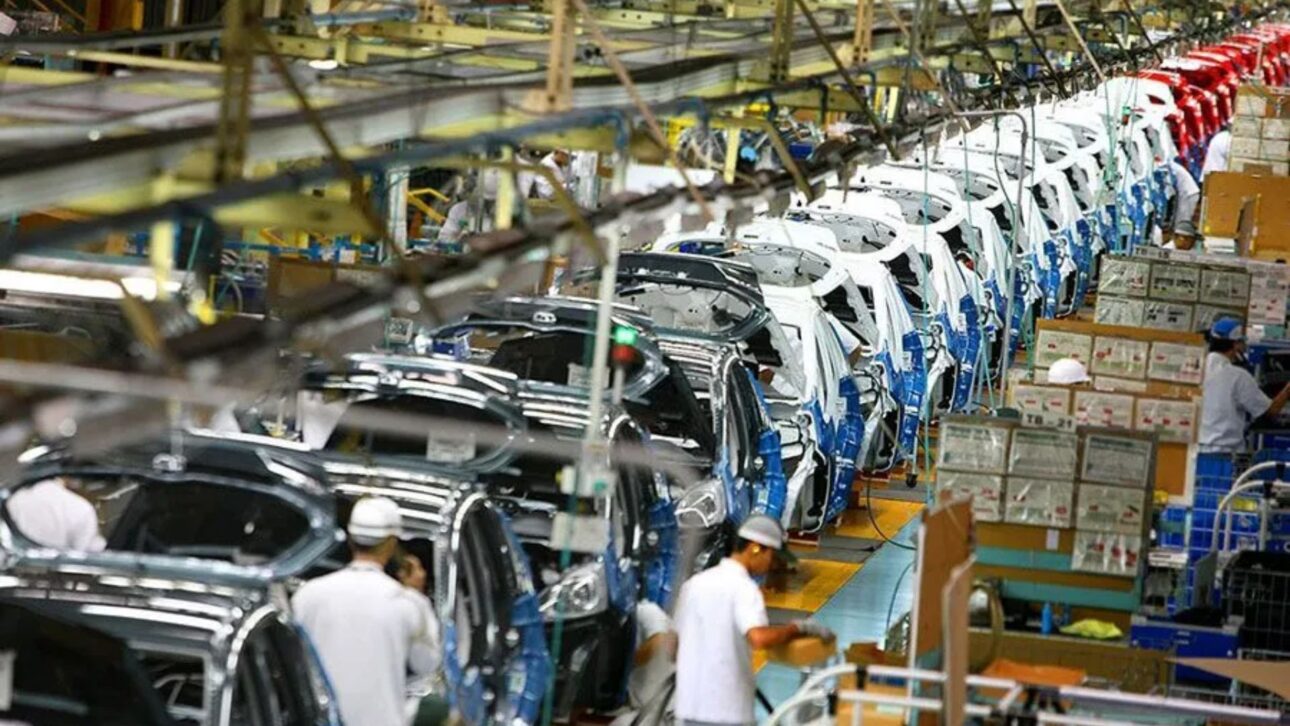
According to investigations from Jornal Nacional, the association of manufacturers is “vigilant and concerned” about the risk of shortages in a few weeks and compares the current situation to the bottlenecks recorded at the height of the pandemic, when there was a lack of components and factory shutdowns in several countries.
Representatives of the entity state that immediate diplomatic dialogue between the Brazilian and Chinese governments is necessary to ensure the continuity of supply.
The sector evaluates that the shortage stems from a geopolitical context that, according to experts, involves international pressures over production and trade control of semiconductors.
Production Still Grows, But Scenario May Change
The data until September shows a 6% increase in production of vehicles compared to the same period in 2024, primarily sustained by a 51.6% increase in exports.
According to Anfavea, the growth was driven by the external market, especially due to demand from Argentina.
Despite the positive performance, experts state that the pace may be affected if the supply of semiconductors is interrupted.
According to Jornal Nacional, manufacturers are already experiencing waiting lists for vehicle deliveries starting in January and February, reflecting high demand and concerns about delays in production.
What the Government and Sector Are Saying
The Ministry of Development, Industry, Commerce and Services reported that it is monitoring the effects of the interruption in the global semiconductor supply chain and is maintaining dialogue with the automotive sector to minimize possible losses to companies and jobs.
Moreover, according to Jornal Nacional, the acting president Geraldo Alckmin has called for a meeting with representatives of the automotive sector for next Tuesday, with the aim of discussing alternatives to avoid impacts on factories.
International trade experts assess that the tightening of Dutch export controls over chip manufacturing equipment, in effect since April, has increased instability in the global semiconductor market.
Understand the Importance of Semiconductors in the Car
Chips are responsible for controlling the electronic and safety systems of vehicles.
According to engineers in the automotive industry, they function as “neurons” inside the car, allowing the coordinated operation of mechanisms such as the engine, braking, airbags, and connectivity.
Therefore, any interruption in supply can quickly affect production.
When a specific component is missing, part of the assembly line must be halted until replacement.
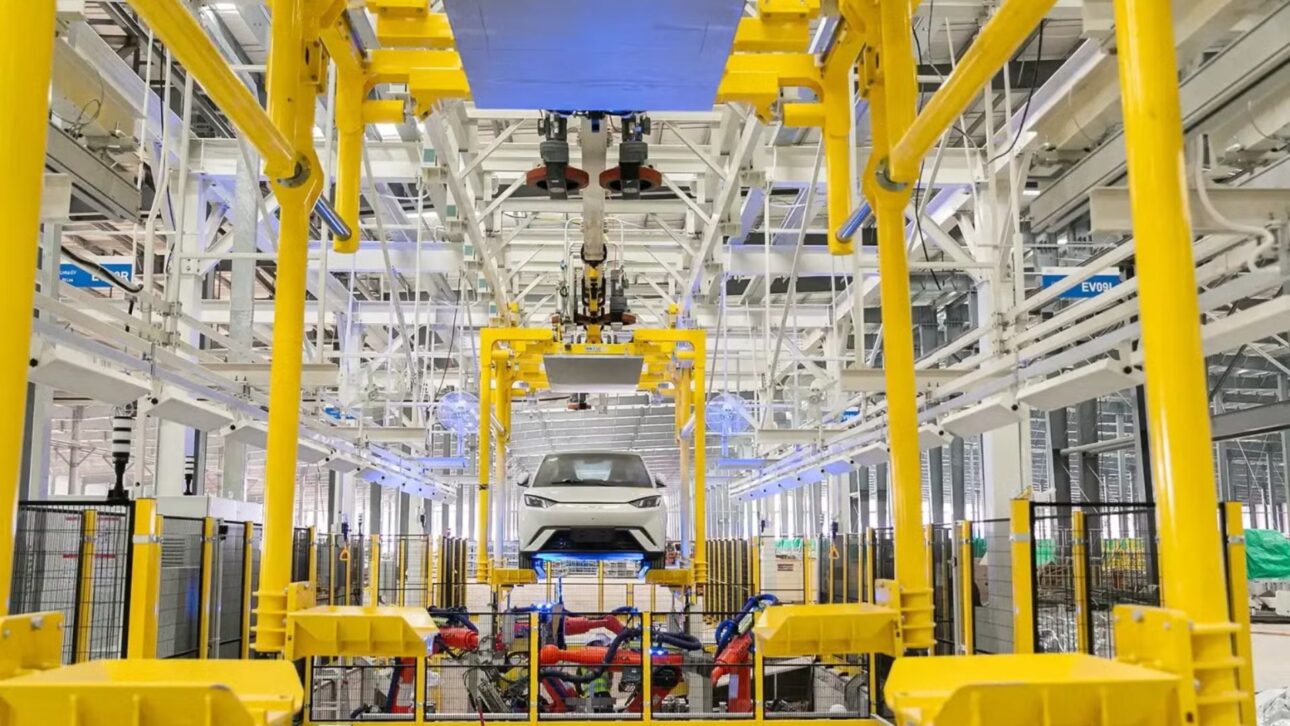
In an interview with Jornal Nacional, industry representatives stated that the absence of chips could halt Brazilian factories in less than a month, unless new shipments from Asia are released.
The Risk of a New Global Crisis
During the COVID-19 pandemic, between 2020 and 2021, the semiconductor shortage caused widespread shutdowns in automakers around the world.
Now, according to international economy specialists, the risk is that the political and commercial conflict between producing countries may provoke a new wave of shortages, with a direct impact on the automotive industry.
Analysts remind that global chip production is highly concentrated in a few countries and companies.
Any restriction in one link of the chain can generate a cascading effect in various regions, especially in economies reliant on technology imports, such as Brazil.
What to Observe in The Coming Weeks
Industry technicians and government representatives are monitoring three main factors:
- The duration of Chinese restrictions after the intervention in Nexperia;
- Any new European measures on semiconductor trade;
- And the ability of manufacturers to temporarily adjust production for models with lower electronic content if the shortage is confirmed.
For now, the indicators remain positive, but the scenario can change quickly if the trade dispute intensifies.





De novo essa conversa fiada? Isso é desculpavpara parar de produzir e aumentar preço. Não cola mais.
Basta o governo proibir a importação de veículos chineses, enquanto permanecer as restrições chineses aos chips
Está ai uma grande oportunidade de criar uma empresa para produzir a necessidade nacional e depois fornecer para o exterior e concorrer com a da Holanda.