Portuguese
  Spanish


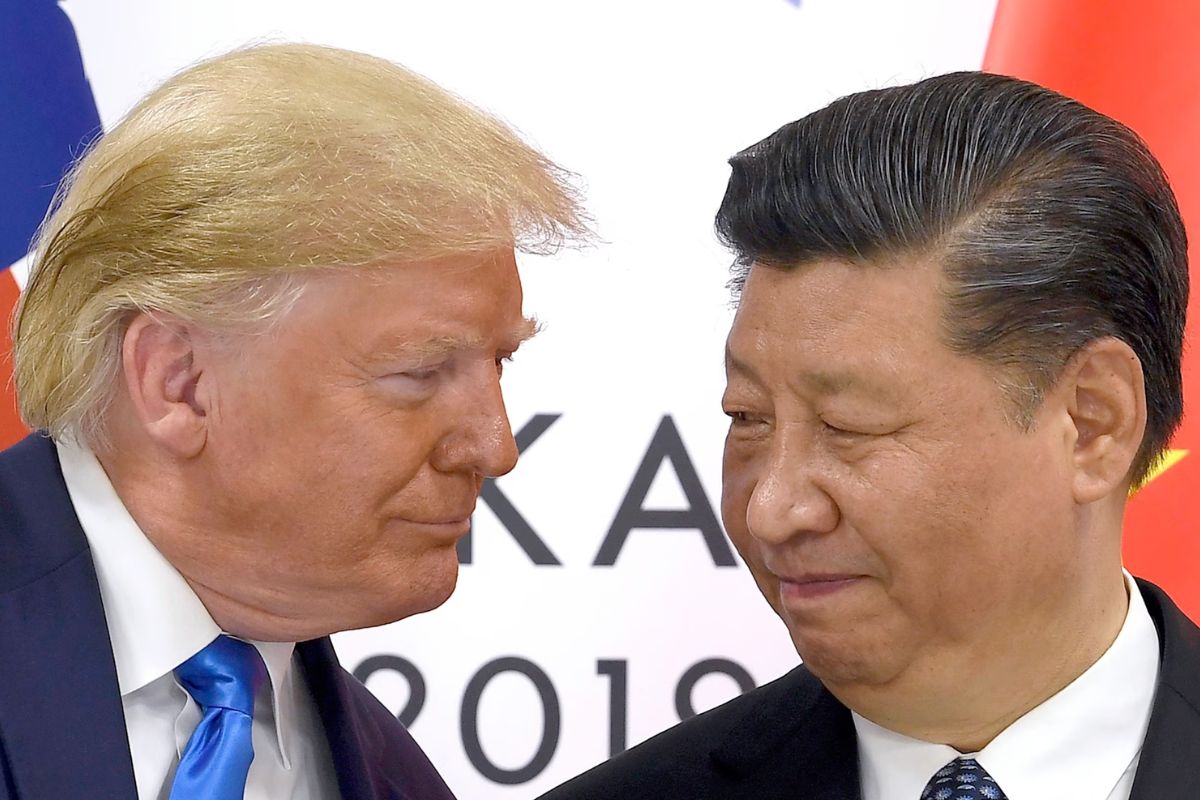

USA And China Resume Direct Negotiations As Tensions Rise Over Fentanyl, Rare Earths, TikTok, And International Trade
The President of the United States, Donald Trump, and Chinese leader Xi Jinping are meeting this Thursday (30) in South Korea, in one of the most awaited meetings since Trump returned to the White House. The meeting comes amid a trade war that reignites the political and technological confrontation between the two largest economies on the planet, now intertwined with new disputes involving synthetic drugs, strategic minerals, and digital platforms.
Behind the scenes, American and Chinese diplomats are working on a tight schedule. The deadline of November 10 for a tariff truce is approaching, and both countries are trying to avoid a new round of retaliations that could affect global supply chains. The expectation is for specific advances, but the atmosphere is one of distrust and strategic calculation, especially considering the electoral and economic impact of each public gesture.
Trade War And Tariffs At Risk Of New Escalation
Since February, the USA has maintained average tariffs of 20% on Chinese products, initially linked to the fight against fentanyl.
-
Brazil’s Imigrantes Highway Celebrates 50 Years with Plans for Major Expansion, Including a 6 km Tunnel and Third Lane to Ease Traffic to São Paulo’s Coast

-
Brazilian Job Market Surprises: Unemployment Falls to 5.6%, Hits Record Low for May, Brazilian Incomes Rise, and Underemployment Reaches Lowest Level Ever Recorded by IBGE

-
Chinese E-commerce Giant Predicts Robots Will Replace 700,000 Delivery Workers as Autonomous Vehicles Expand to 200 Cities, Offering Training for Workers to Maintain Their Machines

-
Trump warns Europe with 100% tariff threat on digital tax, potentially impacting wine and trade agreements


Trump accuses Beijing of failing to curb the shipment of the synthetic drug that causes thousands of overdose deaths in the United States, while China claims to have tightened control over illegal laboratories.
The deadlock has turned the public health issue into a bargaining chip in trade negotiations.
Additionally, Trump has promised tariffs of up to 100% on new categories of Chinese products starting November 1, if the meeting does not yield concrete results.
In response, Beijing imposed unprecedented restrictions on the export of rare earths, essential minerals for the manufacturing of chips, electric motors, and armaments.
This measure directly affects American and European companies dependent on these inputs.
Rare Earths And Technological Dependency
China dominates over 90% of global rare earth processing, making it a key player in the technological dispute.
The restriction imposed by Beijing is viewed in Washington as a show of strength and a political warning.
Without stable access to these minerals, the USA faces limitations in strategic sectors such as semiconductors and national defense.
The Trump administration, in turn, is trying to accelerate agreements with allied countries to diversify the supply of these resources, including Australia and Canada.
However, experts warn that logistical repositioning will take years.
The topic is expected to be central in the Seoul negotiations, alongside discussions on technological controls and artificial intelligence chips.
TikTok, Soybeans, And Russia In The Global Landscape
Among the parallel topics, the fate of TikTok emerges as one of the most symbolic points.
Trump is pushing for the sale of the platform’s assets in the USA to American companies, citing national security risks.
Sources close to the White House indicate that an agreement may be announced during the meeting.
Another impasse involves the total suspension of Chinese imports of American soybeans since May, which has increased discontent among rural producers in the USA.
Trump tries to link the resumption of purchases to technological and energy concessions.
In the strategic discussions, Washington is also seeking to involve Xi in peace negotiations for Ukraine, leveraging Beijing’s close relationship with Moscow.
The American president believes that China can pressure Vladimir Putin to accept a partial ceasefire, offering tariff relief in return.
Containment, Taiwan, And New Geopolitics
For Beijing, the focus goes beyond tariffs. Xi Jinping accuses the USA of trying to contain China’s rise and limit investments in technology companies.
The Chinese leader demands an end to restrictions on American capital investments in sectors like energy, defense, and telecommunications.
The agenda regarding Taiwan also returns to the table. China pressures Washington to abandon its “non-support” policy for the island’s independence and adopt an explicit position of “opposition” to Taiwanese sovereignty.
Although unlikely, any gesture from the USA in this regard would be interpreted as a diplomatic victory for Xi.
The meeting between Trump and Xi takes place on the sidelines of the Asia-Pacific Economic Cooperation (APEC) CEOs summit and represents the first in-person contact between the leaders since 2019, at the G20 in Osaka.
Diplomats expect a joint statement, even if symbolic, on the resumption of dialogue.
Despite the pragmatic tone, analysts believe that the dispute between Washington and Beijing is structural and will extend over the coming years, crossing economic, technological, and military themes.
What is at stake is the global leadership in the digital economy and in the infrastructure of the 21st century.
How do you evaluate this attempt at rapprochement between the two powers? Do you believe in real advancements or just a temporary truce?