






 Portuguese
  Spanish


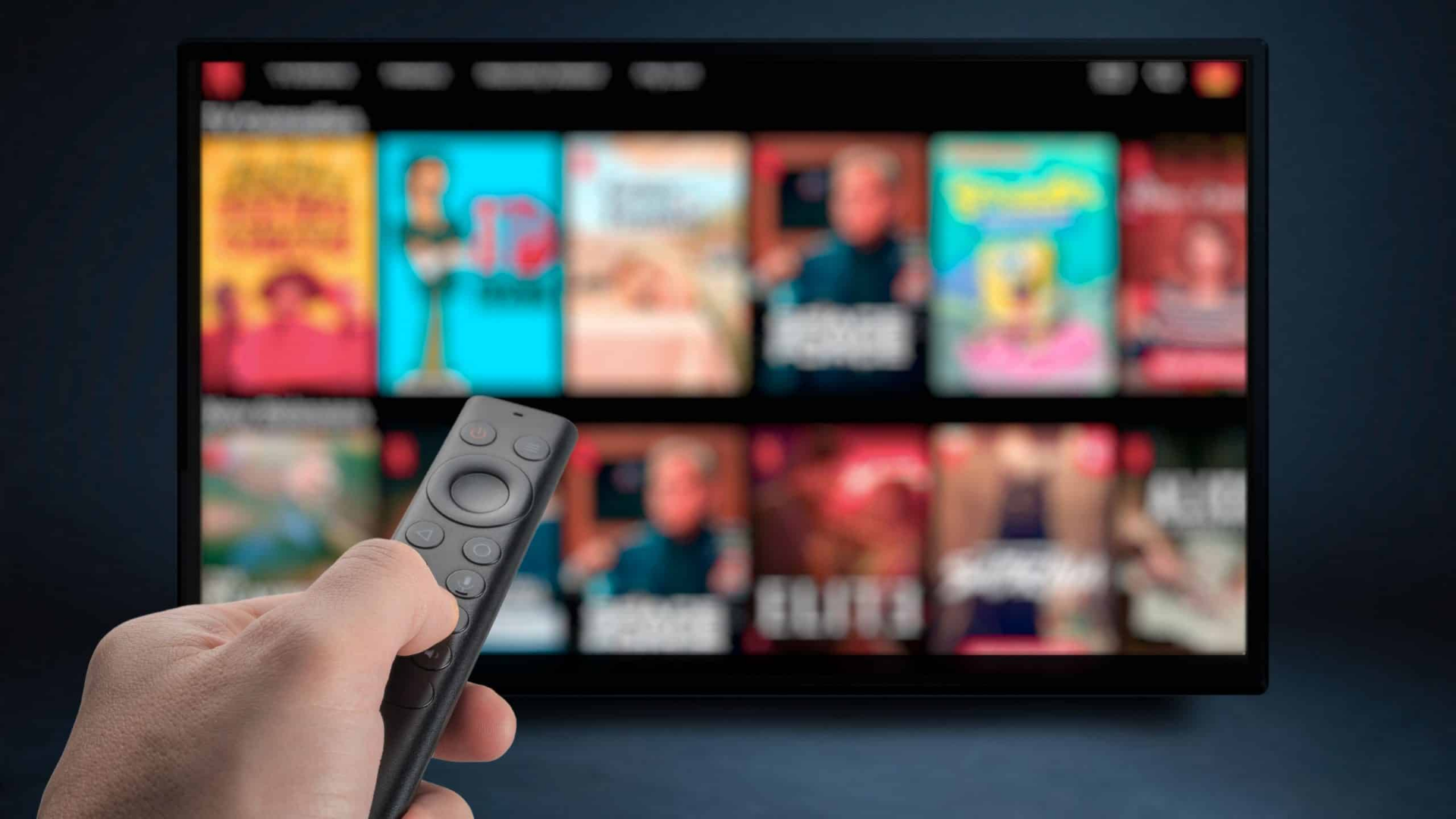


Discover How TV 3.0 Promises to Revolutionize the Viewer Experience with 4K Content, Interactivity, and New Forms of Advertising!
On Wednesday (3), The Minister of Communications, Juscelino Filho, officially announced the new standard of Brazilian TV, named TV 3.0, according to the website olhardigital.
The goal of this new technology is “to revolutionize the sector with the complete integration of TV channels with the internet.”
But what does this change really mean and how will it work in practice?
-
Seen from space, an astronaut captures in Canada a geometric carpet of crops drawn over the backdrop of a ghost lake that disappeared 12,000 years ago, was once larger than all the Great Lakes combined, and left a scar of fertile mud that still sustains agriculture.

-
Billionaire says the most valuable skill will help overcome job elimination caused by AI, following Bill Gates’ fears

-
A Dutchman created a ‘box’ that makes trees grow in the desert almost without water and without irrigation: the invention has already brought seedlings to dozens of countries and achieves up to 90% survival where common planting did not exceed 10%.

-
Abandoned warehouse hid a giant collection of rare computers, with over 2,000 artifacts from the 1930s to the 1980s.




Let’s explore all the details of this innovation that promises to transform the way we consume content.
What Is TV 3.0?
TV 3.0 is a significant evolution compared to the current digital TV.
Its main goal is to maximize interactivity between open TV broadcasters and their audiences.
This means that in addition to watching traditional programs, viewers will be able to access content via streaming, participate in interactive games, and have access to a range of services that go beyond linear programming.
Imagine being able to interact with a cooking show while watching, sending your questions live or even choosing the ingredients that the chef should use!
Broadcasters will also be able to develop their own applications for Smart TVs, which represents a shift in how we organize content.
Instead of navigating through channel numbers, we will be able to directly access the broadcasters’ applications, making the experience more fluid and personalized.
And don’t worry, an internet connection will not be required to receive the signal of TV 3.0.
Improvements in Image and Sound Quality
One of the highlights of TV 3.0 is image quality. Current digital TV is limited to broadcasts in Full HD (1080p), but the new technology will allow content in 4K and even 8K, if the transmission is watched via the internet.
This means that the clarity and definition of images will be unparalleled, providing a cinematic experience in the living room.
Additionally, HDR (High Dynamic Range) technology will be implemented, allowing colors to be more vibrant and contrasts more defined.
And it doesn’t stop there: TV 3.0 will also provide immersive sound, allowing viewers to choose between hearing only the singer’s microphone or amplifying the sound of the audience.
This creates a more engaging experience, especially during live events such as concerts and sports competitions.
The Interactivity That Is Here to Stay

We are facing one of the most anticipated revolutions in the TV sector, which seems even more significant than the transition from analog to digital.
TV 3.0 represents the definitive integration between free and open television and the internet.
This means that all advancements in terms of image and sound will be available on open TV for the public, and interactivity with the internet will be an additional feature, without requiring everyone to have access to the network.
Have you ever imagined how it would be to watch a show and, at the same time, participate in polls or vote on decisions that affect the outcome of a reality show?
This is one of the promises of TV 3.0.
The idea is to bring the viewer closer to the content, making them an active part of the programming, not just a passive spectator.
This change could create a new form of engagement, where the audience has the opportunity to influence what they are watching.
The Impact on TV Broadcasters
Broadcasters will also benefit financially from TV 3.0, which could help recover lost revenues due to the growth of streaming services and social media.
Interactive advertising will be one of the monetization methods, allowing for a more engaging approach with the audience.
With the possibility of targeting, broadcasters can run personalized ads, increasing the effectiveness of advertising campaigns.
Another possibility offered by the new technology is the integration of direct purchases via TV through ads or integrated apps.
This could hark back to previous experiences of closed TV, where subscribers had access to purchases through programming, but now it will be expanded to a broader audience.
In addition, the Ministry of Communications emphasizes the opportunity for partnerships and sponsorships with brands.
Programs could have specific sponsorships, as already occurs in some productions, and even create exclusive content to promote products and services.
Imagine a cooking show where the utensils used can be purchased directly from your TV screen!
Implementation of TV 3.0
The implementation of TV 3.0 is scheduled to begin in 2025, focusing on major Brazilian cities.
Universities and industry partners are developing the technological standards that will be integrated into future TVs.
This is necessary because current TVs do not support TV 3.0.
The migration will be gradual, similar to what happened in the transition from analog TV to digital. Initially, there will be the arrival of TVs prepared for TV 3.0 through external converters, which will also be made available for free to low-income families, following the successful model of the previous migration.
Testing and Development
To ensure that TV 3.0 is developed correctly, the Ministry of Communications has established that Anatel allocate VHF high-frequency (174-216 MHz) and UHF (470-608 MHz and 614-698 MHz) bands to sound and image broadcasting services.
The Brazilian Digital Terrestrial TV System Forum (SBTVD) is currently in the final testing phase of the proposed technologies for TV 3.0, with completion scheduled for December of this year.
After this period, the test results will be evaluated and submitted by the GT TV 3.0 along with recommendations for the adoption of the technological standard.
More than 20 organizations are competing to provide their technology, with the US and Japan leading the competition, although the government is also considering the possibility of a hybrid system with European models for transmission on mobile devices.
The Future of TV in Brazil
With TV 3.0, the future of television in Brazil looks promising.
The expectation is that this new technology will bring a richer and more interactive experience for viewers, uniting the best of traditional TV with the most modern connectivity of the internet.
This advancement not only democratizes access to information and entertainment but also promotes a new era of engagement between broadcasters and the audience.
As TV 3.0 approaches, it’s interesting to think about how this will affect our content consumption habits.
Are you excited for this new phase of Brazilian TV?
Leave your thoughts and comments below! Your participation is essential to understand how this revolution will be received.





A transição da TV 2.0 para a TV 3.0 não pode ser igual à da analogica(Tv de Tubo, convencional) para a TV digital 2.0.
Em 2005 a internet banda larga era insuficiente no Brasil(Alem de cara, era de baixíssima qualidade). E não havia ainda disponível no mercado hardwares e softwares, a um preço acessível, para montagem dos dispositivos de interação. Nos EUA, na Ásia e na Europa, eram relativamente populares.
Mas no Brasil os preços ainda eram quase proibitivos
Minha tv é 4k HDR ano 2022com essa mudança terei que trocar de tv?