





 Portuguese
  English
  Spanish
  4 min of reading
  0 comments


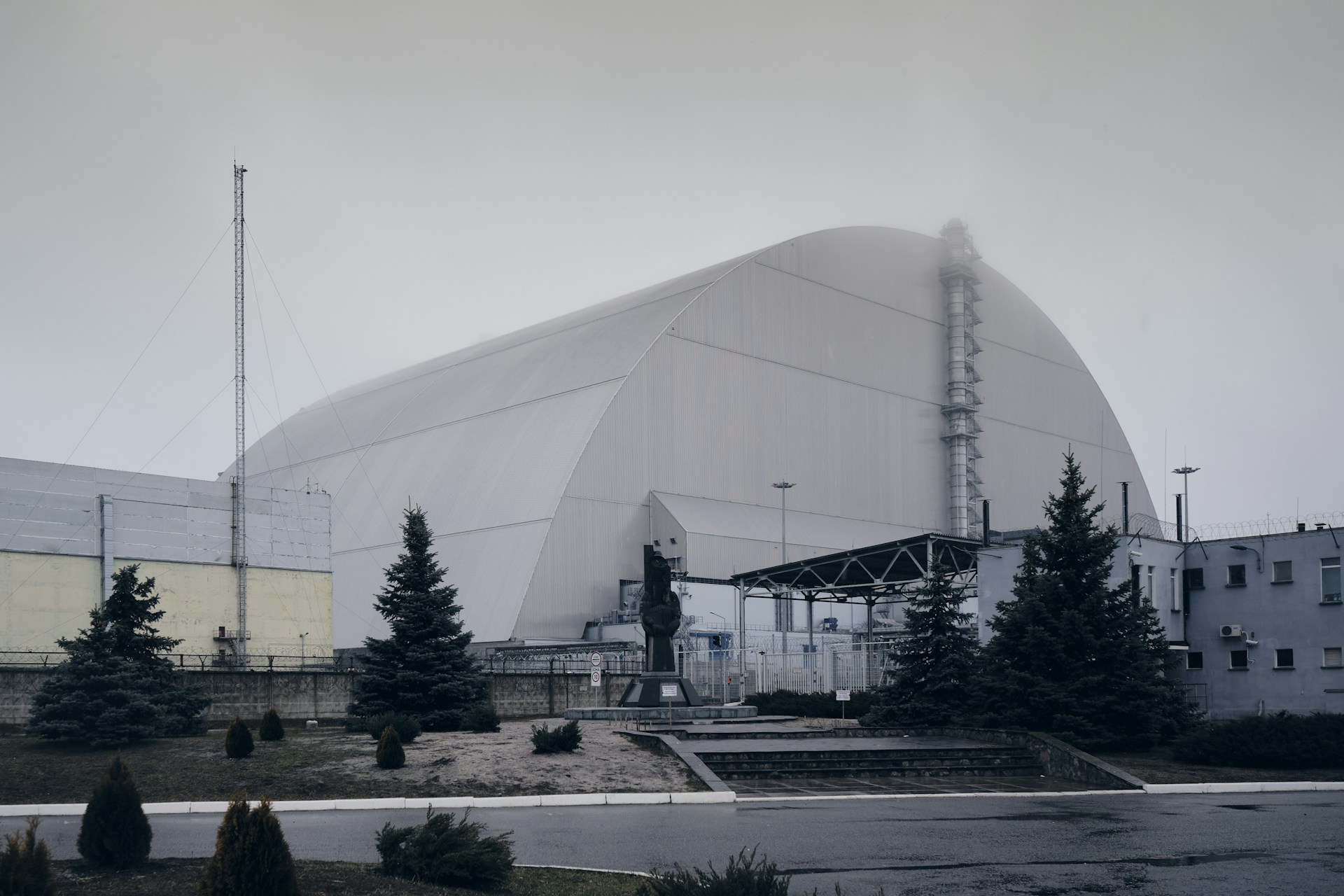
Know The Story Of Vasily Ignatenko, The Young Firefighter Who Sacrificed His Life During The Chernobyl Nuclear Accident, And The Impact That His Trajectory Left For The World
On April 26, 1986, the accident at the Chernobyl Nuclear Power Plant changed the course of history in the former Soviet Union. During a safety test at Reactor 4, a mistake in the operation of the control rods caused a devastating explosion. The nuclear reaction went out of control, releasing excess radioactive material.
The disaster caused outdoor fires and contaminated areas in Ukraine, Belarus, Russia, and Western Europe. The spread radiation affected thousands of people, and the Chernobyl Exclusion Zone remains virtually uninhabited to this day.
The Beginning Of The Tragedy
The explosion of Reactor 4 occurred during the night at 1:23 AM. The control rods, instead of containing the reaction, intensified the nuclear fission. The result was a steam explosion that launched the reactor’s upper lid into the air.
-
Toyota embarrassed: car from the brand receives zero safety rating even with airbags and stability control; naturally aspirated 1.5 hatch with up to 105 hp had structure considered unstable and insufficient protection for head and chest.

-
Coal mine explodes in China with 247 workers underground, leaving 90 dead and mobilizing rescue in Shanxi

-
Military rescuer dies during extreme operation in the Maldives after tragedy with Italian divers in high-risk underwater cave

-
Solar-powered plane crashes into the sea after facing bad weather: the Solar Impulse 2 became known for circumnavigating the world using only solar energy.




Immediately after the explosion, the plant’s management activated emergency teams. Firefighters and plant workers, unaware of the radiation’s severity, rushed to fight the fires. Among them was Vasily Ignatenko, a firefighter from Paramilitary Brigade No. 6 in Pripyat.
Vasily Ignatenko
Born on March 13, 1961, in Spiaryžża, Belarus, Vasily was a firefighter working in Pripyat. On the night of the accident, he was called just minutes after the explosion and was part of the first team sent to contain the fires.
He was assigned to work on the roof of the ventilation building and in block 3, near the destroyed reactor. Alongside colleagues like Vladimir Tishura, Nikolai Titenok, and Nikolai Vashchuck, he climbed to the top of the building using the external ladder. With no access to internal piping, they improvised by bringing hoses to the top of the building.
There, they were directly exposed to radiation. They walked over radioactive debris and inhaled contaminated smoke. Shortly after, Vasily and his colleagues began to feel the effects of acute radiation syndrome, experiencing vomiting and extreme weakness.
Hospitalization And Death
Vasily was taken to the Pripyat hospital around 2:35 AM. From there, he was transferred to Moscow and admitted to Hospital No. 6, which specialized in radiological treatments.
On May 2, he underwent a bone marrow transplant donated by his older sister. Natasha, his 13-year-old younger sister, was considered the ideal donor but refused the procedure. The transplant failed. Vasily developed severe infections, skin necrosis, and organ failure.
His wife, Lyudmilla, witnessed all the suffering in the hospital. In accounts published in the book “Voices from Chernobyl” by Svetlana Alexievich, Lyudmilla described her husband’s terrible conditions.
Vasily died on May 13 at 11:20 AM, at the age of 25. He was buried with military honors in the Mitinskoe Cemetery in Moscow, inside two coffins: an internal one made of zinc and an external one made of wood, due to the radioactivity still present in his body.
Lyudmilla And The Loss Of The Daughter
Lyudmilla was pregnant when she decided to stay by Vasily’s side during his hospitalization. After her husband passed away, she gave birth to a girl, Natasha, who was born with severe malformations and died shortly after.
According to Lyudmilla, doctors claimed that Chernobyl patients did not transmit radiation after bathing and changing clothes. However, she believed that her husband’s radiation was transmitted to their daughter.
Tributes And Legacy
Vasily Ignatenko was posthumously awarded the Order of the Red Banner of the USSR and, in 2006, with the title of Hero of Ukraine and the Order of Courage.
His name is honored in streets in Minsk and Berezino. There are also monuments in his memory in Brahin and Berezino, places that maintain exhibitions about his story.
His life and sacrifice were depicted in the miniseries “Chernobyl,” released by HBO in 2019. In the production, Vasily is portrayed by Adam Nagaitis, while Lyudmilla is played by Jessie Buckley. The series dramatized the events based on real accounts, although it included some creative liberties.
Controversy After The Miniseries
In 2020, Lyudmilla stated to the BBC that she was not consulted about the production of the series and faced harassment after its airing. Journalists reportedly visited her home without permission to obtain interviews. According to her, she was also blamed for her daughter’s death in public comments.
Lyudmilla reported receiving a payment offer of US$ 3,000, with no clear explanation of the reason. Suspicious, she declined the amount.
HBO and Sky denied the accusations, stating that they tried to contact Lyudmilla several times and sought to portray the story with respect and authenticity.
The Chernobyl Disaster
The Chernobyl accident is considered the worst in nuclear history, both in human and environmental impact. The explosion widely contaminated the area, resulting in numerous deaths, diseases, mass evacuations, and an exclusion zone that remains to this day.
Even 39 years later, the name of Vasily Ignatenko remains a symbol of courage and sacrifice in the face of one of the greatest tragedies of the 20th century.
With information from Adventuras na História.






-

1 person reacted to this.