






 Portuguese
  Spanish


Evaluation conducted by Global NCAP on a subcompact widely sold in South Africa exposes serious structural safety issues and insufficient occupant protection in the event of a collision, a result that directly contradicts the global reputation for quality and reliability associated with the Japanese automaker.
The Toyota Starlet, a subcompact manufactured in India and widely marketed in South Africa as one of the most popular models in the local market, received zero stars in the adult occupant protection assessment conducted by Global NCAP, an independent international entity dedicated to evaluating vehicle passive safety in different markets around the world.
The result is particularly noteworthy because it contrasts with the image of quality and reliability that Toyota has built over decades in the global automotive market, highlighting the significant differences in safety standards required in different regions of the world, where legislation varies significantly and, in many cases, remains insufficient to adequately protect local consumers.
In the tests conducted by Global NCAP, evaluators identified that the foot area and the body of the Starlet were unstable and unable to withstand additional loads in the event of a frontal collision, a serious structural problem that can directly compromise the survival and physical integrity of occupants in high-energy frontal impact traffic accidents.
-
Sales of Brazil’s Cheapest Electric Car Halted Before First Deliveries: E-Motors Suspends Emova Easy Due to Import Tax Increase and Rising Freight Costs

-
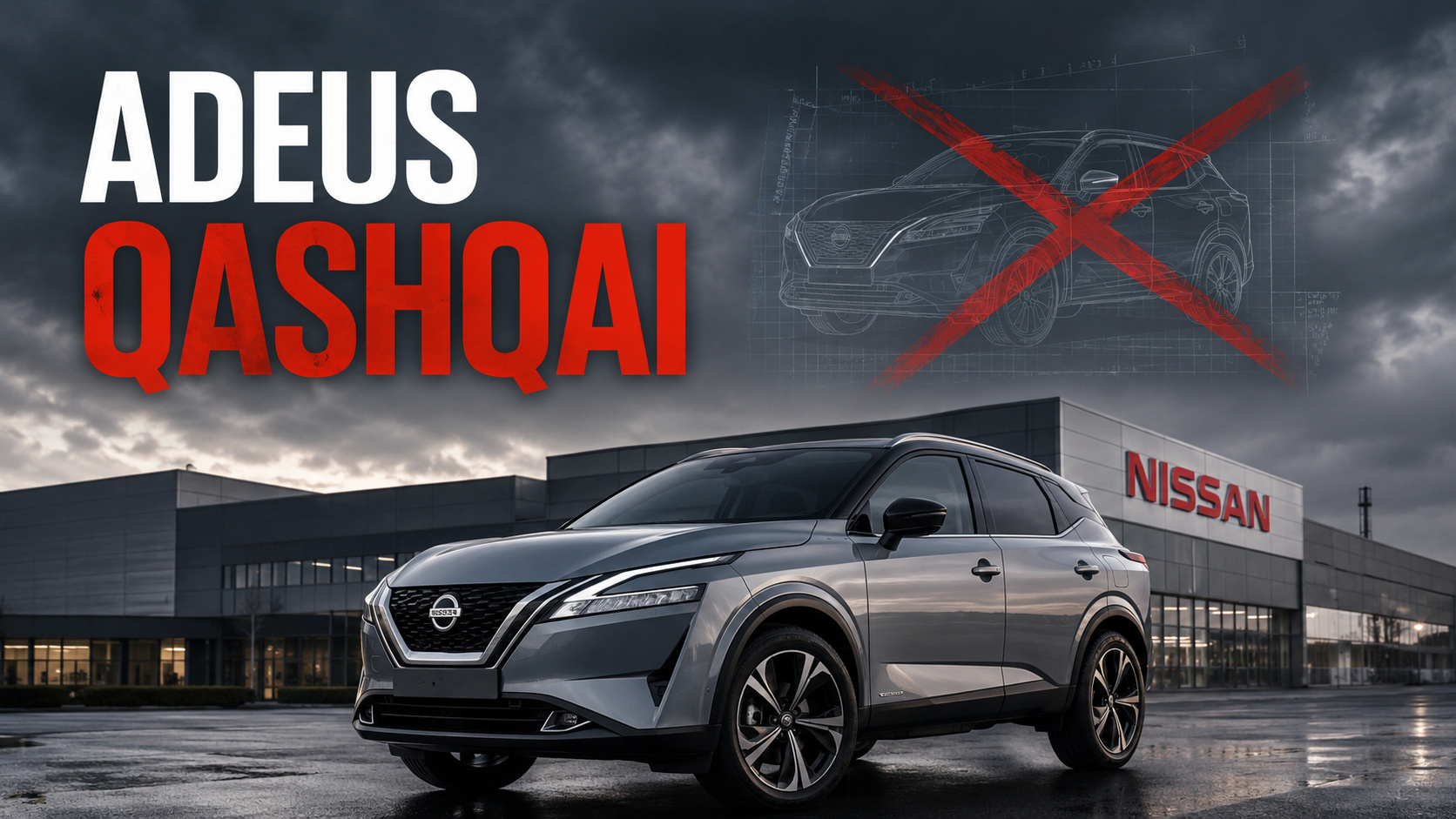
Nissan Discontinues Qashqai SUV Amid Cost-Cutting, Chinese Competition, and Product Line Review

-
BYD Patents Revolutionary System Using Computer Vision to Detect Animals Under Cars Before Starting, Preventing Tragedies

-
Study Reveals Why Cars Are More Expensive to Produce and Buy in Brazil Compared to Mexico, Highlighting Taxes, Logistics, and Industrial Costs as Key Factors.



In the side impact test, the results were equally concerning, with the head and chest protection of the occupants being classified as insufficient by the evaluators, while only the abdominal protection was considered adequate, highlighting significant structural failures in the vehicle’s ability to protect occupants in side collisions, a common type of accident at urban intersections.

The side pole impact test, one of the most severe in the Global NCAP protocol, was not even completed because the Starlet does not come with side head protection airbags as standard equipment, which led the entity to halt the evaluation of this aspect for safety reasons and to maintain the integrity of the test protocol established for this modality.
Despite the zero-star result for adult protection, the Starlet received three stars in the child safety assessment — an apparent contradiction that nonetheless does not eliminate the evaluators’ concerns, as during the tests the head of the dummy representing a three-year-old child made contact with parts of the vehicle’s interior and the chest protection was rated as insufficient.
Toyota’s Reaction and the Updated Version of the Model
Upon being notified about the test results, Toyota adopted a defensive stance, publicly criticizing the Global NCAP’s methodology and stating that the version tested by the entity was obsolete and did not represent the model currently marketed in the South African market, where an updated version of the Starlet would already be available at dealerships with superior safety specifications.
The Global NCAP revealed that it acquired the vehicle anonymously from a dealership, without identifying that the objective was to subject it to safety tests, but was informed that the model was being updated only after the evaluation process was completed, which led the entity to acquire a new unit of the updated model to repeat the tests at a future date.
The updated version of the Toyota Starlet now includes side, head, and body airbags as standard equipment, a significant change from the tested model, which only had front airbags for the driver and passenger, highlighting that Toyota itself implicitly acknowledged the insufficiency of the passive safety level of the model in its original configuration in the South African market.

It is worth noting that the Starlet shares exactly the same platform as the Suzuki Baleno, being produced in the same Indian factory with only aesthetic differences between the two models, which raises questions about the Baleno’s safety results in similar evaluations and about the manufacturers’ responsibility to ensure minimum protection standards in all global markets.
Entity’s Criticisms and Impact on the Global Safety Debate
Richard Woods, Executive Director of Global NCAP, did not spare criticism of Toyota nor the South African regulatory context when releasing the results, classifying the outcome as shocking and warning of the risks posed by such a popular vehicle being sold without the minimum safety standards that would be required in markets with stricter regulations.
“This zero-star result from Toyota is shocking; the Starlet, one of the most popular cars sold in South Africa, showed an unstable body, as well as inadequate head and chest protection, which is a serious concern,” stated the executive, emphasizing that no consumer should be exposed to avoidable risks due to the lack of adequate regulation in the country where they purchase their vehicle.
Woods also pointed out that the problem is amplified by the fact that the Starlet is widely used in rental car companies and corporate fleets in South Africa, which multiplies the number of people exposed to the risk, as passengers who did not choose the vehicle — tourists, corporate clients, and workers — end up equally exposed to the structural deficiencies identified in the tests.
“Safety equipment and vehicles manufactured with high structural safety standards should never be optional or a feature reserved for markets outside Africa, nor should manufacturers hide behind the unfortunate lack of strict vehicle safety legislation in the country,” the executive added, directly criticizing the practice of offering less equipped versions in markets with less demanding regulation.
The case of the Toyota Starlet reignites the debate on the need for global harmonization of minimum vehicle safety standards, especially in emerging markets where the lack of strict legislation allows manufacturers to market versions with a lower level of safety equipment than those sold in developed countries, creating a disparity that puts consumers at risk due to their geographical location.







