






 Portuguese
  Spanish


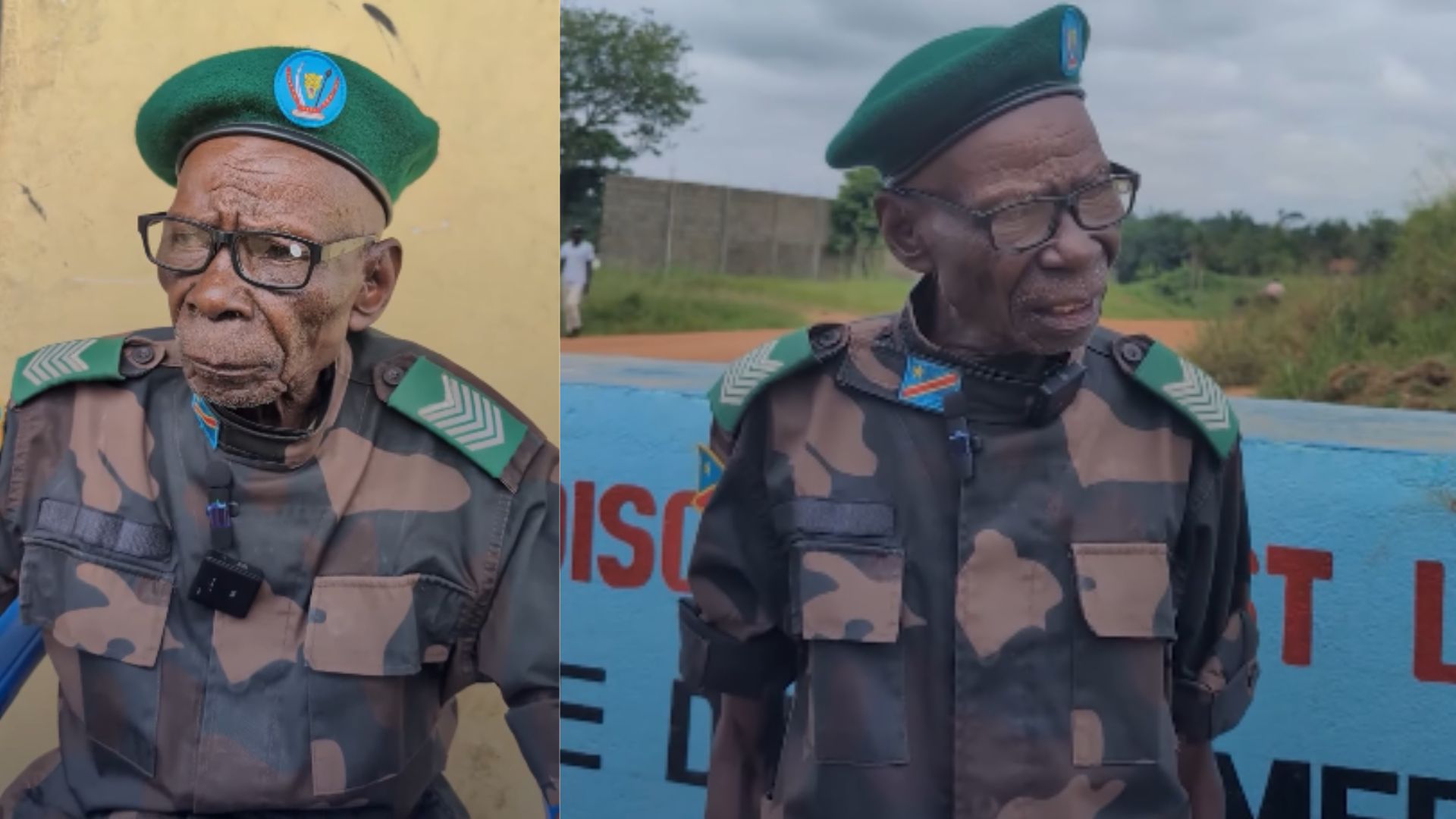

After Joining The Armed Forces In 1947, Sergeant Major Alfani Luhembwe Crossed Wars, Regime Changes, And Decades Of Political Instability, But Today He Fights For The Right To Rest And Minimum Survival Conditions
At 102 years old and after 78 uninterrupted years of military service, Sergeant Major Alfani Luhembwe has become the center of a rare and symbolic appeal in the international military landscape. Still officially linked to the Army of the Democratic Republic of Congo, the veteran now requests something basic: retirement, dignity, and a safe place to live in his final years of life.
The information was released by international media outlets covering military and humanitarian issues in Africa, according to reports published by specialized sites and channels documenting extreme stories of war veterans. The case quickly drew attention for exposing a little-discussed reality in countries marked by decades of continuous armed conflicts.
Despite his centenarian age, Luhembwe surprises with his firm posture and mental clarity. According to reports, he maintains an upright posture, lucid reasoning, and preserved memory, characteristics that contrast with his advanced age and reinforce the symbolic impact of his story within the Congolese armed forces.
-
Billionaire says the most valuable skill will help overcome job elimination caused by AI, following Bill Gates’ fears

-
A Dutchman created a ‘box’ that makes trees grow in the desert almost without water and without irrigation: the invention has already brought seedlings to dozens of countries and achieves up to 90% survival where common planting did not exceed 10%.

-
Abandoned warehouse hid a giant collection of rare computers, with over 2,000 artifacts from the 1930s to the 1980s.
-
Scientists warn that melting ice is triggering an alarming chemical transformation in preserved areas, and the first signs are already concerning researchers worldwide.




A Trajectory Begun In 1947 Marked By Wars, Rebellions, And Political Instability
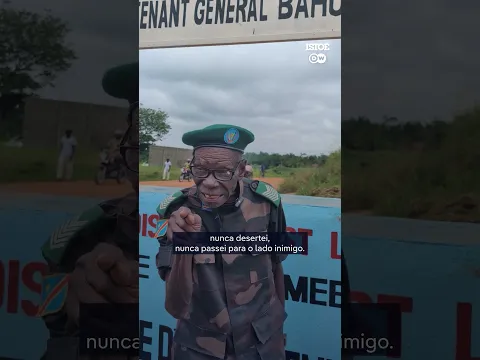

The trajectory of Alfani Luhembwe began in 1947, still during the colonial period, when the country was known as Belgian Congo. Since then, his career has traversed national independence, the transformation of the country into Zaire, and, subsequently, the current Democratic Republic of Congo, one of the most unstable nations on the African continent throughout the 20th century and early 21st century.
Over nearly eight decades, the sergeant major has participated in internal rebellions, armed invasions, regional conflicts, and military uprisings, witnessing regime changes, coups, and civil wars that have shaped contemporary Central African history. Few soldiers in the world have such an extensive military curriculum in terms of duration and diversity of conflicts.
Official documents presented by the veteran himself confirm the start of his career back in the 1940s, reinforcing the legitimacy of his request. These records demonstrate that Luhembwe remained connected to the armed forces even after surpassing ages considered absolute limits for active service in practically all militaries around the world.
The Retirement Request That Exposes Structural Failures In The Military System
However, more than an impressive individual story, Alfani Luhembwe’s case exposes administrative and social fragilities common in countries subjected to prolonged wars. In contexts like the Democratic Republic of Congo, systems of dismission, retirement, and veteran assistance are often neglected or simply nonexistent in an effective manner.
The sergeant major’s request is not limited to formal leave from service. He seeks minimum survival conditions, including a house, basic assistance, and institutional recognition for the time dedicated to the State. After nearly 80 years serving the country, Luhembwe claims he has no material guarantees to navigate old age safely.
Even without the formalization of his reserve status, colleagues and superiors treat him as a symbol of discipline, resilience, and military loyalty. The fact that he still appears as “active” at 102 years old is considered a rare case in the history of the world’s armed forces, reinforcing the exceptional — and at the same time concerning — nature of the situation.
The quest for retirement and dignity now echoes beyond the borders of Congo. Alfani Luhembwe’s appeal serves as an international alert about the fate of soldiers who dedicate their whole life to war and, in the end, remain invisible to the very State they defended.
Source: Istoé





