






 Portuguese
  Spanish
  2 min of reading
  1 comment


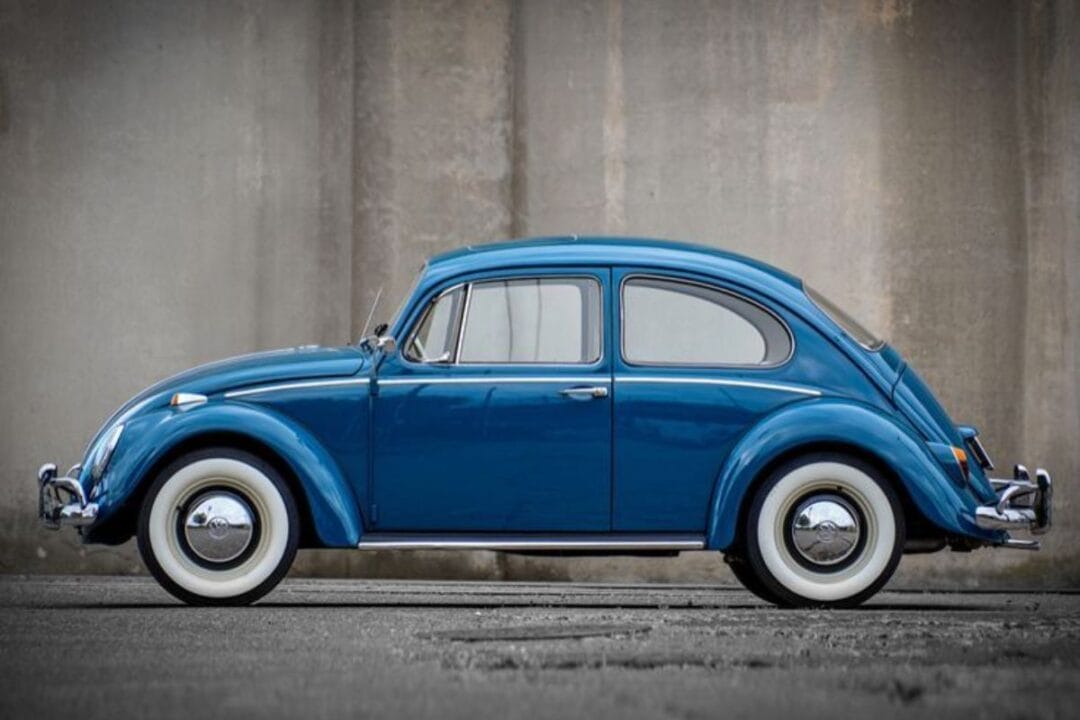


With Rear Air-Cooled Engine, Simple Maintenance and Robust Design, the Model Became a National Icon and Remains Alive in Automotive Culture
The Volkswagen Beetle is a landmark of the global automotive industry and, especially, Brazilian. Created in the 1930s by Ferdinand Porsche, the model was designed to be accessible, durable, and easy to maintain. These qualities transformed it into the symbol of individual mobility during the 20th century.
In Brazil, the Beetle started being manufactured soon after World War II and quickly took to the streets. Its simple and reliable mechanical design placed it at the top of sales for years, becoming the first car for many families and a true heritage on wheels.
Rear Air-Cooled Engine Gave Fame of Robustness to the Beetle
The big differentiator of the Volkswagen Beetle was its air-cooled engine, located at the rear of the vehicle. This system eliminated the need for a radiator, water pumps, and hoses, making the setup more reliable on long journeys and in hot climates.
-
Uber Faces Shareholder Scrutiny as Board Accused of Ignoring Safety, Compliance, and Harassment Warnings Amid Over 3,500 U.S. Lawsuits

-
Ferrari’s First Electric Car Divides Fans, Priced at $630,000, Amid Concerns Over Limited Editions; Brand Clarifies It’s Not Just for Future Perks
-
BYD Dolphin Mini: The Electric Car That Defies Depreciation, Losing Only 3.58% in a Year and Becoming the Best-Selling Retail Model Under $22,000

-
Electric Car JAC E-JS4 Loses $19,000 in Value in One Year, Leading Record Depreciation of Used Cars in Brazil Due to Expensive Battery and New Models


This engine could range from 1,200 to 1,600 cc, with power between 36 and 65 hp, depending on the year and version. Despite being modest, it delivered sufficient performance for urban and rural use, with average fuel consumption between 10 and 14 km/l, excellent for the time.
Cheap Maintenance Made the Beetle the Favorite of Mechanics


Another reason for the success of the Volkswagen Beetle was the ease of maintenance. Its parts were simple, cheap, and easy to find. The mechanics were so intuitive that many owners performed small repairs at home, without the help of workshops.
The car’s structure, based on a ladder chassis and independent suspension, allowed the Beetle to handle uneven terrain with more stability than other vehicles in the same category. This made it popular in regions with dirt roads and little infrastructure.
Beetle is a Cultural Icon in Brazil to This Day
More than just a machine, the Volkswagen Beetle became a cultural symbol. In Brazil, it was the best-selling car for decades and is fondly remembered by those who lived through that time. Even today, there are owner clubs, fan gatherings, and restorations that keep the passion for the model alive.
The Beetle teaches an important lesson: the most efficient engineering is not always the most complex. Sometimes, the durable and accessible solution is the one that captures hearts and becomes eternal.





Deviam inovar o vw e continuar fabricando carros refrigerado a ar até ônibus da Magirus era a ar pararam com tudo.