






 Portuguese
  Spanish


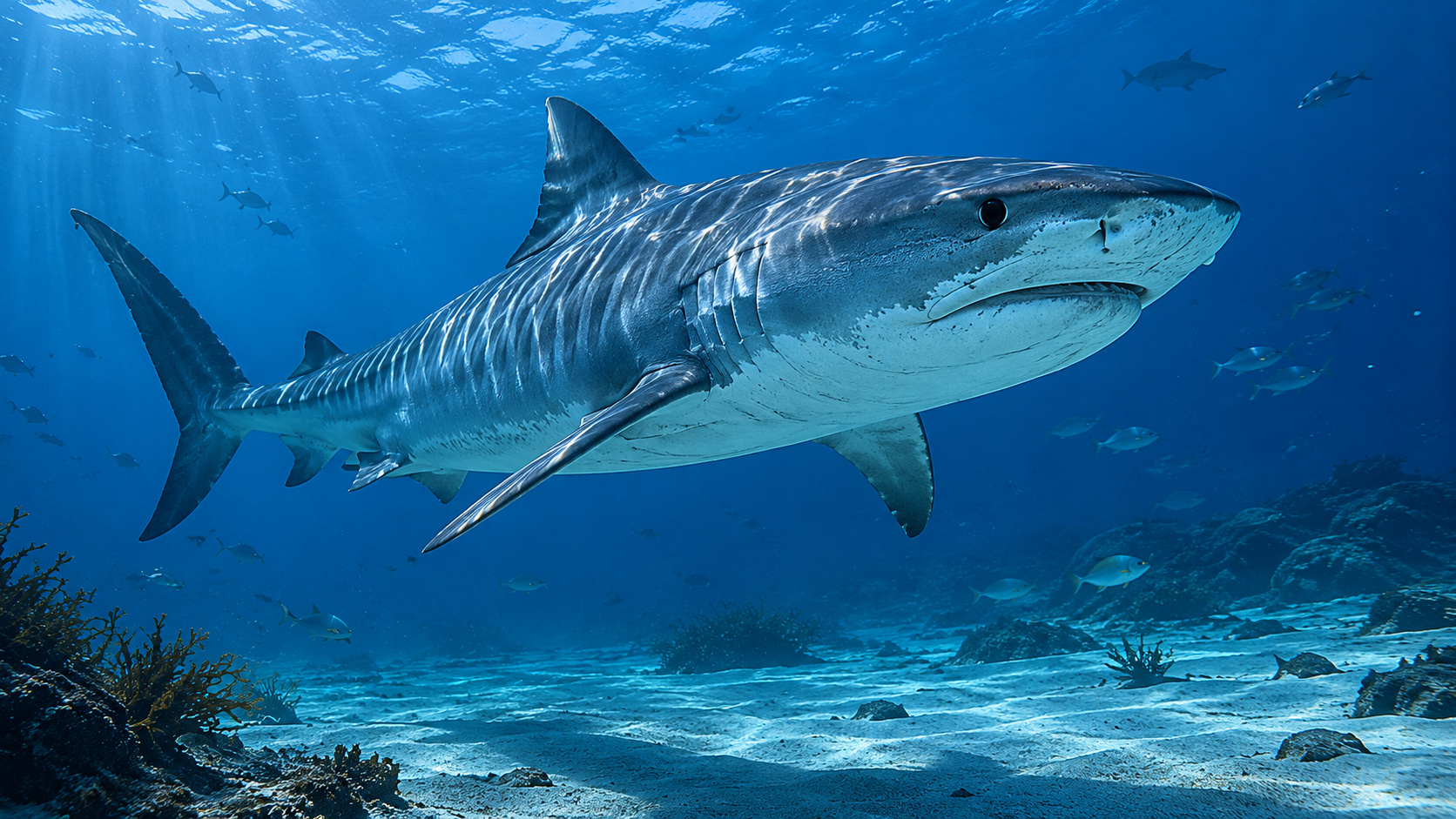
Two attacks recorded in just over 24 hours helped experts explain how environmental factors and natural habits of sharks influence these incidents.
Two shark attacks recorded between May 31 and June 1 have once again drawn attention to the existing risks at certain beaches in Greater Recife.
The young woman Marcela Vitória de Lima Santos, 19 years old, was bitten by a tiger shark on the afternoon of Monday (1st), at Boa Viagem beach, in the South Zone of Recife.
The boy João Lucas Castor Nemezio Sales, 11 years old, suffered a bite from a bull shark on Sunday (31), at Piedade beach, in Jaboatão dos Guararapes.
-
BYD’s Giant Ship Docks in Southern Brazil with 7,216 Electric and Hybrid Cars, Marking the Largest Automotive Operation at the Port in 2026 and Bringing First-Half Total to Nearly 15,500 Vehicles

-
Cuba Implements Sweeping Economic Reforms, Legalizes Holdings and Corporations, Allows Foreign Investment in Private Companies, and Lifts Employee Limits After Over 60 Years
-
8-Year-Old Entrepreneur from Brazil Builds Poultry Business with 80 Birds, Aspires to Study Agronomy at Leading University
-
Couple Transforms School Bus into Mobile Home with Full Bathroom Using YouTube Tutorials, Invests $50,000




Information from the State Committee for Monitoring Shark Incidents (Cemit) indicates that both victims remain hospitalized in serious condition at the Hospital da Restauração.
How experts identified the species
The identification of the animals was carried out by Cemit specialists based on the characteristics of the injuries observed on the victims.
Researcher Mariana Rêgo, a member of the committee and affiliated with the Department of Fisheries at the Federal Rural University of Pernambuco (UFRPE), explained that each species has a specific dentition pattern.
Characteristics of the bite, location of the incident, and animal behavior were also considered during the technical analysis.
The studies indicated the involvement of an adult tiger shark, approximately three meters long, in the incident that occurred at Boa Viagem.
Analyses conducted by the experts identified a bull shark as responsible for the incident recorded at Piedade.
Differences between tiger shark and bull shark
Researchers highlight that the two species have quite distinct habits.
The tiger shark exhibits migratory behavior and travels through different regions throughout its life.
The bull shark, on the other hand, demonstrates more territorial behavior and tends to remain for long periods in specific areas.
There are also differences in feeding habits.
The tiger shark consumes various types of organisms found in the marine environment.
The bull shark primarily focuses its diet on fish and smaller species found in shallow waters.
The dentition also changes significantly between species.
Wide, rounded, and serrated teeth characterize the tiger shark.
Thin, pointed lower teeth, combined with triangular and sharp upper teeth, distinguish the bull shark.
High tide and full moon increased risk conditions
The executive secretary of Cemit, Danise Alves, highlighted that the tiger shark tends to show more activity during periods when the sun is lower.
Early morning and late afternoon are considered times of greater attention for bathers.
Environmental conditions observed during the two incidents also caught the attention of specialists.
Periods of full moon often cause higher tides and more intense waves.
Areas normally protected may remain covered by water during these cycles.
Coastal habits of the two species favor their approach to shallower regions in search of food.

Muddy water hinders visibility and concerns specialists
Data presented by Cemit show that sharks have superior visual capacity compared to humans.
Muddy water conditions reduce visibility and can increase the possibility of incidents.
This scenario frequently occurs during the rainy season in Greater Recife, between the months of March and August.
Specialists explain that reduced visibility interferes with how these predators interpret stimuli present in the water.
Movements and vibrations emitted by bathers can be perceived by animals in low visibility situations.
Prevention remains the main recommendation
Mariana Rêgo emphasized that the tiger shark and the bull shark are considered aggressive species and hold prominent positions in the marine food chain.
Safety guidelines recommend avoiding swimming in the sea during periods of rain, high tide, and low visibility.
Areas without coral reef barriers require even greater attention from visitors.
Signage installed on the beaches is part of the preventive measures adopted to reduce the occurrence of new incidents.
Respecting safety warnings remains one of the main strategies to reduce the risk of encounters between humans and sharks on the Pernambuco coast.
Do most swimmers know all the natural factors that can increase the presence of these predators near the shoreline?







Be the first to react!