Portuguese
  Spanish


New R$ 500 Million Kiln Expands Itambé’s Cement Production in Balsa Nova, Allowing Annual Growth of 600 Thousand Tons and Introducing Sustainable Technologies with the Use of Alternative Fuels Up to 50%.
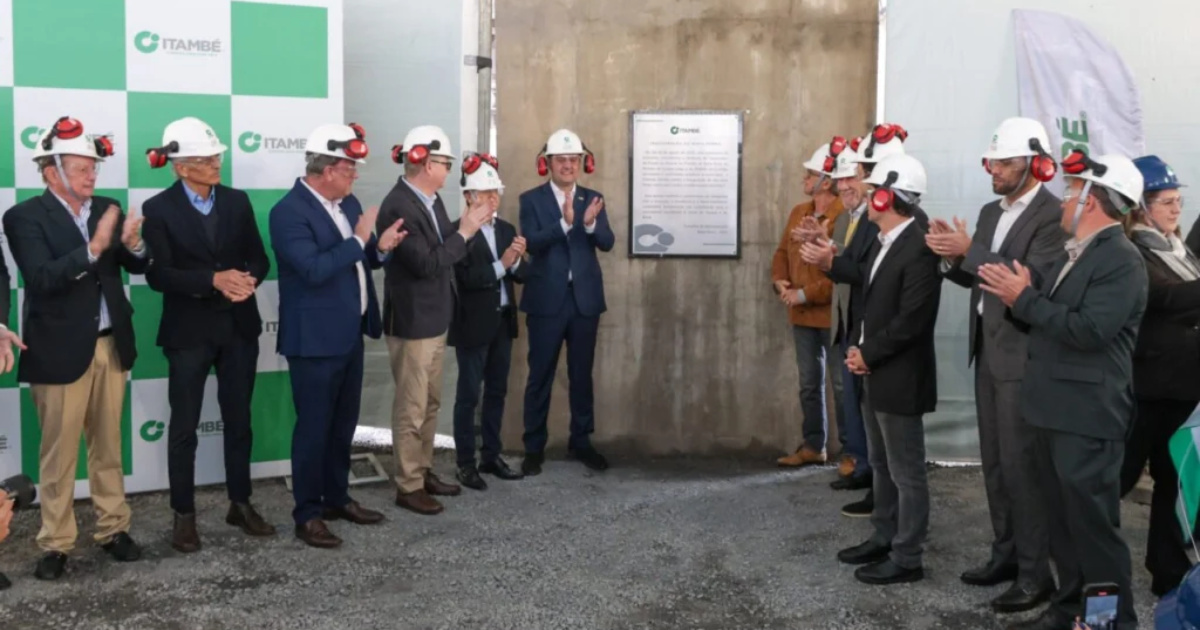
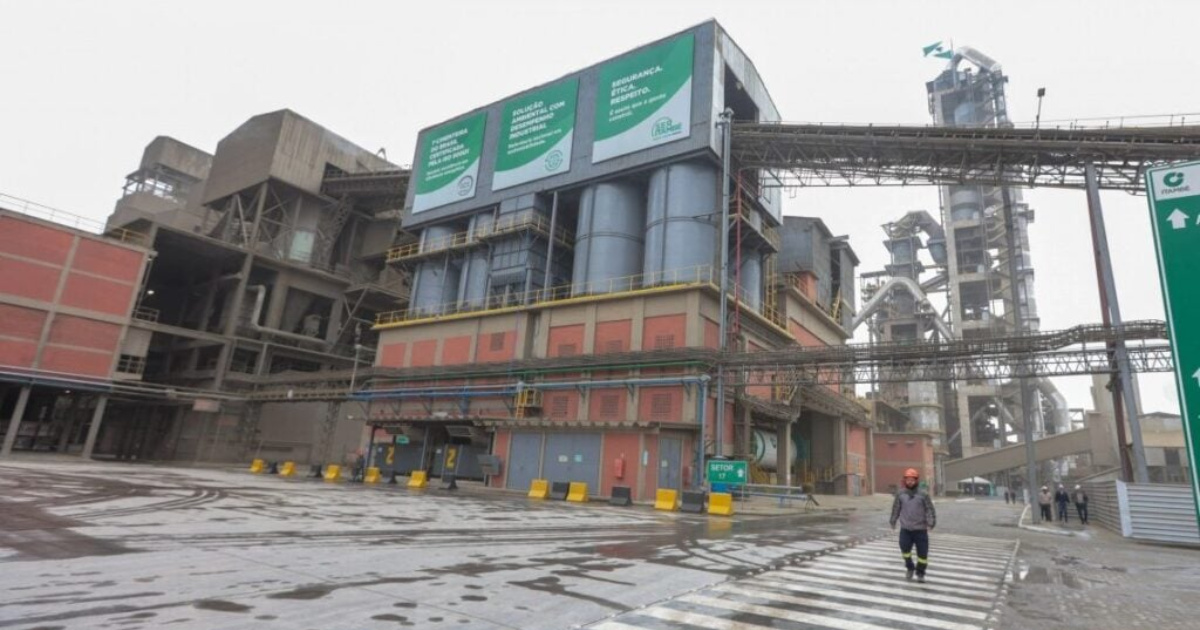
The new kiln at Itambé’s cement plant, inaugurated this Wednesday (20) in Balsa Nova (Metropolitan Region of Curitiba), increases the production capacity of the unit and incorporates more modern environmental standards.
With R$ 500 million invested, the equipment allows an increase of 600 thousand tons per year in cement volume, bringing the annual production to 3 million tons.
Capacity and Industrial Investment
The expansion focuses on clinker, the basic input for cement. The newly activated kiln was designed to increase the availability of this material, sustaining the projected production leap.
-
Brazilian Executive Takes Helm of Heineken Amid Decline in Sales: 51-Year-Old Has Led Operations Across Four Continents and Managed a $7 Billion Empire

-
Brazilian Actress Turns Waxing Clinic into 400-Unit Chain with $50 Million Revenue, Sells Stake After 13 Years
-
Major Company Shuts Down 70-Year-Old Factory in Brazil, Relocating Production and Impacting Over 100 Families
-
Toyota Shuts Down Brazilian Plant After Producing Over 1 Million Vehicles, Plans Special Destination for Final Corolla Produced Following $2.1 Billion Investment and Expansion.


According to the company, the increase would be sufficient to build 350 kilometers of concrete roads or construct 120 thousand low-income houses.
The governor of Paraná, Carlos Massa Ratinho Junior, attended the inauguration and stated that the expansion consolidates the company’s modernization process.
Sustainability and Alternative Fuels
Besides the scale gain, the project was designed with environmental goals.
The new thermal set can operate with up to 50% fossil fuel replacement with alternatives such as biomass and industrial waste.
Itambé reported that the guideline aims to reduce the carbon footprint of the process and align production with circular economy practices.
“This equipment reinforces our commitment to regional supply, industrial innovation, and sustainability,” said the director-superintendent, Alexander Capela Andras.
Employment and Regional Impact
The plant currently employs 1,200 direct employees, many of whom reside in Balsa Nova, Campo Largo, and Curitiba.
The construction of the kiln mobilized around 5 thousand workers among direct and indirect vacancies over two years.
For the mayor of Balsa Nova, Clever Poletto, the presence of the industry positively impacts the local economy.
Business Environment in Paraná
The state government associates investments like Itambé’s with a regulatory environment considered stable for the industry.
According to Ratinho Junior, the simplification of processes and predictability for investors have been decisive for attracting private capital.
Since 2019, companies have invested more than R$ 330 billion in industrial projects in Paraná, according to official data.
Production and Supply
With the new installed capacity, the company plans to increase cement supply in the regional market, reducing the need for long-distance transportation.
The priority, according to management, is to maintain regularity in supply for public and private works, infrastructure, and housing.
Kiln Technology and Operation
The equipment incorporates burning and control systems designed for greater thermal efficiency, a necessary condition to enable the partial replacement of fuels.
The operation was designed to meet the demand increase without compromising the quality of the final product.
Integration with Infrastructure Works
Private investments are accompanied by public works in the metropolitan area. This month, the duplication of PR-423 began, a route that connects Araucária to Campo Largo and crosses Balsa Nova.
The mayor of Campo Largo, Maurício Rivabem, noted that the municipality had more than 250 kilometers of unpaved roads and stated that, with state government funding, the goal is to pave 100% of the territory in the coming years.
Statements from Authorities
During the ceremony, Ratinho Junior highlighted the company’s Paraná roots and recent investments in technology.
“Itambé is a Paraná-based company that has been investing heavily in recent years to achieve greater and more technological production.
As a result, we have greater job generation, higher income, and more development for the region,” he said.
The director-superintendent of the company stated that the industry will continue to innovate with environmental criteria. The Balsa Nova City Hall also highlighted the impact of jobs and revenue in the city.
With the inauguration of the new kiln, cement production scales up, while governments and municipalities emphasize the convergence between industrial expansion and infrastructure works. What will be the next step to further strengthen the cement sector in Paraná?