






 Portuguese
  Spanish


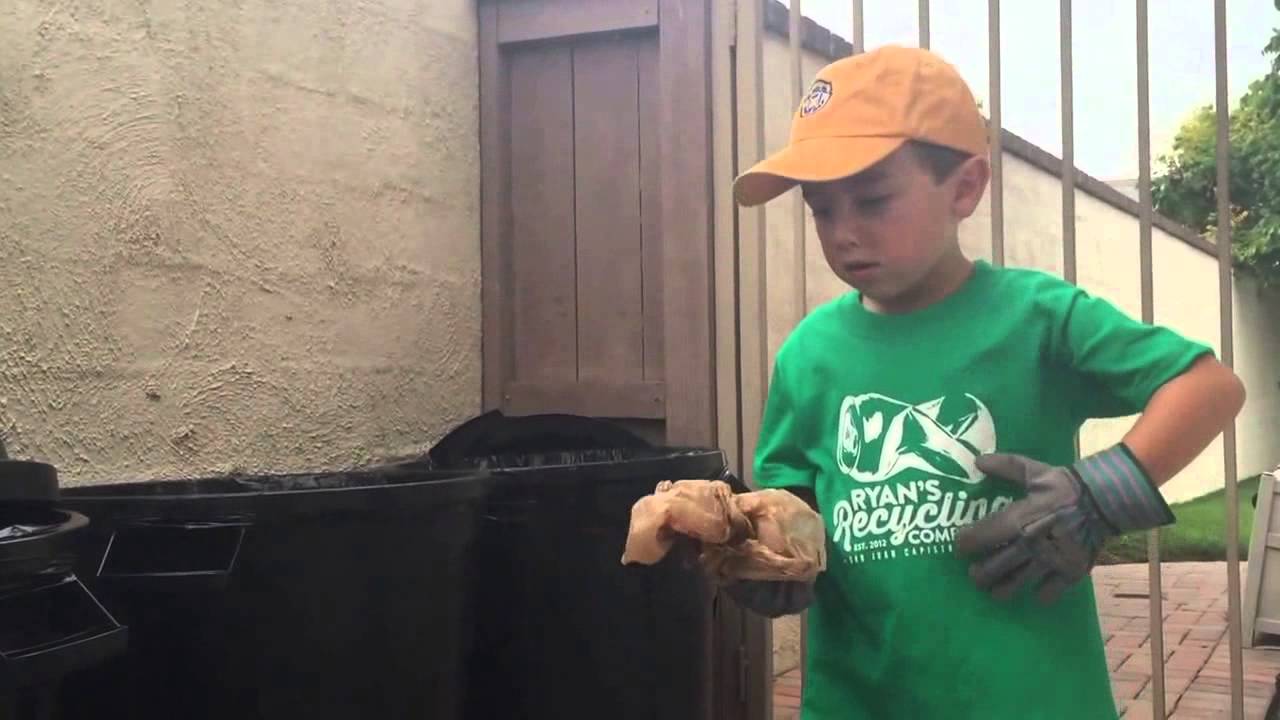


Ryan Hickman started recycling at age 3, created Ryan’s Recycling, and became a reference in child recycling and environmental education.
In 2012, in Orange County, California, Ryan Hickman was just 3 years old when he accompanied his father to a recycling center and left with an idea that would change his routine. The outing, which seemed like just a common daily task, became the starting point of an initiative that grew far beyond a child’s curiosity.
More than a decade later, the story of that boy gained national attention again when CBS News showed that Ryan’s Recycling was already operating in much of Southern California, with almost a dozen employees and a consolidated business structure. The case became a rare example of how a simple childhood action can transform into a continuous recycling and environmental education operation.
How Ryan Hickman started recycling in childhood
According to the official page of Ryan’s Recycling, it all started right after the first trip to the recycling center. The next day, Ryan asked his parents for empty plastic bags to distribute to neighbors and suggested that they save cans and bottles for him to collect.
-
European Country Achieves 100% Glass Recycling and 52% Municipal Waste Recovery, Highlighting Brazil’s Challenges Despite Selective Collection in 60.5% of Cities

-
Facing extreme heat, floods, and disappearing fertile soil, Pakistan launches a “10 Billion Tree Tsunami” in three years to combat desertification, protect rivers, create green jobs, and make reforestation a national survival priority.

-
Cape Verde’s World Cup Surprise: Betting on Electric Cars, a 5 MW Solar Plant, and an Ambitious Plan to Transform Energy for 600,000 Residents

-
Man Finds 1,469 Ancient Roman Silver Coins While Metal Detecting in Romania


The response was quick. It wasn’t just the neighbors who started separating recyclable materials, but also friends, relatives, and colleagues of those families, increasing the volume received by Ryan in the early years of the initiative.


What initially seemed like just child enthusiasm began to take on the contours of an organized routine. Frequent collection, material separation, and trips to the recycling center formed the basis of what would later be known as Ryan’s Recycling.
Ryan’s Recycling grew and became an operation in Southern California
Over time, the initiative stopped being just a neighborhood collection. The project’s official page states that Ryan began to have clients in various parts of Orange County, focusing on collecting cans and bottles to prevent these materials from reaching the ocean or landfills.
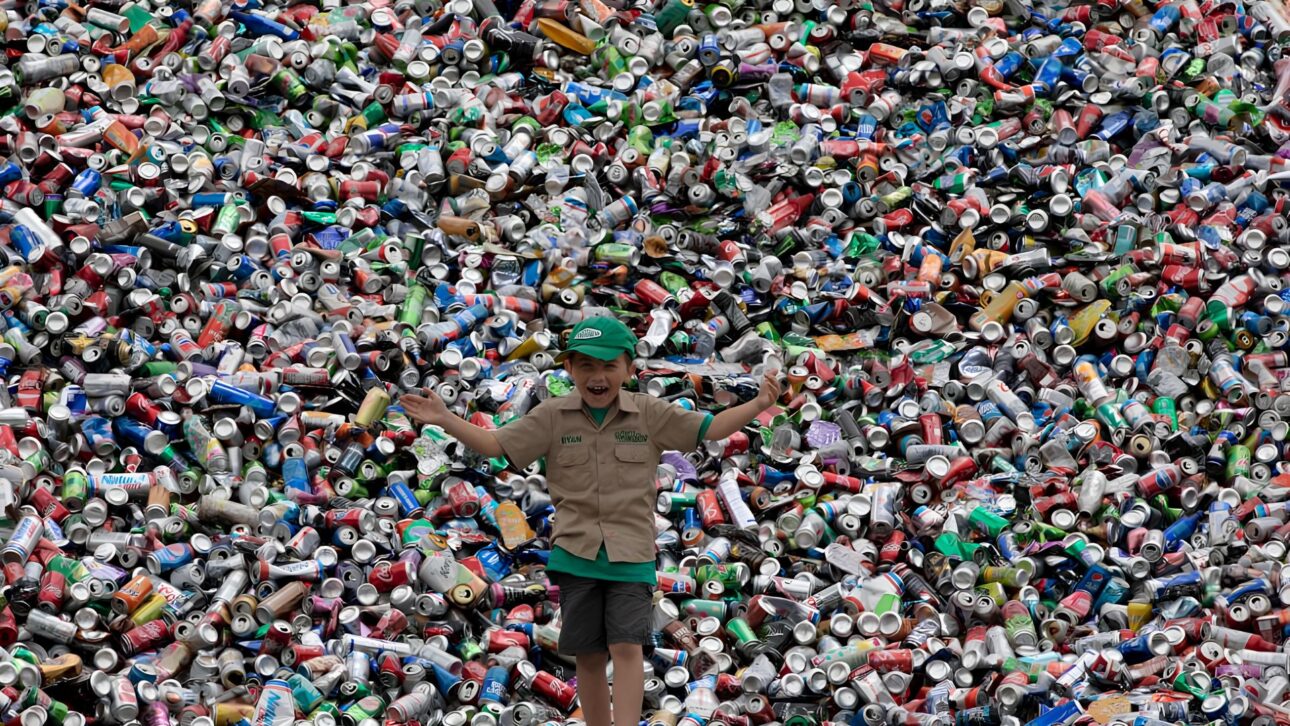
In December 2023, CBS News described Ryan’s Recycling as a thriving business, spread across much of Southern California, with almost a dozen employees and a trajectory already surrounded by public recognition.
This growth helps explain why Ryan’s story has surpassed the appeal of a good curiosity. The project has moved beyond being merely symbolic and has become a real operation of collection, sorting, and environmental engagement.
More than 1.2 million cans and bottles marked the trajectory of Ryan Hickman
One of the strongest numbers in the trajectory appeared in 2021, when Authority Magazine reported that Ryan had already recycled more than 1.2 million cans and bottles, a total equivalent to more than 67 tons of materials. The same publication highlighted that this work was being done with the aim of keeping waste away from the oceans and landfills.
The data helps to gauge the size of the impact achieved by an idea that was born when he was still a child. More than an impressive volume, the mark shows consistency, discipline, and the ability to mobilize a support network around recycling.
Throughout this process, Ryan also began to lead and organize beach clean-up actions in his community. This expanded the reach of the initiative, which moved beyond just domestic recycling and began to directly engage with coastal protection and waste reduction in the environment.
Environmental education helped to expand the impact of Ryan’s Recycling
Ryan’s trajectory was not limited to collecting packaging. Authority Magazine recorded that he also created a recycling program at his school, participated in educational actions, and recorded videos aimed at environmental awareness, taking the recycling message beyond the operation itself.

The same source also reports that Ryan frequently organizes beach clean-ups and participates in public activities to encourage others to recycle. This has turned his story into a case of youth engagement that mixes practice, communication, and concrete example.
Another important point is that his work was also associated with supporting the Pacific Marine Mammal Center, with donations linked to the brand’s products. This detail reinforces that the project was not limited to waste collection but started to engage with animal protection and marine conservation.
What Ryan Hickman’s story shows about recycling and community action
Ryan Hickman’s case draws attention because it combines three elements that rarely appear together with such strength. There is an extremely simple origin, sustained expansion over the years, and a real transformation of a domestic initiative into a publicly recognized environmental business.
It is also noteworthy that it all started without sophisticated structure, without institutional campaign, and without major business planning. The initial impetus came from an everyday experience and community support, which accepted to participate in the idea and helped expand its reach.

In the end, Ryan Hickman’s story shows how recycling can gain scale when it finds continuity, organization, and collective support.
The boy who started distributing bags around the neighborhood managed to build an operation known in the United States and associate his name with a brand that has already surpassed the barrier of 1.2 million cans and bottles recycled.


