





 Portuguese
  English
  Spanish
  3 min of reading
  0 comments


Rare Coins From World War II, Known as ‘Ghost Coins’, Are Found in Japan After Decades of Mystery
In a fascinating discovery, the Japan Mint recently received a collection of 500,000 ceramic coins from World War II, considered lost for decades. The story behind these coins and the mystery of their existence generates great interest, especially among historians and coin collectors.
These coins, nicknamed “ghost coins,” have a history that dates back to the war years, when Japan faced an acute metal shortage. At the time, the government decided to produce ceramic coins to replace traditional metal coins, an innovative and practical decision for the wartime context.
However, with the end of the Second World War, the need for these coins disappeared, and the Japanese government ordered them to be destroyed. It was believed that all the coins had been eliminated until this recent discovery was made.
-
Founded by 182 couples in 1750, this city in Santa Catarina surprises with a very high HDI, above-average quality of life, valued neighborhoods, and a preserved Azorean heritage that enchants residents and visitors.

-
This mysterious road stretches almost 80 km through the desert in a straight line and does not have an official name on Google Maps.
-
People born between 1945 and 1965 developed a rare emotional skill after going through wars, economic crises, historical changes, and decades without technology — and psychology now explains why this generation responds better to pressure.
-
Ilha Grande wakes up amid fires, boats blocking the pier, and revolt against the new tourism tax in Angra, while visitors face charges of up to R$ 100 and tension grows in the region.



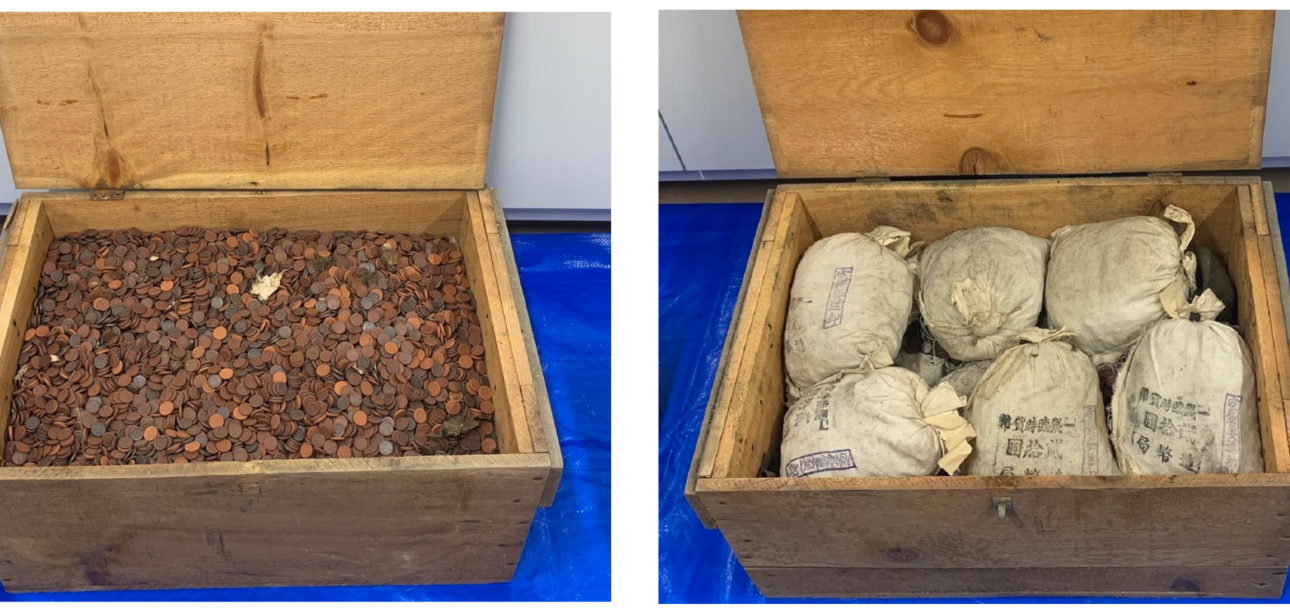
The Amazing Rediscovery of Ghost Coins
In August 2023, Shofu Inc., a dental materials company, accidentally found 15 boxes full of these rare coins in a storage unit. While organizing old equipment, company representatives came across the boxes, which were among common ceramic items.
Upon opening the boxes, they discovered 500,000 ceramic coins from the World War II era, which had apparently remained untouched for about 80 years. Surprised, Shofu representatives realized they were facing a true historical treasure.
These coins are unique, not only for their historical value but also for the cultural details they carry. Measuring 15 millimeters in diameter, roughly the size of a DVD, the coins feature a cherry blossom on one side and Mount Fuji on the other, profound symbols of Japanese identity. While the value of a 1 sen coin is less than a cent, its historical value is significant.
Upon receiving the coins, the Japan Mint expressed enthusiasm about the discovery, stating that the find will allow for an in-depth analysis of the ceramic coin manufacturing processes during the war.
Additionally, Shofu Inc. received 100 of these coins as recognition, a symbolic gesture that reinforces the value of the partnership and historical preservation.
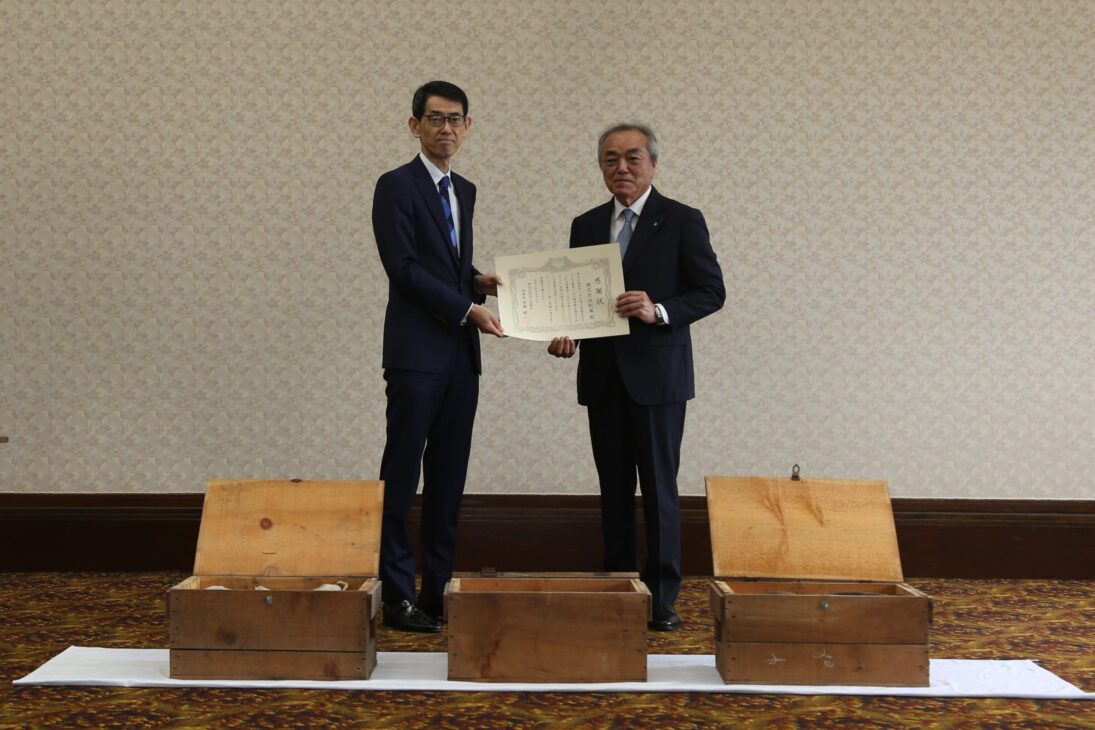
Kenji Goto, President of the Japan Mint
The Historical Value of Ceramic Coins
To understand the context, it is important to remember that Japan, during World War II, faced a critical shortage of metals. With most resources directed towards the military effort, the production of metal coins became impractical.
In response, the government authorized the manufacture of 15 million ceramic coins in cities like Kyoto, Seto, and Arita, renowned centers for ceramic production in Japan. These coins, intended for everyday use, never entered circulation. When Japan surrendered, the coins became unnecessary, and most were destroyed.
Miraculously, however, these 15 boxes of coins were saved, stored, or simply forgotten in a storage unit for over 80 years.
Great Japanese Treasure
Although the government ordered the destruction of the coins, this small lot survived, kept in wooden boxes that withstood the test of time. The appearance of the coins, with their reddish color, resembles gaming tokens, but they are, in fact, authentic coins from the war era.
The Japan Mint plans to investigate the preservation state of the coins and compare them with materials from the existing collection. The expectation is that this analysis will provide new insights into the production conditions during the wartime period.
In a public statement, a representative of the institution said: “We hope that this recent discovery leads to new findings regarding the circumstances surrounding the manufacturing of coins at the end of the Pacific War.”
Shortly, these coins will be displayed at the Mint Museum, providing the public with a unique opportunity to appreciate this rediscovered treasure. The exhibition will also tour Saitama and Hiroshima, allowing more people to learn about this intriguing part of Japanese history.
The story of Japanese ceramic coins is not just a recovery of the past, but a reminder of how human resilience and innovation emerge in times of adversity. Even small objects like ceramic coins can tell great stories, capturing the essence of an era marked by challenges and transformations.


Be the first to react!