






 Portuguese
  Spanish


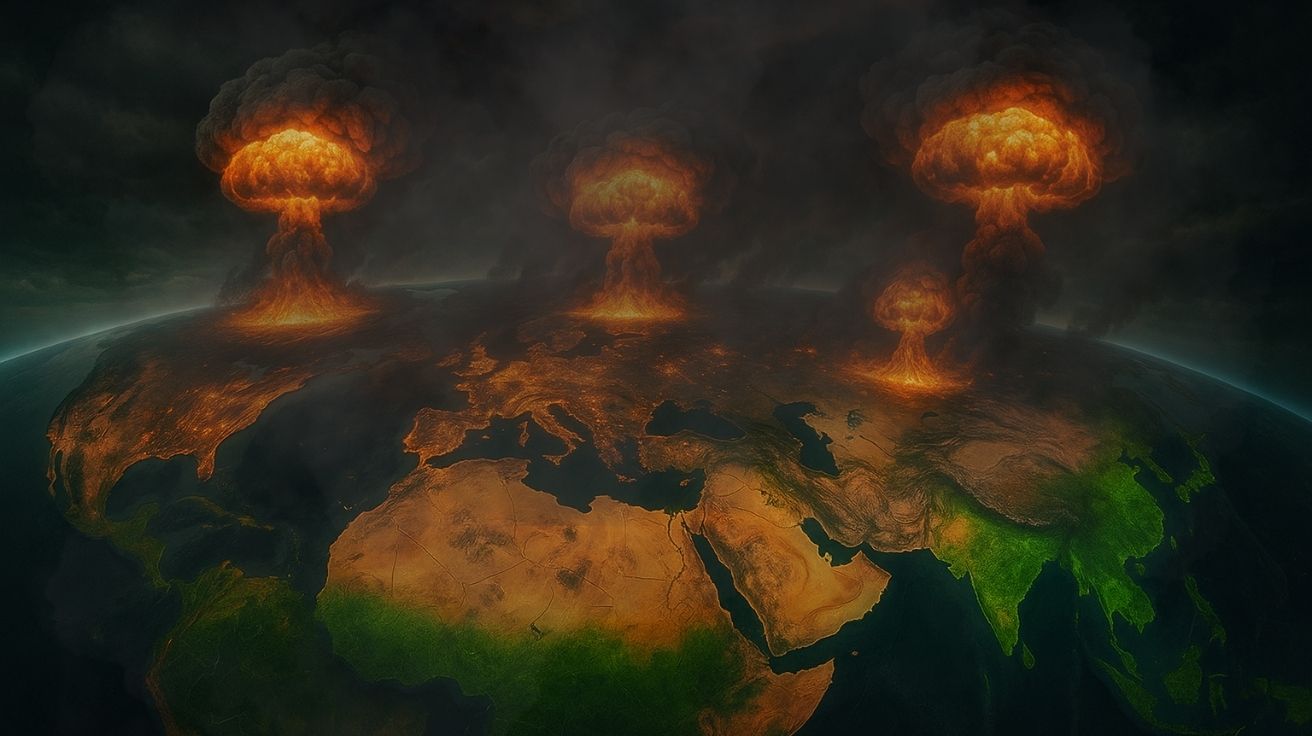


Simulation Of The Scientific Journal Nature Food Lists The Few Refuges Capable Of Withstanding The Global Food Devastation Caused By A Nuclear War, Including Argentina, Australia, Iceland And Even Antarctica
With the increase in tensions between nuclear powers and explicit threats of war, interest grows in knowing which locations would be the safest on the planet in the event of a global atomic conflict. A study published in the scientific journal Nature Food and reported by the Indian Times simulated the agricultural and food impacts of a nuclear war and revealed that up to 6.7 billion people could die from hunger in the years following the catastrophe.
The report highlighted countries and regions that, according to the study’s data, have a higher chance of ensuring the survival of their population, thanks to agricultural resilience, geographic location, and neutral political stance. Below, we list the 8 best countries or territories to survive a nuclear war, according to experts.
ARTICLE CONTINUES BELOWSee also
U.S. Dismisses Brazilian Foreign Ministry’s Military Risk Warning as “Absurd,” Cites Brazilian Criminal Gangs Operating in the U.S. Since May 2026

Ukraine War Impacts Brazilian Fuel Supply: Russian Diesel Imports Drop 65% in June, Brazil Turns to US and India Amid Market Concerns

Chinese Nuclear Submarine Launches Simulated Warhead Missile in Pacific, Heightening Regional Tensions Amid Naval Drills with Russia Near Qingdao; New Zealand and Papua New Guinea Warn of Persistent Chinese Military Presence
Nvidia Secures Billion-Dollar Deal to Supply Up to 170,000 AI Accelerators to a 360 MW Data Center in Indonesia, Aiming to Transform Batam into an Advanced Computing Hub



List Of The 8 Best Places In The World To Survive A Nuclear War
The best countries to survive a nuclear war are: Argentina, Australia, Iceland, New Zealand, Switzerland, Uruguay, Brazil, Oman, Antarctica
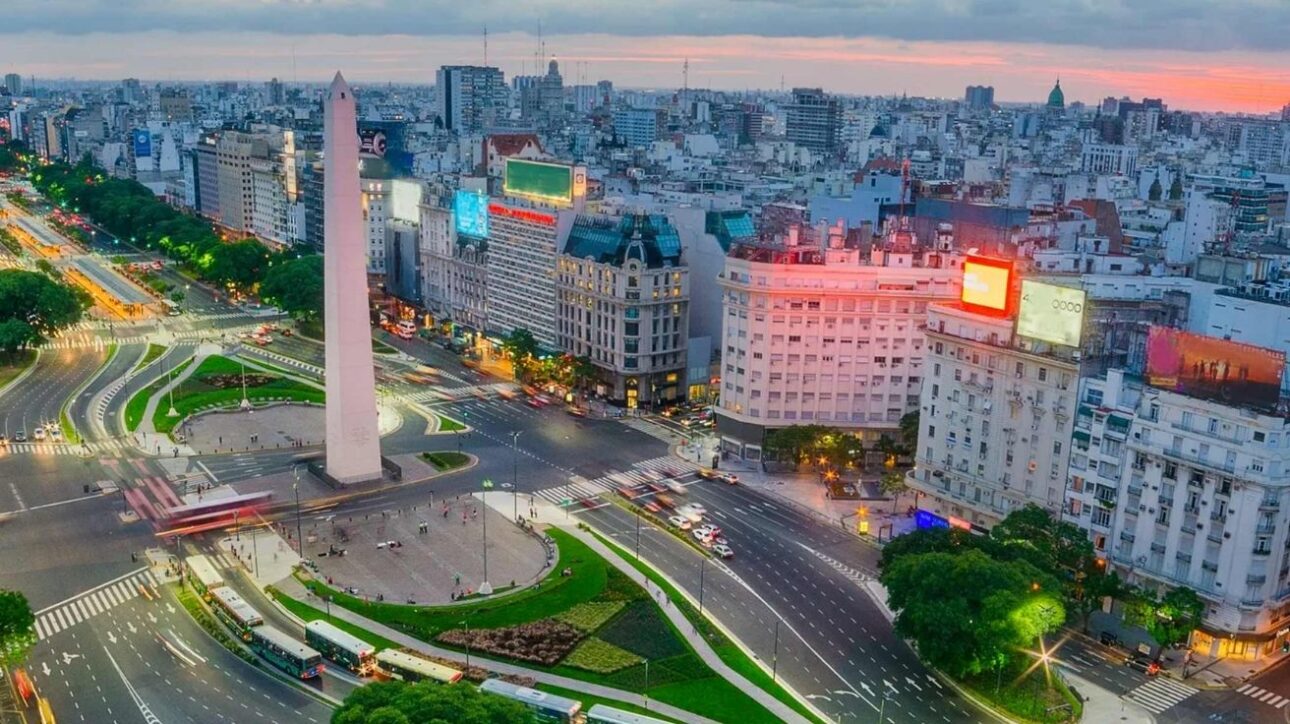
Argentina
With fertile soil, favorable climate, and vast natural resources, Argentina stands out as one of the nations best positioned to ensure food security even after the collapse of global trade.
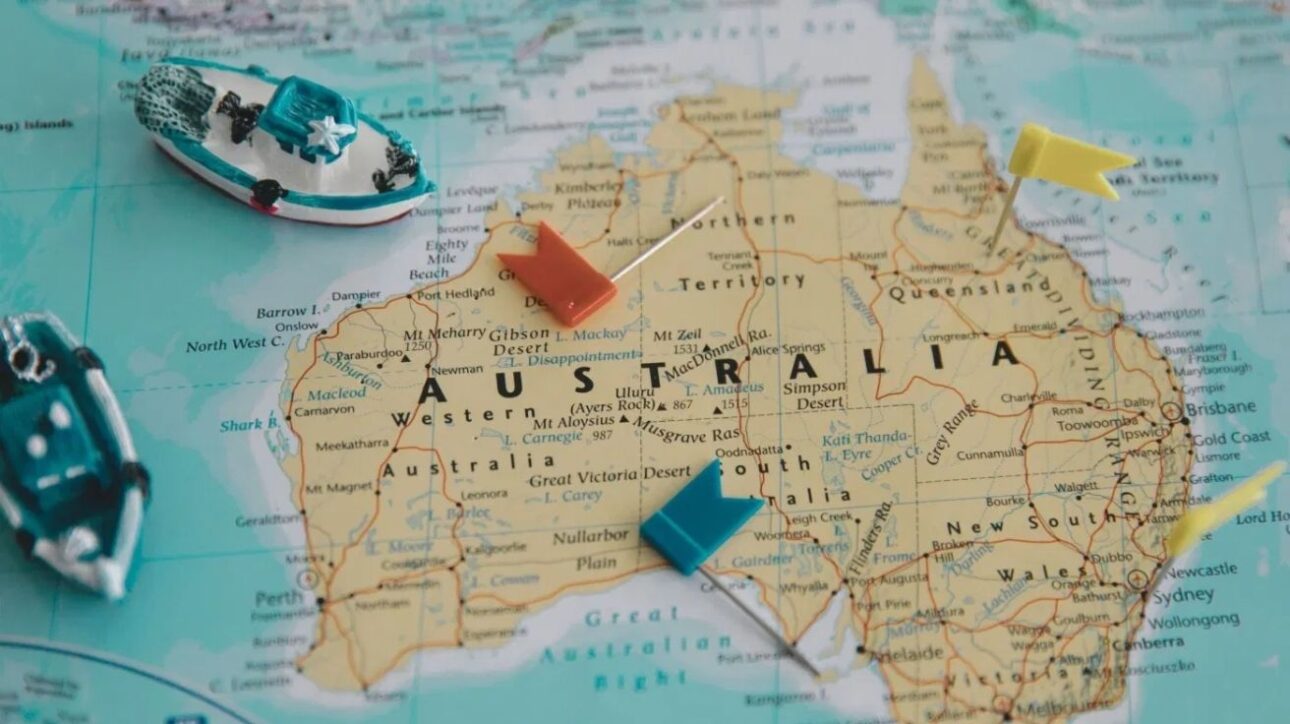
Australia
Its remote location, robust agricultural infrastructure, and relatively neutral stance in armed conflicts make the country one of the best prepared to face the consequences of a nuclear winter.
Iceland
Isolated in the North Atlantic, Iceland is recognized for its neutrality, use of clean energy (geothermal), and ability to maintain autonomy in basic food production.
New Zealand
Although it supports some diplomatic sanctions, the country is far from conflict zones and has mountainous regions that can serve as natural shelters against radiation and attacks.
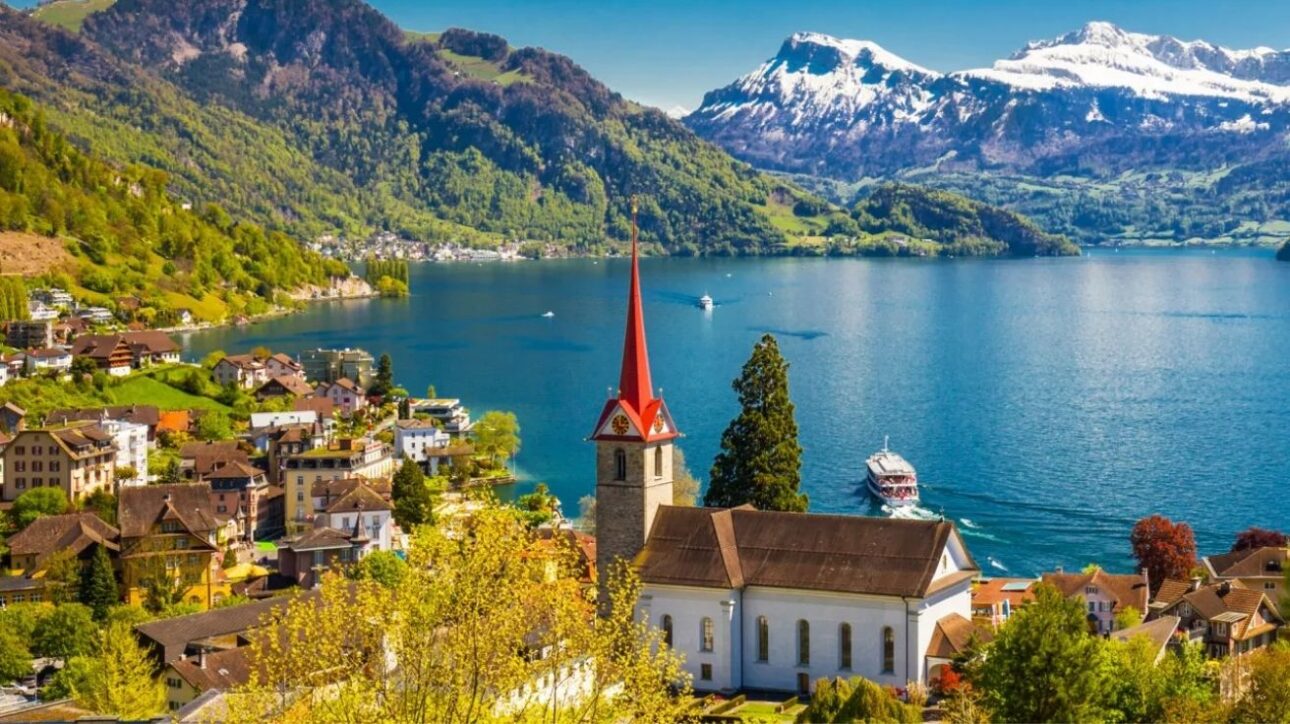
Switzerland
Famous for its neutrality and civil nuclear bunker system, Switzerland possesses one of the most advanced emergency preparation and protection infrastructures in the world.
Uruguay
With strong agricultural production and low international involvement in armed conflicts, Uruguay is one of South America’s bets to withstand food shortages.
Brazil
Although not mentioned directly in the research, Brazil has solid characteristics to be among the safest countries. It has vast agricultural territory, great food self-sufficiency, its own sources of renewable energy, and a non-aggressive diplomatic stance. Additionally, its distance from major geopolitical targets and moderate population density in many regions enhance its survival potential in a global nuclear crisis.
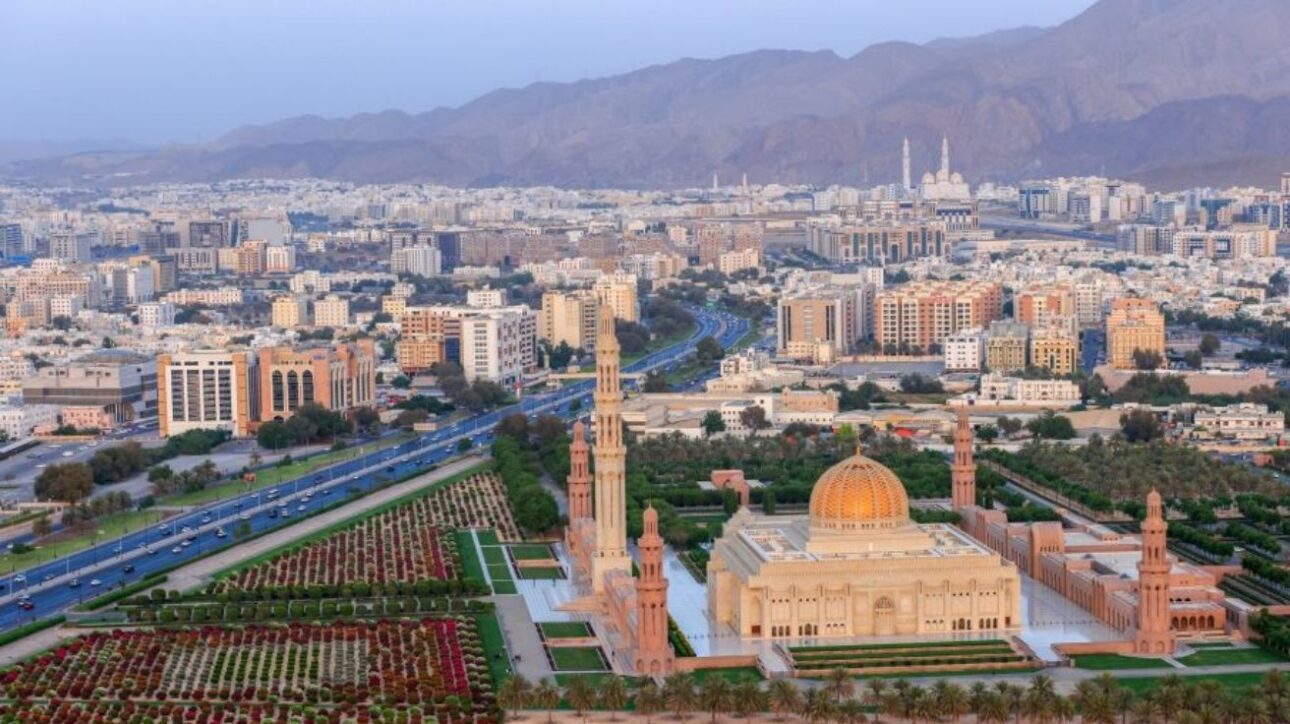
Oman
Located in the Middle East, Oman maintains internal stability, geopolitical neutrality, and infrastructure that supports local supply even in global collapses.
Antarctica
Although uninhabited, Antarctica is pointed out as one of the safest places in terms of radiation and bombings, due to its complete neutrality and extreme isolation. It can serve as a logistical shelter for survival missions.
The Real Consequences Of A Nuclear War
A nuclear war would bring impacts far beyond the immediate destruction caused by explosions. The study from Nature Food highlights that the most catastrophic consequence would be the collapse of the global food system, caused by a sharp drop in temperature and decreased sunlight due to soot in the atmosphere.
This phenomenon, known as nuclear winter, could last for years and make large-scale agricultural production unfeasible. Furthermore, there would be a total interruption of international trade, making it difficult to access fertilizers, fuels, and processed foods. Widespread hunger, according to simulations, could cause the death of up to 6.7 billion people.
The collapse of energy, water, and sanitation distribution networks would further worsen the situation, as would persistent radiation, which would render entire regions uninhabitable for decades. In summary, surviving a nuclear war requires much more than protecting oneself from the explosion: it requires resilience to long-term global collapse.
Typical Infrastructure Of Countries With High Survival Potential
Countries with the highest chance of maintaining stability after a nuclear war exhibit a very specific set of structural characteristics. Among them is diplomatic neutrality, which keeps them off the route of possible attacks.
They also stand out for their internal agricultural production capacity, with fertile soil, water availability, and favorable climate, essential factors for ensuring food autonomy.
Isolated geographical location is another key element, protecting against the direct effects of explosions and radiation waves. Countries with independent energy infrastructure, such as geothermal or hydroelectric power, manage to maintain basic services even without external support.
Additionally, efficient civil defense systems, with emergency stocks, shelter protocols, and rapid response, significantly increase the chance of survival.
It is this combination of factors that makes only a select group of countries genuinely prepared to face the consequences of a prolonged nuclear war.
Honorable Mentions: Countries With Relative Safety In A Nuclear Scenario
In addition to the nine main countries listed as the best for surviving a nuclear war, several other nations and territories deserve honorable mention for presenting geographical, political, or structural characteristics that increase their chances of resilience in the face of a global collapse.
Among them is Chile, with its Andes mountain range serving as a natural barrier and its geographical position away from the centers of global tension.
The Greenland, an extremely isolated and sparsely populated Danish territory, also represents a viable alternative, especially as it has no strategic value in global conflicts.
Another example is Bhutan, a small Himalayan kingdom that stands out for its neutrality, isolation, and lack of military targets.
In Oceania, options such as Papua New Guinea and the Fiji Islands arise, both located remotely in the Pacific with little geopolitical relevance, which reduces the likelihood of attack.
Mongolia, located between Russia and China, surprises with its neutral stance and vast sparsely populated areas, with the possibility of basic self-sufficiency. Meanwhile, Namibia, in southwestern Africa, stands out for its stable climate, low population density, and lack of involvement in armed conflicts.
These countries, although not leading the main ranking, share factors that make them real alternatives for shelter and survival, especially for populations seeking escape routes, strategic isolation, and minimal subsistence capacity amid the chaos of a potential Third World War.





O povo está dando orientação errada. Os lugares mais seguros são os lugares próximo a linha do Equador por causa do inverno nuclear. Depois de 3 meses a crise já iria ser ser sentida nas cidades e o inverno iria atingir os trópicos (Santos iria ficar no gelo e sul ficaria impróprio). A zona de convergência intertropical é o lugar mais seguro, porém é preciso levar em consideração os recursos próximos e o lugar tem que ser bom para plantio. E nesse critério o Brasil vence. Se o Brasil quisesse se otimizar para ficar precavido teria que fazer uma cidade comprida de Aracaju até Cruzeiro do Sul. Deveria passar uma rodovia e ferrovia organizar um crescimento urbano em linha reta para otimizar o transporte e distribuição de recursos.