Portuguese
  Spanish




Scientific Research Drives the Bioeconomy in Brazil by Developing Solutions for Clean Energy, Reducing Emissions, Strengthening Energy Security, and Accelerating Technological Innovation in the Fuels Sector
By 2025, Brazil has made consistent progress in developing sustainable energy solutions by consolidating scientific research aimed at expanding the bioeconomy, focusing on sustainable fuels, technological innovation, and energy security. According to an article published by Agro Estadão this Saturday (27), universities, research centers, and the productive sector have worked together to reduce greenhouse gas emissions, strengthen production chains, and position the country as a global reference in the energy transition.
Bioeconomy Consolidates as a Strategic Axis of Brazilian Development
Right at the outset, the key data highlights this movement. Projects conducted at the University of Campinas (Unicamp) and the National Center for Energy and Materials Research (CNPEM) demonstrate the technical feasibility for the decentralized production of green diesel, biodiesel, and green hydrogen.
These initiatives can increase national energy autonomy and reduce dependency on fossil fuels, while simultaneously fostering innovation and regional development.
-
Brazil on Track for Record 40.7 Billion Liters of Ethanol in 2026/27 Season, Driven by Corn Ethanol
-
Petrobras Approves $1.2 Billion Refinery in Brazil to Produce Aviation Fuel and Diesel from Plants

-
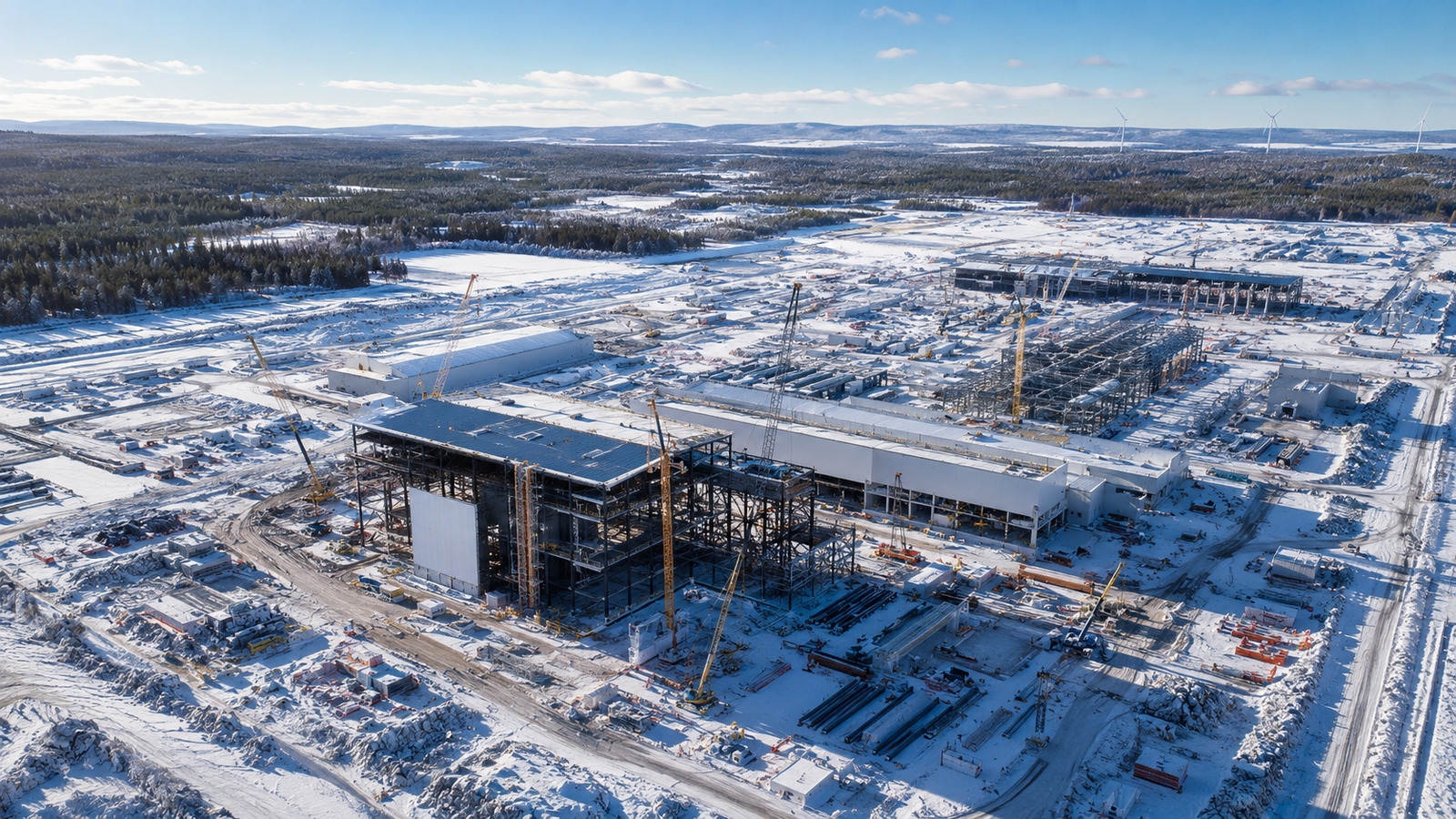
US$ 7 billion, green hydrogen, and steel with up to 95% less CO₂: the first green steel plant on the planet emerges in Sweden and targets Brazil as the next chapter

-
Swedes manage to create synthetic fuel with CO₂, water, and renewable energy, compatible with current engines, but face a huge problem: the energy expenditure is still double the return.

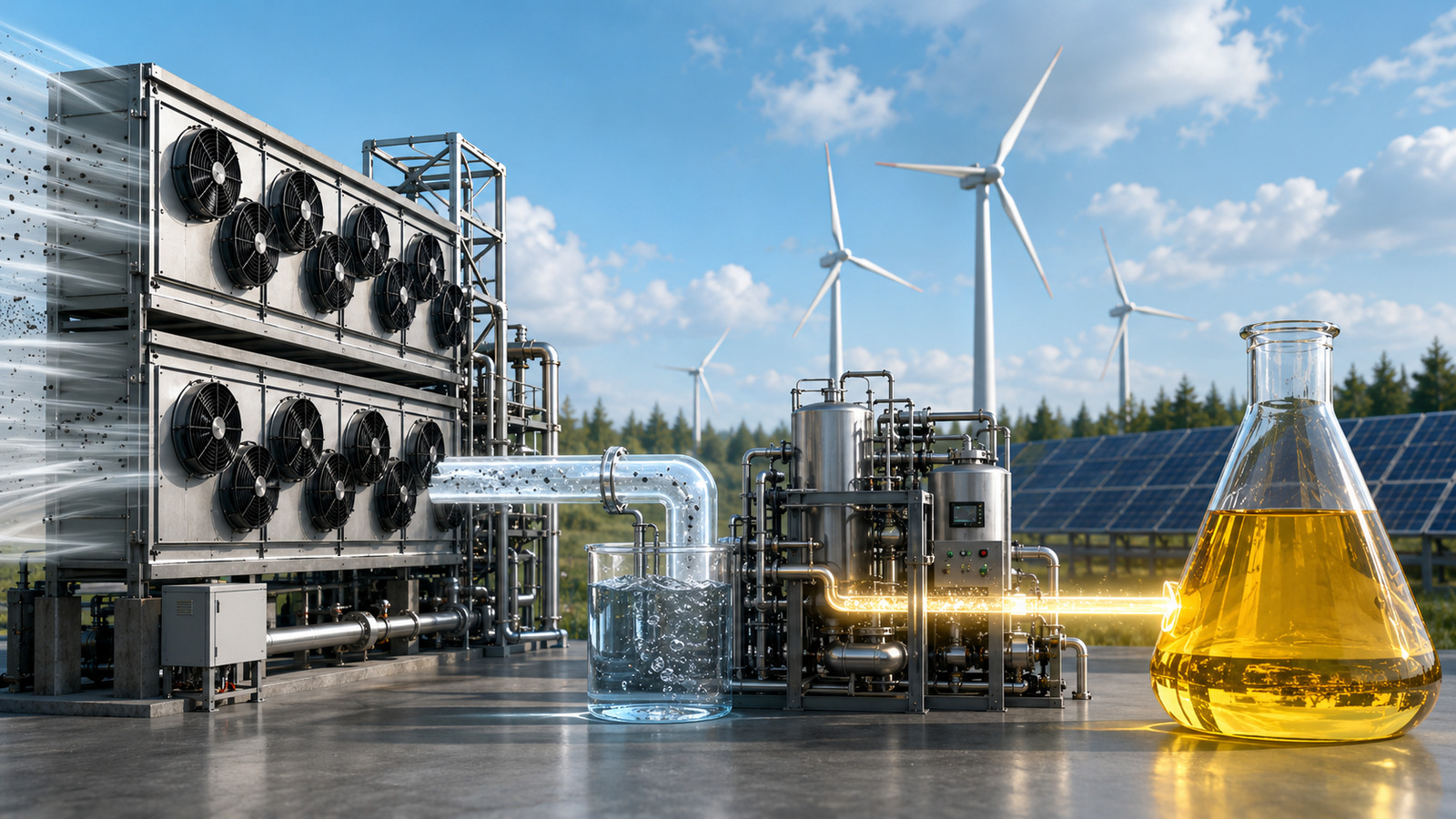
The bioeconomy has been establishing itself as one of the pillars of sustainable growth in Brazil. The concept involves the intelligent use of renewable biological resources to generate energy, products, and high-value services. In the Brazilian context, this strategy combines economic competitiveness, environmental preservation, and productive inclusion.
The country has significant structural advantages, such as great biodiversity, strong agricultural production, and a predominantly renewable electricity matrix. These factors create favorable conditions for the advancement of sustainable fuels, strengthening energy security and reducing exposure to fluctuations in the international oil market.
Furthermore, the Brazilian bioeconomy aligns with global climate goals. The decarbonization of the economy directly involves transforming the energy matrix, especially in sectors such as heavy transport, industry, and logistics.
Research on Sustainable Fuels Drives Technological Innovation
The strengthening of sustainable fuels in Brazil occurs primarily through applied science. Universities and research institutes have developed technologies capable of making production more efficient, scalable, and environmentally responsible.
These research initiatives promote the integration between agriculture and low-impact industry. The result is the creation of more resilient production chains, capable of generating qualified jobs and stimulating technological innovation in different regions of the country.
According to the International Renewable Energy Agency (Irena), despite the global record for renewable capacity addition in 2024, the growth pace still needs to accelerate to meet climate goals. In this scenario, Brazil’s advancement in sustainable fuels gains international relevance, especially because of the possibility of large-scale production with lower environmental cost.
Green Diesel Strengthens Bioeconomy with Decentralized Production
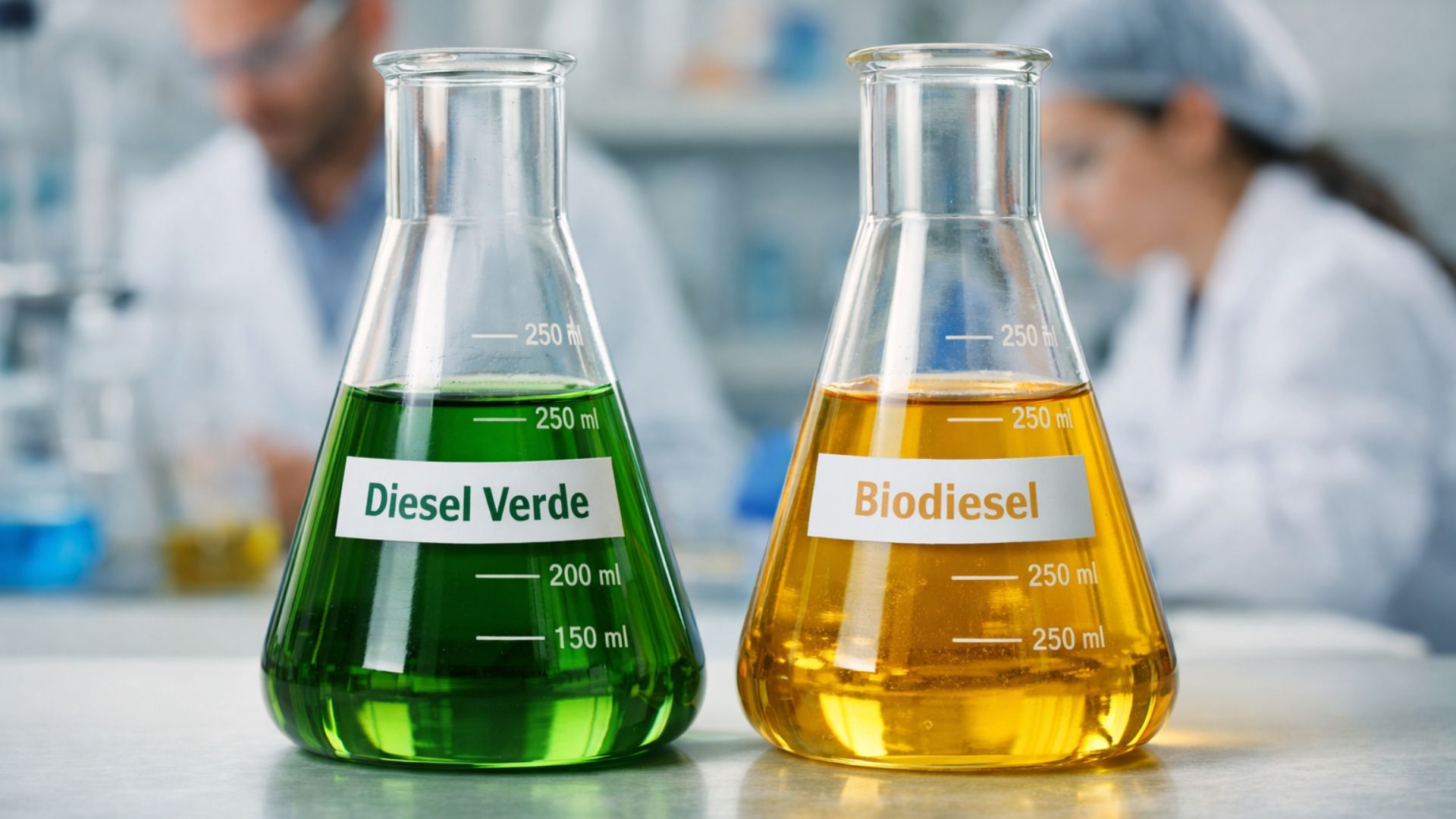
One of the most relevant ongoing projects is Ethanoil+, developed by the Chemical Engineering Faculty of Unicamp. The initiative aims to transform the production of biodiesel and green diesel through compact and modular equipment.
According to Professor Rubens Maciel Filho, project coordinator, the goal is to replace large industrial plants with structures equivalent to containers, reducing operational costs and emissions associated with transportation. This approach strengthens the bioeconomy by enabling local production of sustainable fuels, close to raw material sources.
The project is structured in two phases. The first involves improving processes such as transesterification, separation, and compliance with the standards of the National Agency of Petroleum, Natural Gas, and Biofuels (ANP).
The second phase includes the construction of a functional prototype with an initial capacity of 10,000 liters per day. This decentralized production enhances regional energy security, reduces logistical bottlenecks, and strengthens local economies.
National Patent Enhances Flexibility and Energy Security
The technology developed in the Ethanoil+ project already has a patent from Unicamp, which ensures intellectual protection and potential transfer to the productive sector. The green diesel obtained can completely replace fossil diesel or be used in blends, increasing the flexibility of the Brazilian energy matrix.
Among the main environmental benefits are reduced carbon footprint, lower emissions of atmospheric pollutants, and the utilization of agricultural raw materials. This model reinforces the integration between agriculture, industry, and technological innovation, central elements of the bioeconomy.
Moreover, green diesel meets the technical specifications required for use in conventional engines, which facilitates immediate adoption and amplifies positive impacts on national energy security.
Green Hydrogen Advances with Technological Innovation and Solar Energy
Parallel to green diesel, Brazil is advancing in the production of green hydrogen, considered one of the most promising sustainable fuels for global decarbonization.
Researchers at CNPEM have demonstrated that it is possible to produce hydrogen from water and solar energy without relying on the conventional power grid. The process uses hematite photoelectrodes reinforced with aluminum and zirconium, applied in modular reactors printed in 3D.
According to Flávio Souza, coordinator of the hydrogen program at the National Nanotechnology Laboratory (LNNano), the systems show sufficient stability and efficiency for large-scale applications, maintaining performance even in outdoor environments. This feature expands usage in remote areas and reinforces energy security.
Applications of Green Hydrogen Expand Bioeconomy and Industry
The potential of green hydrogen goes beyond electricity generation. According to Professor Juliano Bonacin of the Chemistry Institute of Unicamp, the fuel can transform strategic sectors of the economy, such as steelmaking, transportation, and residential use.
Among the applications are the production of sustainable steel, partial replacement of cooking gas, and fueling vehicles. The model envisions the conversion of water into hydrogen during the day, using solar panels, and the utilization of the fuel at night through fuel cells.
This cycle strengthens the bioeconomy by integrating science, public policies, and industry, while also opening up opportunities for technology and equipment export.
Climate Commitments Reinforce the Country’s Energy Security
Research on sustainable fuels accompanies commitments made by Brazil in international forums. During the preparatory meetings and the COP 30 event, the country announced the goal of quadrupling the production and use of these fuels by 2035.
The focus is on hard-to-decarbonize sectors, such as aviation, maritime transport, and energy-intensive industries. This strategy reduces the dependence on imported fossil fuels, strengthens energy security, and enhances the competitiveness of the Brazilian economy.
According to André Corrêa do Lago, president of COP 30, despite global advances, it is necessary to accelerate energy efficiency. In this context, Brazil’s prominence in bioeconomy and technological innovation gains international attention.
The Role of Bioeconomy in Brazil’s Energy Future
The advancements recorded by 2025 show that the bioeconomy has ceased to be merely a promise and has taken a central position in the national energy strategy. Projects focused on green diesel and green hydrogen prove that sustainable fuels, technological innovation, and energy security are interlinked.
By integrating science, agriculture, and industry, Brazil is building a cleaner, more competitive, and resilient development model. The strengthening of the bioeconomy represents not only a response to climate change but also a concrete opportunity for sustainable economic growth, with job creation, emissions reduction, and greater energy autonomy for the country.