Portuguese
  Spanish


WWF Brazil study analysis shows that biofuels surpass oil in the Amazon Mouth, with greater economic return and lower risk for the country
The latest WWF Brazil study, published on April 23, places the Amazon Mouth at the center of a strategic decision that could define the country’s energy and economic future. The analysis indicates that investing in biofuels generates a significantly greater return than oil exploration, in addition to reducing fiscal and environmental risks.
Right from the start, the data is striking: when comparing equivalent investment scenarios, the research indicates that insisting on oil could lead to average losses of R$ 22.2 billion. In contrast, investing in renewable alternatives could generate a net benefit of R$ 24.8 billion. The total difference — the so-called opportunity cost — reaches an impressive R$ 47 billion.
This scenario repositions the national debate, especially given the possible opening of exploration in the Equatorial Margin, which includes the Amazon region.
-
Brazil Advances with JetBio’s Megaproject to Build the World’s Largest Ethanol-Based Sustainable Aviation Fuel Plant, Aiming to Become a Global Exporter

-
Brazil on Track for Record 40.7 Billion Liters of Ethanol in 2026/27 Season, Driven by Corn Ethanol
-
Petrobras Approves $1.2 Billion Refinery in Brazil to Produce Aviation Fuel and Diesel from Plants
-
US$ 7 billion, green hydrogen, and steel with up to 95% less CO₂: the first green steel plant on the planet emerges in Sweden and targets Brazil as the next chapter


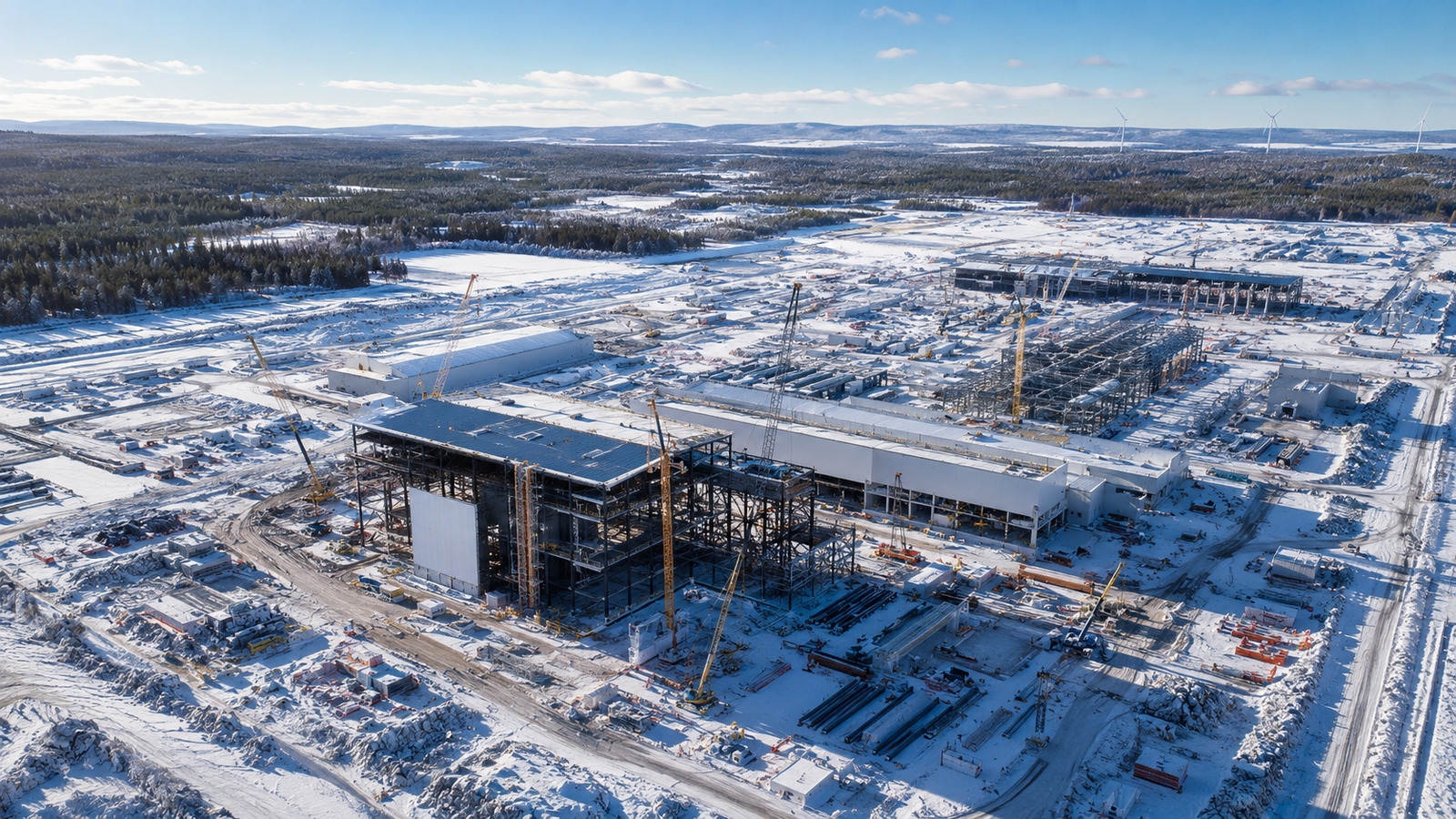
WWF Brazil study points to clear advantage of biofuels over oil
The WWF Brazil study is not limited to a traditional financial analysis. It uses Socioeconomic Cost-Benefit Analysis, a methodology recommended by the Federal Court of Accounts, which considers factors often ignored by the market.
Approximately 10,000 simulations were carried out to evaluate different scenarios involving biofuels, oil, and the reality of the Amazon Mouth. The objective was to measure not only direct profits but also long-term social, environmental, and economic impacts.
Among the main observed results are:
- Replacing oil with biofuels can avoid losses of up to R$ 29.2 billion
- Renewable energies show consistent positive economic return
- Oil-based projects present a higher risk of social harm
This type of approach broadens the view on the topic and reinforces that energy decisions need to consider more than just immediate profitability.
Biofuels gain strength as a sustainable economic driver in Brazil
Biofuels emerge as protagonists in this scenario. The WWF Brazil study highlights that the country already has a solid foundation to expand this sector, which reduces risks and increases the potential for return.
Among the main fuels analyzed are:
- Ethanol;
- Biodiesel;
- Biomethane;
- Sustainable aviation fuel.
In practice, investing in these resources in the Amazon Mouth can generate benefits that go beyond the energy sector. The expansion of these productive chains tends to boost the economy in various regions, promoting decentralized development.
Another important point is job creation. Unlike oil exploration, which tends to be concentrated, biofuels create opportunities at various stages of production, from the field to industry.
Oil in the Amazon Mouth involves high environmental and financial risks
Despite often being presented as a solution to finance the energy transition, oil in the Amazon Mouth presents significant challenges. The WWF Brazil study shows that indirect costs can be much higher than expected benefits.
One of the most critical points is the environmental impact. Oil production in the region could emit approximately 446 million tons of greenhouse gases. This would generate climate damages estimated between R$ 21.1 billion and R$ 42.2 billion.
Furthermore, there are other factors that increase the risk of this type of investment:
- Possibility of environmental accidents in a sensitive area;
- International pressure for emission reduction;
- High costs of impact mitigation.
These elements show that the debate cannot be simplified. The risks associated with oil are broad and directly affect society.
WWF Brazil study reveals risk of obsolete oil investment
Another important warning from the WWF Brazil study is related to time. Oil exploration in the Amazon Mouth would not yield immediate returns. On the contrary, production would take decades to consolidate.
This delay could become a problem, considering the global trend of decreasing demand for fossil fuels. As countries advance in the energy transition, oil may lose value in the international market.
This creates a worrying scenario:
- The investment may become obsolete before generating returns;
- The product’s competitiveness may decrease;
- The country may lose opportunities in more promising sectors.
Meanwhile, biofuels are already part of a global growth logic, with increasing demand and support from environmental policies.
Amazon Mouth as a strategic point in the global energy transition
The Amazon Mouth is not just a region with energy potential. It represents a strategic choice for Brazil’s positioning on the international stage.
According to the WWF Brazil study, investing in biofuels can put the country in the spotlight during the transition to a low-carbon economy. This is especially relevant at a time when global investors are seeking projects aligned with sustainability.
Among the possible benefits of this choice are:
- Attraction of international investments;
- Strengthening Brazil’s image as a leader in clean energy;
- Fulfillment of climate goals.
On the other hand, insisting on oil can generate adverse effects, including reputational damage and reduced competitiveness.
Practical comparison between biofuels and oil in the current scenario
When observing the direct comparison presented by the WWF Brazil study, it becomes evident that the two paths have very different impacts.
Biofuels offer:
- Positive economic return;
- Lower environmental impact;
- Greater job creation;
- Integration with sustainability policies.
Oil, especially in the Amazon Mouth, presents:
- Risk of financial losses;
- High climate impact;
- Dependence on a volatile market;
- Possibility of future devaluation.
This difference reinforces that the decision involves not only numbers but also a long-term vision.
WWF Brazil study reinforces urgency in energy decisions in the country
Time is a decisive factor. The WWF Brazil study makes it clear that postponing decisions about biofuels and oil in the Amazon Mouth can be costly.
The energy transition is already underway in various parts of the world. Countries and companies are directing investments towards renewable sources, gradually reducing dependence on fossil fuels.
In this context, Brazil needs to act strategically. Remaining stuck in old models could mean losing ground in an increasingly competitive market.
The smartest path given the presented data
By gathering all the data, the WWF Brazil study points to a consistent conclusion: investing in biofuels is safer, more profitable, and more aligned with the future than betting on oil in the Amazon Mouth.
The numbers speak for themselves. The possibility of avoiding losses of up to R$ 29.2 billion, combined with the potential to generate benefits of R$ 24.8 billion, shows that the choice is not just environmental, but economic.
More than that, it is a strategic opportunity. Brazil is in a position to lead the energy transition, but this depends on well-founded decisions.
Ignoring the presented signs can result in significant losses and a loss of global prominence. On the other hand, investing in sustainable alternatives can pave the way for economic growth, innovation, and long-term development.
With information from WWF-Brasil.