






 Portuguese
  Spanish


In The Interior Of The Northeast, A Stretch Famous For Its Beauty Hides Treacherous Curves That Challenge Even The Most Experienced Drivers.
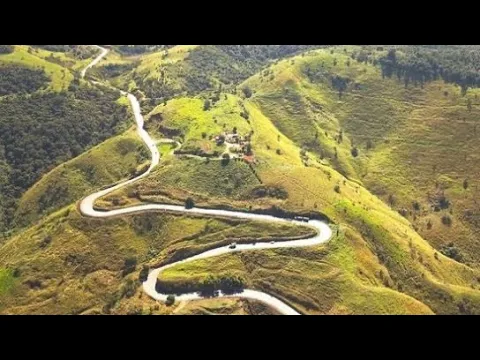
Between Vitória da Conquista and Itapetinga, in Bahia, lies one of the most talked-about stretches by drivers passing through the region: the Serra do Marçal.
Located on the BA-263 highway, it is known for its beautiful landscape and mild climate, but also for a history of tight curves, steep descents, and accidents. The question that arises is inevitable: after all, is the Serra do Marçal dangerous?
Tight Curves And Steep Descents
The layout of the Serra do Marçal is challenging. The road winds through a mountainous terrain, with altitudes ranging from 400 to 850 meters.
-
Artesian Well Becomes Lifeline for Small Brazilian Farm: Drilling Reaches 60 Meters, Finds Marble, Navigates Rock Fissures, and Strikes Fresh Water

-
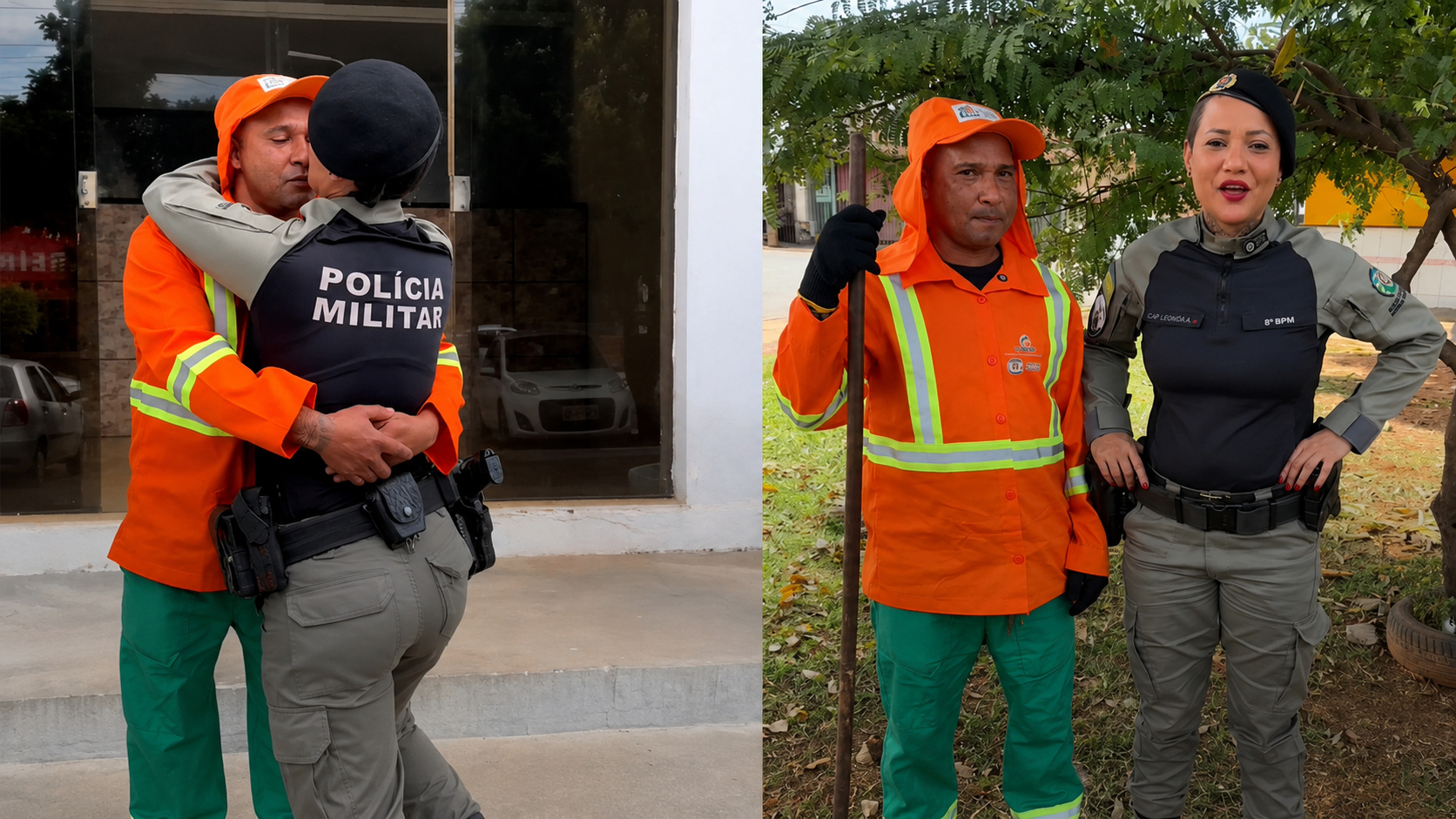
Street Cleaner in Brazil Finds Discarded Books That Helped His Wife Pass Civil Service Exam and Become Police Captain
-
July’s Night Sky to Feature Planetary Alignments, New Moon, Venus at Sunset, Buck Moon, and Two Meteor Showers

-
Fisherman Catches 18kg Catfish Near Brazil’s Itaipu Lake, Among Largest Recorded in Recent Years



At various points, there are consecutive curves that require heightened attention, as well as sections with limited visibility.
The combination of a narrow road, steep descents, and poorly marked curves increases the risk of accidents.
Drivers who know the area well cite these elements as the main danger factors.
Many accidents occur due to speeding or lack of preparedness among drivers, especially those passing through the mountain for the first time.

The Human Factor
Despite the natural conditions of the stretch, a frequent complaint among drivers and local residents is the recklessness on the road.
Truck drivers, motorcyclists, cyclists, and small cars share the same space — and not everyone respects the road limits.
On social media, videos and comments indicate that many cyclists use the mountain for training and leisure, making traffic even more complicated. “The mountain is not dangerous. The danger lies with the drivers,” commented a local on a viral video. This perception is common among frequent travelers in the area.
Recklessness includes speeding, overtaking in prohibited areas, lack of signaling by cyclists, and using a cellphone while driving.
What The Authorities Say
There is no official alert classifying the Serra do Marçal as a permanent critical point, but traffic agencies recommend caution, especially on rainy days.
The road can become slippery, and fog reduces visibility, making safe driving even more difficult.
Additionally, vehicles with mechanical issues struggle to make the climb, which can lead to slowdowns and accidents if there is no adequate signaling.
Worn brakes, bald tires, or compromised suspension are particularly dangerous in this type of terrain.
How To Drive Safely
Some simple actions make a difference in reducing risks.
Reducing speed in curves, maintaining a safe distance from the vehicle ahead, and avoiding risky overtakes are fundamental practices.
On rainy days, it’s important to be extra attentive and turn on low beam headlights. Heavy vehicles should use lower gears when descending to avoid overloading the brakes.
For motorcyclists and cyclists, wearing safety gear and adhering to traffic rules are essential. Ideally, avoid the mountain during peak hours or in low visibility conditions.
Despite all the challenges, the Serra do Marçal remains an important route for regional traffic.
It can be traversed safely as long as the driver respects the road limits and adopts defensive driving. The beauty of the route is striking, but it is essential to remember that any slight carelessness can turn a trip into tragedy.


