






 Portuguese
  Spanish
  5 min of reading
  0 comments


75-year-old farmer returned to the classroom through EJA, passed for the second time in Biological Sciences at UFPI and turned an interrupted dream into an example for young people, adults, and the elderly
At 75 years old, João José de Carvalho, known as Mr. Janjão, once again drew attention in Piauí by securing a spot for the second time in the Biological Sciences course at the Federal University of Piauí. The approval came through Sisu 2026 and gained attention because he is a graduate of the Education for Young and Adults, or EJA.
The case is not just an individual story of overcoming. It shows how public school can reopen paths for those who had to interrupt their studies and, years later, still see education as a real chance for change.
According to information from the Piauí Department of Education, released on March 2, 2026, João studied at the State Center for Full-Time Education Reunida de Patos, in Patos do Piauí. It was through this path that he resumed basic education and once again reached higher education.
-
A thrift store that started with children’s clothes and a loan from grandma turned into a network worth R$ 300 million per year: Peça Rara grew to 130 stores, sold 4 million items, and transformed used items into a national circular economy business.

-
The German fund created to compensate victims of Nazi forced labor paid billions, but the responsible parties themselves admit that the money did not come close to compensating 26 million people.

-
Why do so many people avoid calls and prefer to resolve everything through messaging?

-
Tired of seeing people living on the streets for years, after 12 years of trying, Des Moines approved micro-houses ranging from 18 to 36 m² with affordable rent: Joppa Village promises to become a model of social housing for the homeless population.




The first approval had already been an important achievement, but the dream had to be interrupted. The distance between municipalities and physical limitations made it difficult to stay at the university, forcing the student to leave before completing the course.
The second approval came after a first interrupted attempt
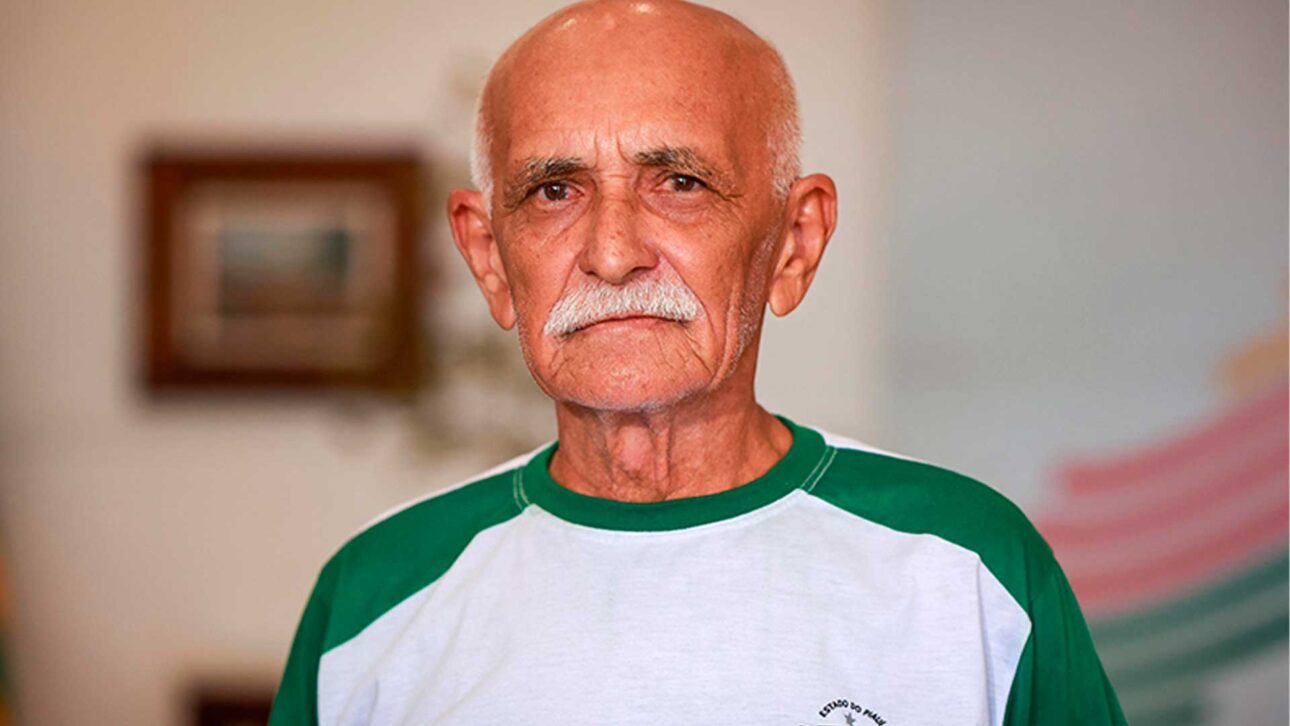
The new spot in Biological Sciences represents a second chance for Mr. Janjão. He had already managed to enter UFPI previously, but faced common obstacles for many students from rural areas, such as commuting, a heavy routine, and difficulty in continuous access to the campus.
This time, the approval took on a different significance. Besides celebrating entering the university, João wants to turn his own journey into an incentive for children, grandchildren, and other adults who believe they are too old to study.
The phrase that sums up his journey is simple and strong: “It’s never too late to study”. In the case of Mr. Janjão, it does not appear as a ready-made speech, but as the result of a life marked by work, returning to school, and persistence in an old dream.
EJA appears as a bridge between those who stopped studying and the university
The student’s story also highlights the Education for Young People and Adults. This modality exists to serve people who did not complete their education at the regular age, including young people, adults, and the elderly who had to swap the classroom for work, family, or other life urgencies.
As informed by the Ministry of Education, policies aimed at EJA aim to combat illiteracy, raise educational levels, and increase enrollments for those who have been out of school. In practice, this means creating a gateway for people who have often been away from books for decades.
In Piauí, the result of 2026 reinforces this role. The state network recorded 311 approvals of EJA students in public universities, with 186 in the first call of Sisu and 125 in the second call.
These numbers show that Mr. Janjão’s case is symbolic but not isolated. Behind his approval, there is an educational policy that can lead people of different ages to public higher education.
Sisu was the path used to secure a spot at UFPI
The approval of João José de Carvalho occurred through the Unified Selection System, Sisu. The program uses Enem scores to select candidates for vacancies in public universities and higher education institutes across the country.
In 2026, Sisu registrations took place in January, through the Single Access Portal. For thousands of students, this system functions as one of the main gateways to public universities, especially for those who rely on Enem scores to compete for spots without separate entrance exams.
In Mr. Janjão’s case, the result is even more impactful because it combines three important elements: EJA, Enem, and federal university. This combination shows that resuming studies in basic education can indeed pave the way for a degree.
The spot in Biological Sciences also directly relates to the student’s personal interest. He had already shown an affinity for the area and is now trying to turn this curiosity into academic training.
Age did not erase the dream, but exposed a bigger challenge for Brazil
João’s journey draws attention precisely because it contrasts with a still strong problem in the country. According to IBGE data released in 2026, the population aged 60 or older represented more than half of the illiterate people in Brazil in 2025.
This data helps to understand why stories like this have so much repercussion. They should not be seen only as exciting exceptions, but as a sign that many elderly people still bear the marks of a time when studying was more difficult, especially in rural areas and among low-income families.
The Elderly Statute also reinforces that elderly people have the right to education, culture, leisure, and services that respect their age condition. This means that studying after 60 is not a favor, it is a right.
When a 75-year-old student returns to university, the message goes beyond personal motivation. The case shows that public policies, access to education, and student retention need to work together so that approval turns into a diploma.
Mr. Janjão’s story makes us think about how many people could still return to school if they had support, opportunity, and encouragement. Do you think Brazil should expand policies for young people, adults, and the elderly to complete their studies and reach university? Leave your opinion in the comments and join the discussion.





Be the first to react!