Portuguese
  Spanish


18-kilogram Pintado was captured by Jango Silva in Arroio Guaçu, on the banks of Lake Itaipu, and drew attention in Mercedes, Paraná.
An 18-kilogram pintado captured on Friday, June 19, in the Arroio Guaçu region put the fishing of Mercedes, in Western Paraná, in the spotlight. The specimen was caught by fisherman Jango Silva near Lake Itaipu and surprised residents and members of the fishing community due to its uncommon size.
The capture is among the largest records of the species observed in recent years in the municipality. The episode also highlights the fishing potential of the region, known for access to the reservoir and the presence of different native species.
Even in an area considered favorable for fishing, specimens of this size do not appear frequently. Therefore, the fish captured by Jango quickly gained local attention.
-
Wet phone: Apple and Samsung warn against using rice to dry it, as it may release particles and worsen USB port damage.

-
Despite Extreme Heat, Politicians Reject Air Conditioning to Protect the Environment

-
New Bridge Between Tocantins and Pará Transforms Daily Commute, Replacing Costly Ferry Crossings in Brazil

-
Brazilian Brothers Invent Hydraulic Claw for Tractors, Enabling the Lifting and Stacking of 400 Rice Bags Daily


18-kilogram Pintado required skill during capture
The pintado is valued among practitioners of sport and recreational fishing for two characteristics: it can reach large dimensions and usually offers strong resistance when caught. These conditions make the capture a challenge for the fisherman, especially when the animal is of significant weight.
In the case recorded in Arroio Guaçu, the specimen reached approximately 18 kilograms. The size helped turn Jango Silva’s fishing into a talked-about event among residents of Mercedes. The attention was not only due to the weight. The record also stood out because fish of these dimensions are considered uncommon in the area in recent years.
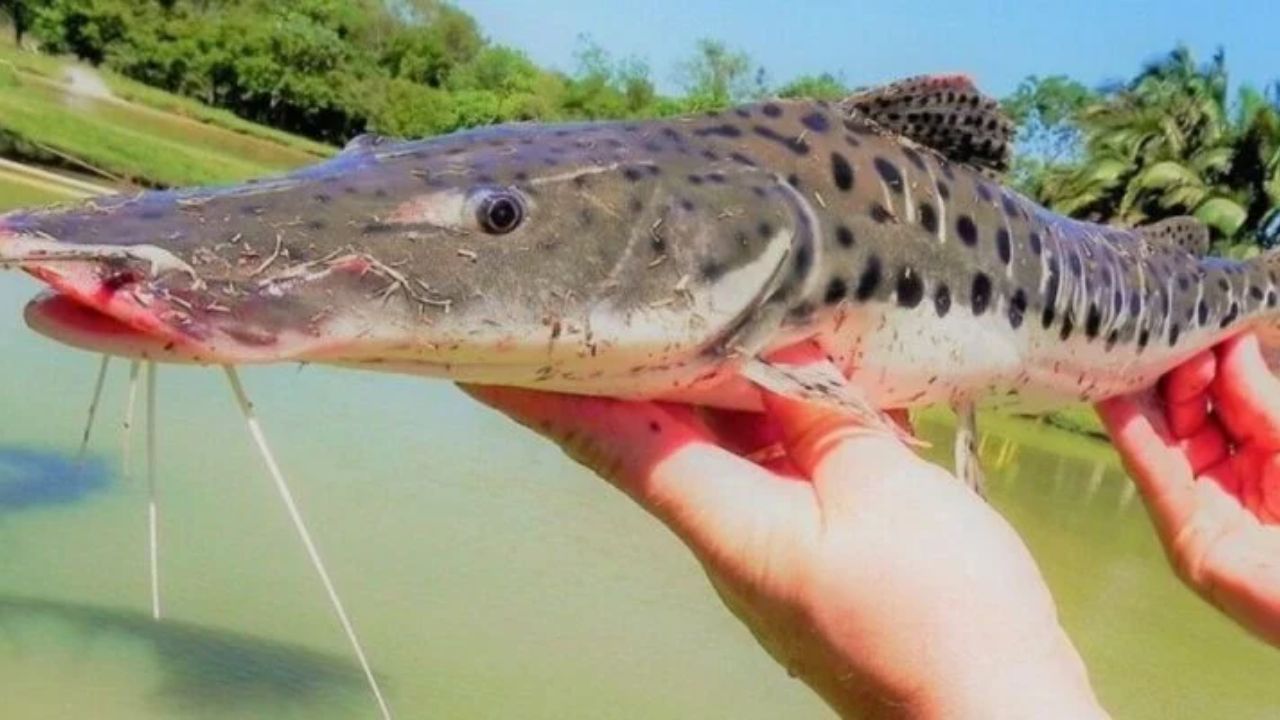
The location of the capture is within one of the main fishing areas in Western Paraná. Arroio Guaçu is on the banks of Lake Itaipu and is part of the environment used by fishermen in the region. The proximity to the reservoir favors the presence of native species and keeps Mercedes connected to the fishing activity.
The municipality has privileged access to the lake, a condition that contributes both to the fishing practiced by residents and to the arrival of people interested in the activity. Even so, the presence of an area rich in fish does not make the capture of large specimens common. It is precisely this combination that explains the attention generated by the pintado.
Capture reinforces Mercedes’ fishing potential
Fishing is part of Mercedes’ relationship with the Itaipu Lake. The diversity found in the reservoir helps position the municipality as a regional reference for fishermen. The specimen caught by Jango Silva serves as a demonstration of the wealth existing in these waters.
More than an individual achievement, the occurrence increases the visibility of the local activity and shows that the reservoir can still harbor fish of significant size. For the fishing community, records of this type also enhance the value of fishing spots near the municipality and spark the interest of other practitioners.
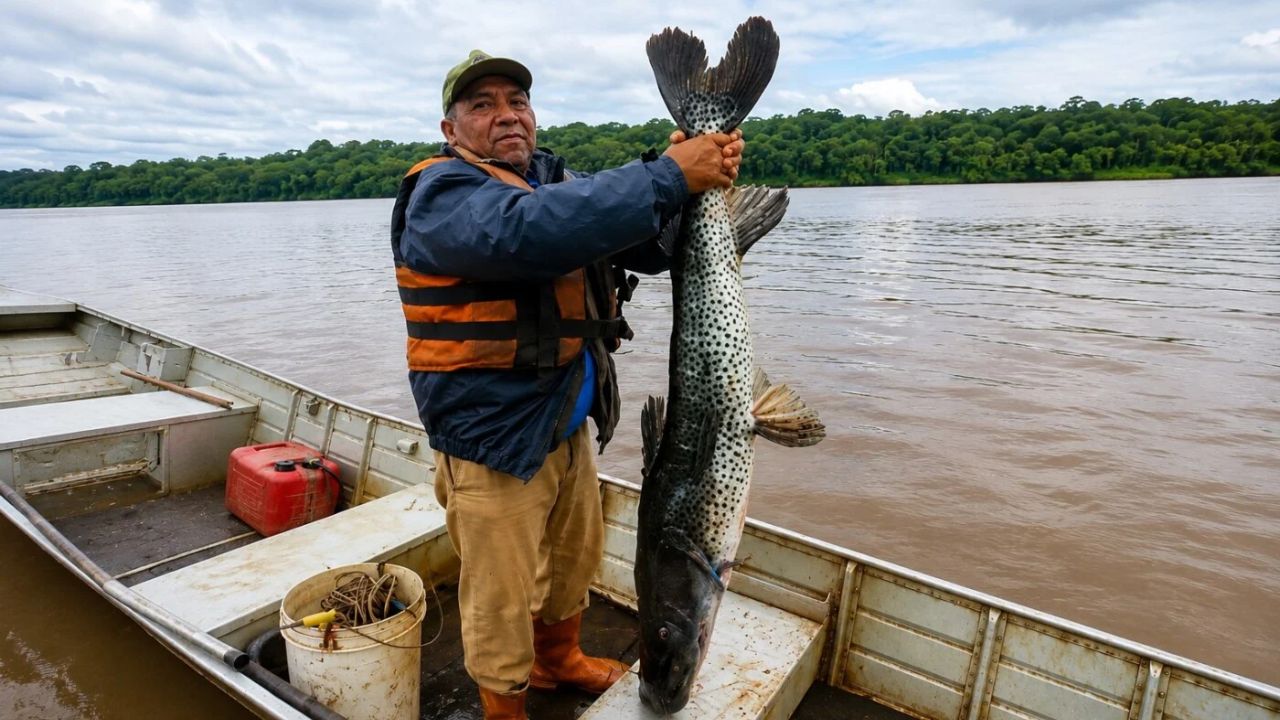
Considered one of the largest artificial lakes in the world, Itaipu Lake is important for sport fishing and for tourism activities related to the sector in Western Paraná. The banks and areas connected to the reservoir receive fishermen interested in the variety of species and the challenges offered by larger animals.
In this context, the capture of the pintado helps to promote the region as a destination linked to recreational fishing. The episode also brings the economic activity closer to the local identity, as the movement of fishermen can benefit initiatives related to tourism around the lake.
Source: Agro em Campo