





 Portuguese
  English
  Spanish
  3 min of reading
  0 comments


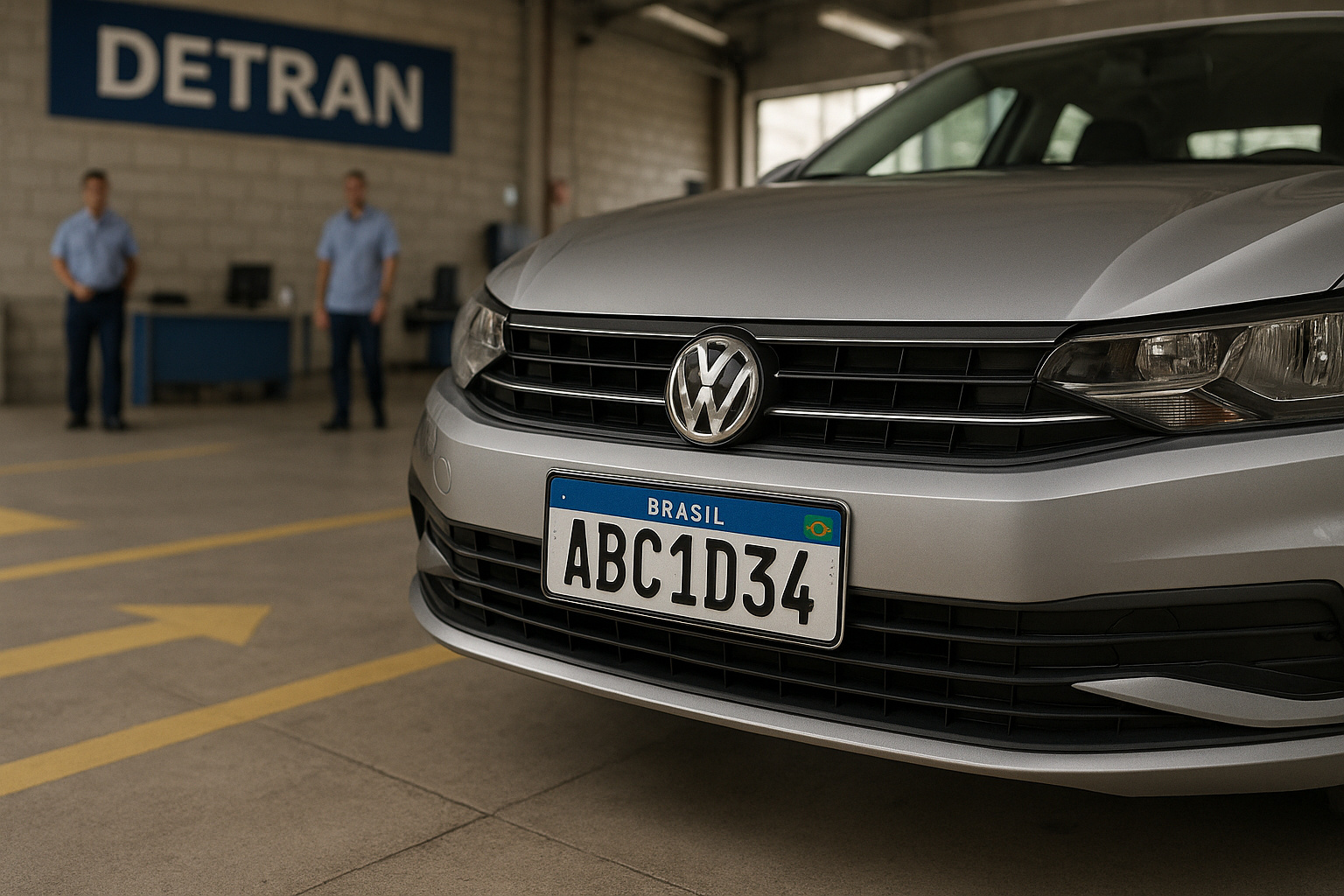
The Expansion of Rules for the Use of the Mercosur Standard in 2026 Reignites Questions About Mandatory Use, Changes in Registration, Costs, Vehicle Identification, and Deadlines for Those Still Using the Old Model
The Mercosur license plate, implemented in Brazil after resolution No. 729 on March 6, 2018, has been part of the routine for drivers since 2017, but remains surrounded by doubts even after years of adoption. This information was originally disclosed by the ND Mais portal, which highlighted that, although widely used, the old plate is still valid under the Brazilian Traffic Code, keeping the discussion alive among car, motorcycle, and other motor vehicle owners.
With the advancement of mandatory requirements, many people still do not know exactly who needs to migrate to the new standard in 2026, especially since some rules have changed over the years. Additionally, the growing digitization of registration processes and changes in visual identification make the topic remain relevant, especially for those looking to buy, sell, transfer, or regularize a vehicle in the coming months.
Who Must Mandatorily Adopt the Mercosur Plate in 2026
Although it is not mandatory for all vehicles, the Mercosur plate is required for specific categories and will remain mandatory for the same situations in 2026. As reinforced by the Brazilian Traffic Code, the following must adhere to the model:
-
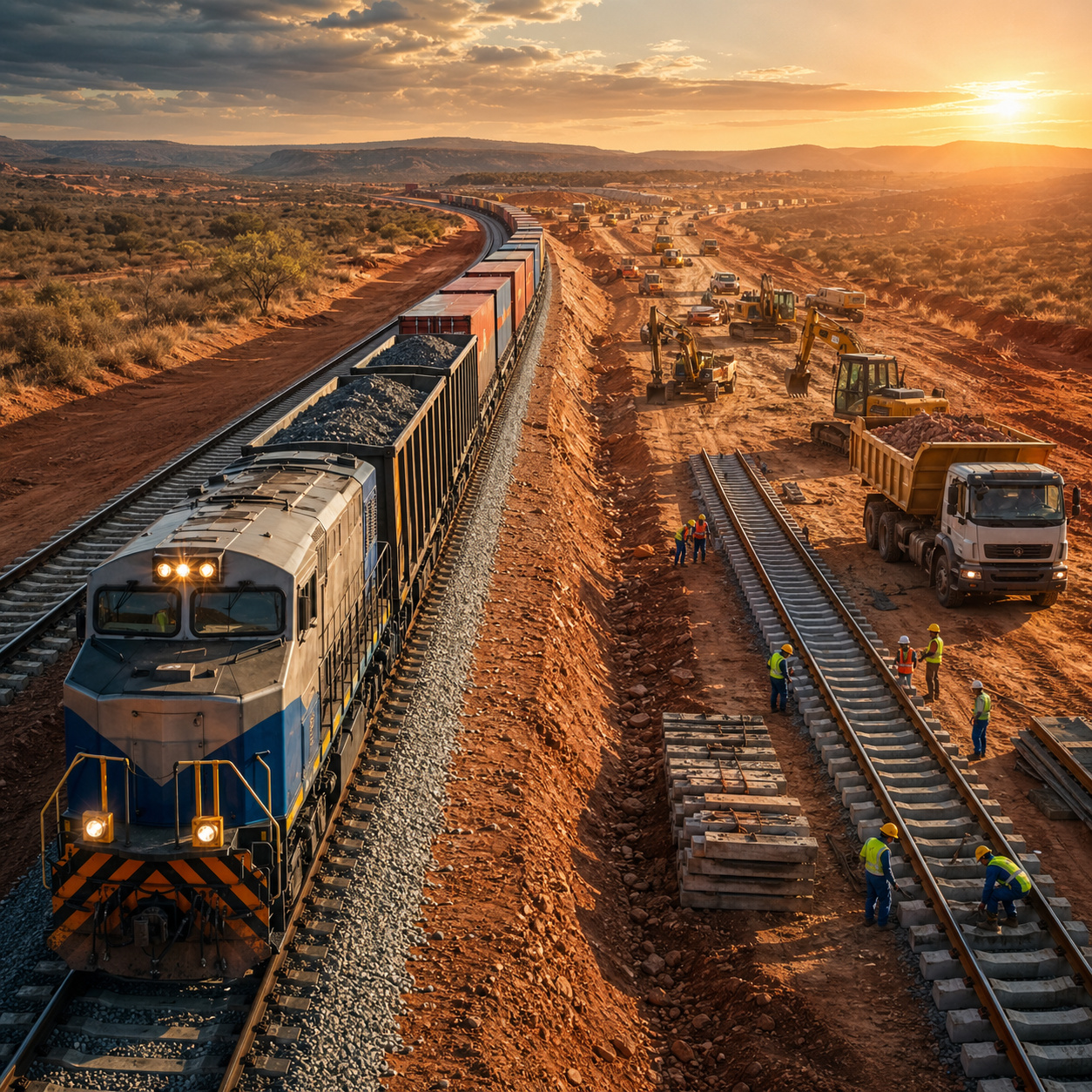
Idle for 40 years, the 1,757-kilometer railway receives R$ 5 billion in two consecutive investments, reopens construction sites in the Sertão, begins partial operation in Piauí, and promises to reduce soybean and ore freight by up to 60%, connecting Brazil’s poorest interior to the international market for the first time with competitive infrastructure.

-
While in Brazil the Transnordestina has been waiting for 67 years, China began drilling 29 tunnels through the mountains of Central Asia to build the first railway connecting three countries — it’s 523 km, US$ 4.7 billion, and 5,000 workers cutting rock at 3,000 meters of altitude

-
India is paving 1,350 kilometers of road with 8 lanes to connect its two largest cities — the drive between Delhi and Mumbai will be reduced from 24 hours to 12, and 929 kilometers are already completed.
-
Norway is drilling 27 kilometers of rock 392 meters below the bottom of a fjord to build the world’s largest and deepest underwater road tunnel — when completed, a 21-hour journey will be reduced to 10.




- Newly registered vehicles;
- Vehicles that have undergone ownership transfer;
- Automobiles that have changed category, such as taxis that become private or vice versa;
- Vehicles that have changed municipalities;
- Cars with damaged plates that need updating.
Thus, any change that requires the issuance of a new plate mandates the adoption of the Mercosur model, regardless of the owner’s wishes. However, it is worth emphasizing that those who keep the old plate and do not fit any of these situations can still use it without legal issues until one of these changes occurs.
Visual Differences, Codes, and Colors of the New Mercosur Standard

In addition to the mandatory rules, many drivers still have questions about the appearance of the Mercosur plate. This occurs because it introduced important differentiations, mainly in the color system, which now identifies categories through the shades of the border and characters — unlike the previous model, where the background and letters indicated the vehicle’s function.
Another significant change involves the alphanumeric sequence. The new plate maintains seven characters, but ceases to follow the old “LLL-NNNN” pattern, replacing the second number with a letter and creating special combinations. This allows for greater variation and meets the constant increase of the national fleet.

In addition, there was controversy regarding the removal of identification of the municipality and state at the top of the plate. Originally, the Mercosur model displayed only the country of origin. However, in 2024, the CAE (Economic Affairs Commission) of the Senate approved bill No. 3214/2023, which restores the requirement to include city and state on Brazilian plates, meeting the demand of drivers and regulatory bodies.
Costs and Financial Impact of the Mercosur Plate in 2026
On the other hand, the costs of the new model have been discussed since its implementation. In some regions of Brazil, there was a decrease in issuance values, reflecting large-scale production and the elimination of certain old security items that were more expensive. Thus, vehicles needing to change their plates due to transfer or municipal change may benefit from the reduction.
Still, many drivers have expressed concern about potential increases in demand in 2026, when more people will need to update their plates due to buying and selling transactions. Therefore, understanding the rules and deadlines helps avoid unexpected expenses for those still using old plates.
As ND Mais explained in its report, the small changes expected over the months should continue adjusting the registration standard, making the process more transparent and standardized throughout the national territory. Thus, the trend is for the Mercosur model to increasingly solidify as a reference, especially in light of the growth of the Brazilian fleet.





-

2 people reacted to this.