





 Portuguese
  English
  Spanish
  4 min of reading
  1 comment


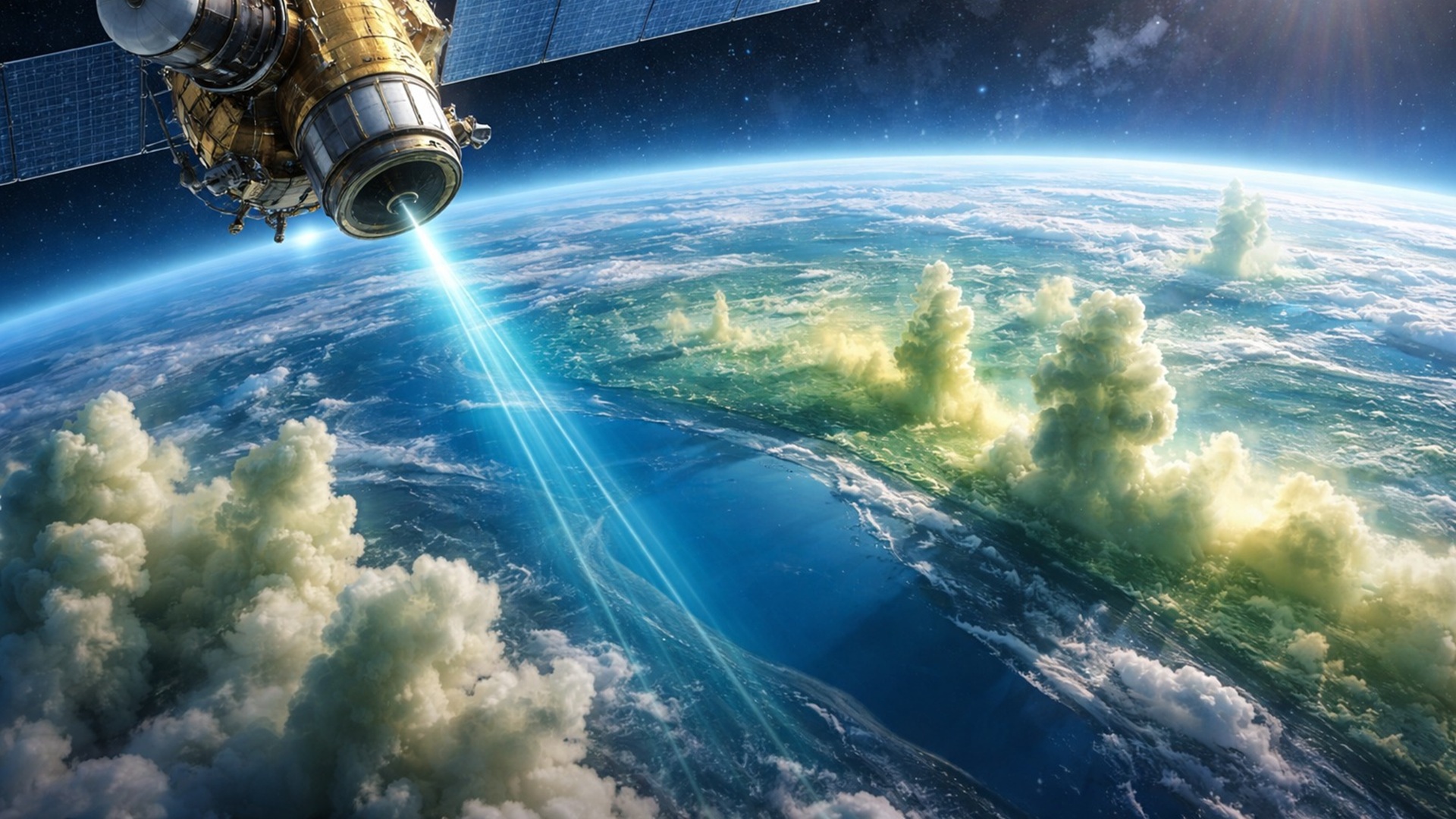


Data-Driven Analysis of Satellite Data Collected Between 2007 and 2010 Reveals That Methane Removal in the Stratosphere Exceeds Previous Climate Model Estimates, Reducing Discrepancies Between Calculation Methods and Altering the Assessment of the Imbalance That Determines the Evolution of the Gas in the Atmosphere.
Satellite observations indicate that the loss of methane in the stratosphere is greater than previously predicted by earlier models, according to a study from the University of Washington. The new value, based on data from 2007 to 2010, alters the calculation of the imbalance and impacts the understanding of atmospheric accumulation.
Methane is a potent greenhouse gas with a significant capacity to retain heat. Although there is less methane than carbon dioxide in the atmosphere, researchers attribute 30% of modern global warming to this gas.
Observations show that methane levels have increased over time, but the factors driving the changes in the accumulation rate are still unclear. Methane remains in the atmosphere for approximately 10 years before being decomposed or removed.
-
Eta Aquarids meteor shower will be visible in Brazil in May: find out where to see and what’s the best time

-
Scientists warn that getting pregnant could become more difficult in the future because extreme heat, microplastics, PFAS, and other toxic substances can act together in the body and affect hormones, human reproduction, and fertility.

-
Rains of almost 200 mm devastate Pernambuco and Paraíba in less than 24 hours, leaving six dead, 2,190 displaced, breaking 30-year rainfall records, and causing landslides that buried a mother and a six-month-old baby in Olinda, while almost 500 people needed to be rescued after being stranded by the floods.
-
A cold air mass gains strength, turns into a cold wave, and could drop temperatures in the South and Southeast for several days, with a peak between May 12 and 13, advancing close to the central region of Brazil, and a risk of storms before the weather change.


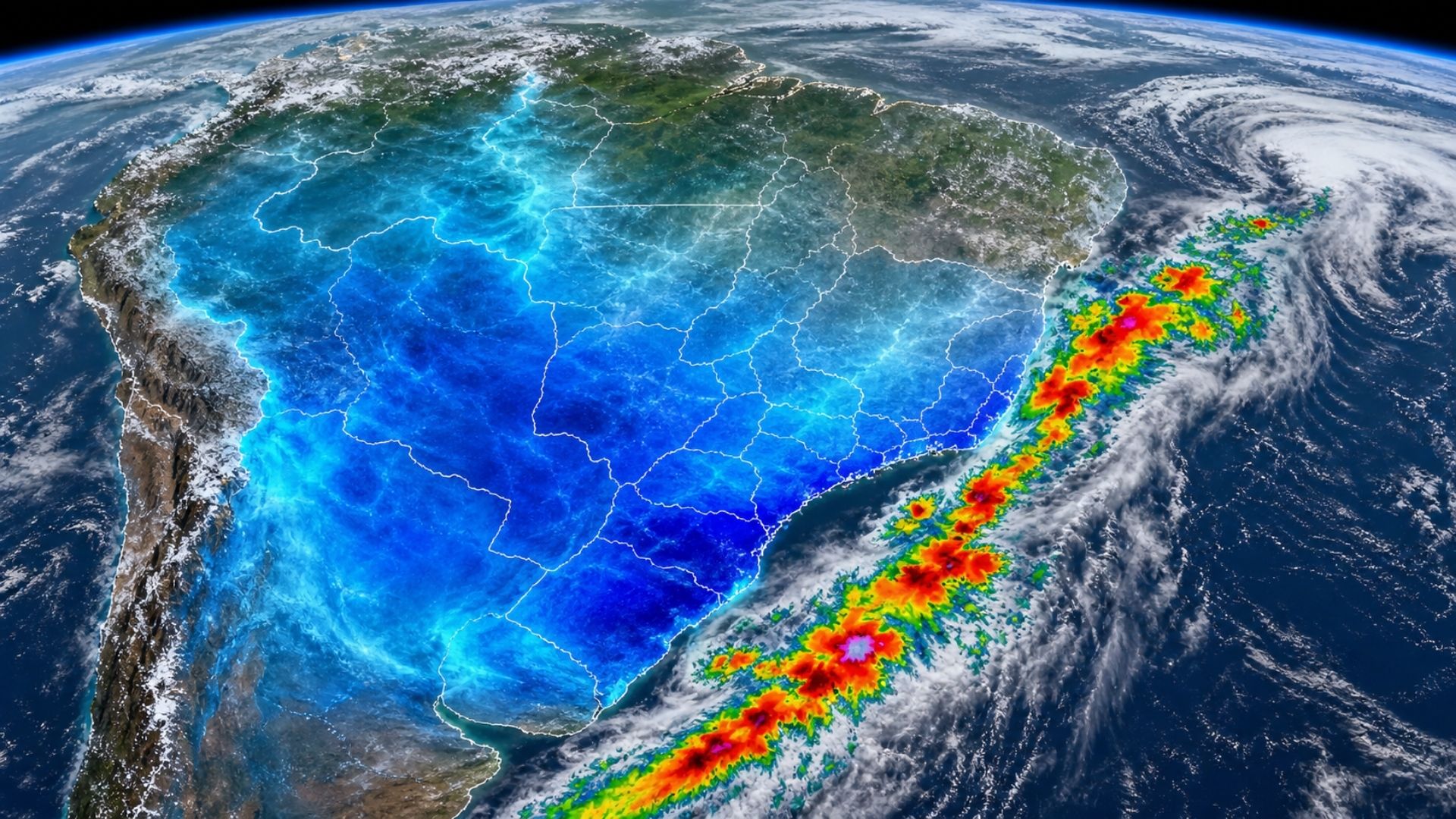

Researchers need to know how much methane is removed to assess what percentage of emissions accumulates in the atmosphere. The removal process is difficult to measure, which increases uncertainty about the total balance.
Historically, studies have relied on simulations of chemistry and climate to predict removal. The accuracy of this approach is debated, especially regarding methane in the stratosphere.
Methane in the Stratosphere and New Observational Value
A new study from the University of Washington presents a value for methane removal in the stratosphere based on satellite data. This is the first value derived from observational methods for this layer of the atmosphere.
The stratosphere is the second layer of the Earth’s atmosphere, situated above the troposphere. The value found is higher than indicated by previous models, suggesting that more methane is decomposed in the stratosphere than previously thought.
According to Qiang Fu, professor of atmospheric and climate sciences at the University of Washington and lead author of the study published in the Proceedings of the National Academy of Sciences, the difference between emissions and removal is small but crucial.
“Total methane emissions and removal represent significant values. The difference between them, or imbalance, is a small yet crucial value. It determines methane trends over time,” Fu stated.
Sources, Sinks, and Imbalance
Humans are the primary source of methane emissions on Earth. Agriculture, waste, and fossil fuels release methane, while wetlands also contribute as a natural source.
Methane sinks include soil and chemical reactions in the atmosphere. Removal occurs in both the troposphere and stratosphere. If sources and sinks were balanced, methane would not accumulate.
Human contributions have tilted the balance toward sources. Therefore, understanding methane in the stratosphere is essential for accurately estimating the total balance and variations in atmospheric levels over time.
Two Approaches and Discrepancies in Calculations
There are two ways to calculate methane accumulation in the atmosphere. The top-down approach starts with observed levels in the atmosphere. The bottom-up strategy considers individual sources and sinks.
The problem is that the two methods do not align. Bottom-up calculations indicate that sources vastly exceed sinks compared to the estimates from the top-down approach.
In the study, Fu and Cong Dong, a graduate student at UW, analyzed public satellite data from 2007 to 2010. From this data, they produced a new value for methane removal in the stratosphere.
They then recalculated the imbalance using the new observational value instead of model estimates. The results showed that the bottom-up and top-down calculations became almost identical.
Implications for Policies and Atmospheric Chemistry
“By narrowing the scope, we increase our confidence in the methane balance and estimates of imbalance, which determine variations in methane levels in the atmosphere,” Fu said.
Methane has become a target of strategies to slow climate change. Unlike carbon dioxide, which persists for hundreds of years, methane decomposes after about a decade.
Limiting emissions related to human activity can reduce global warming more quickly. According to Fu, understanding how methane accumulates puts policymakers in a better position to act.
Methane reactions in the stratosphere also create water vapor, another greenhouse gas. Additionally, they impact ozone chemistry, affecting the protective ozone layer.
These results help researchers understand the significance of methane-related reactions in the stratosphere. The new observational value contributes to reducing uncertainties and aligning estimates from different methods.
By aligning the calculation approaches, the study reinforces the relevance of direct satellite measurements. Understanding the imbalance between emissions and removal remains central to assessing the future evolution of methane in the atmosphere.






É difícil acreditar nessa ciência moderna, já que a política se mete em tudo e força a barra de forma parcial.