





 Portuguese
  English
  Spanish
  4 min of reading
  2 comments


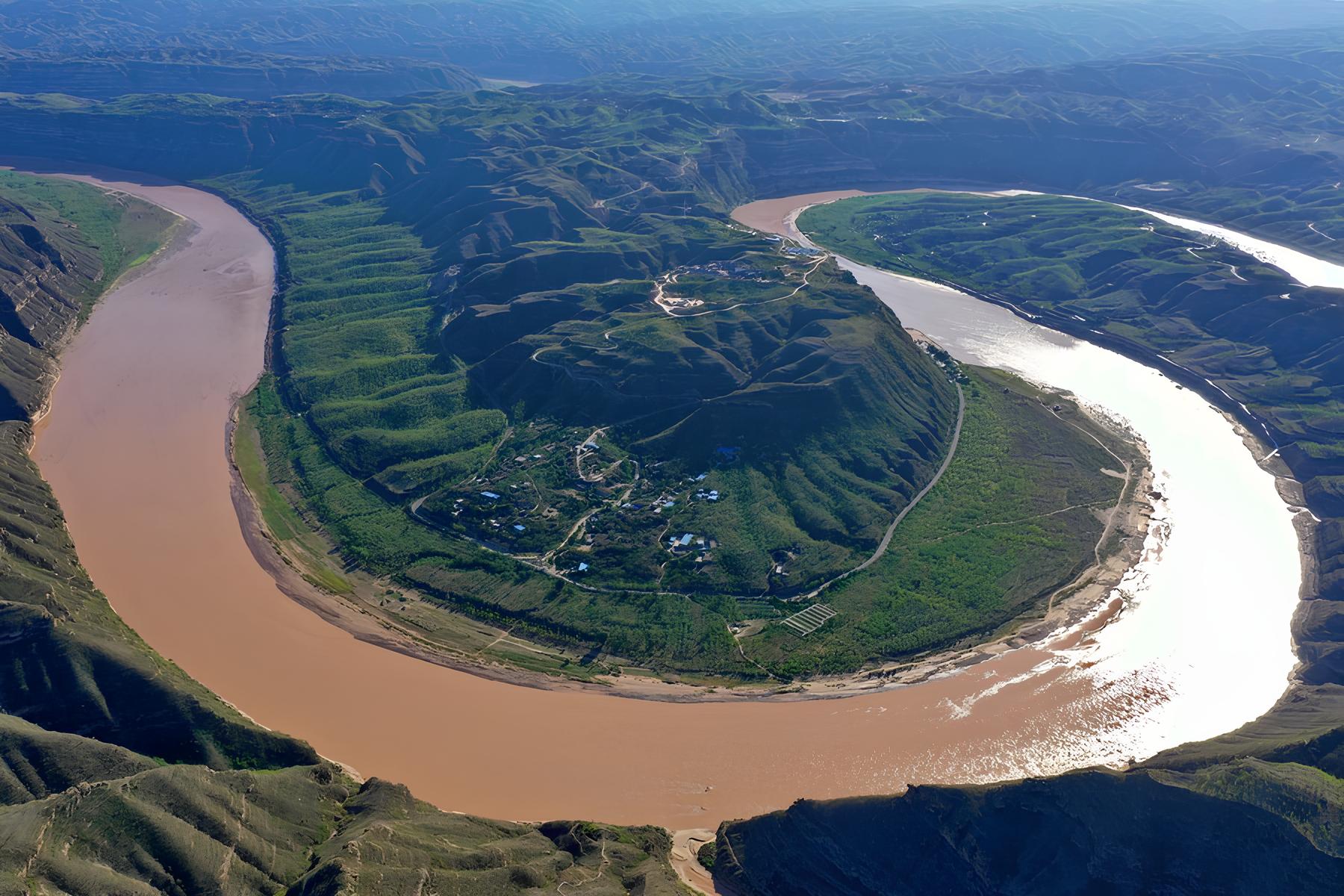


With More Than 1 Billion Tons of Sediment Per Year, the Yellow River Recreates Its Delta in China and Supports One of the Largest Coastal Protection Projects on the Planet.
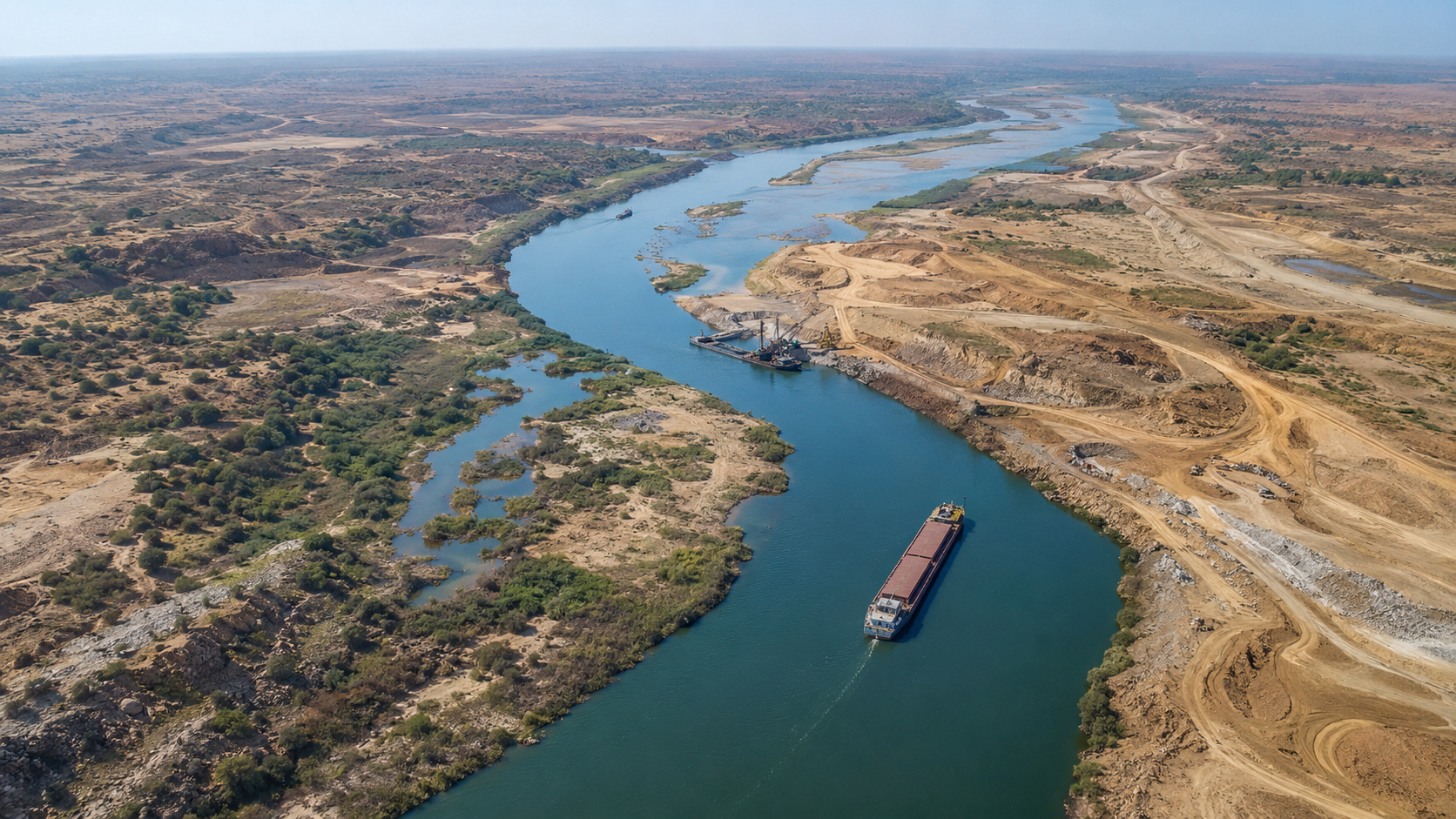
The Yellow River, known in China as Huang He, is one of the most extreme river systems on the planet. With a length of about 5,464 kilometers, it not only crosses the heart of the country but also carries an unprecedented amount of sediment among the world’s major rivers. It is estimated that, in historical periods, the Huang He has transported more than 1 billion tons of sediment per year, a volume capable of reshaping entire landscapes and literally creating new land where there was once sea.
This unique behavior has made the delta of the Yellow River one of the most dynamic on Earth. Unlike stable deltas that slowly grow over millennia, the delta of the Huang He advances, retreats, changes shape, and even position on decades-long scales, forcing China to deal with a continuous challenge: how to allow the river to build territory without destroying cities, ports, farmland, and coastal ecosystems.
Why the Yellow River Carries So Much Sediment
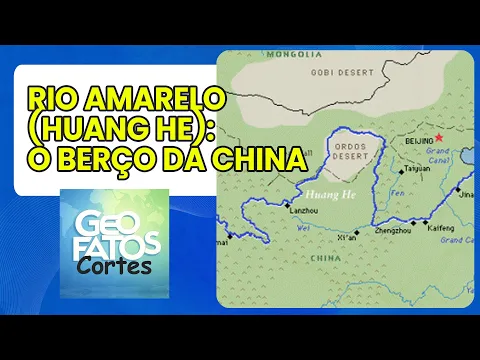
The explanation lies in the geology of northern China. The river originates in the Tibetan Plateau, but over thousands of kilometers crosses the Loess Plateau, one of the largest fine soil formations in the world.
-
What is trash for many became the entrance of a house for an Australian who spent seven years collecting over 450,000 cans and bottles on beaches and at festivals, demonstrating how a system that pays for recycled packaging can transform waste into income and remove trash from the environment.

-
Three records at once: a 23,163-ton ship was moved on 880 axle lines, 3,520 wheels, and also transferred to three barges with 26,900 tons on wheels.

-
Elderly individuals who intend to drive in Brazil should be aware of a new requirement involving the CNH.
-
“There’s something growling”: alleged UFO appears over river surrounded by forest in Campo Largo, and man reports lights from an object up to 70 meters hovering for 30 minutes before turning off and heading towards the house, in a mystery recorded on video.




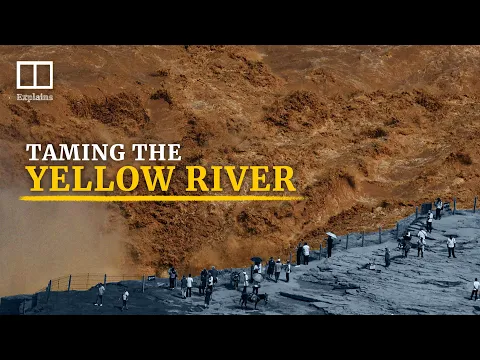

Loess is extremely fertile but highly unstable. Winds and rains easily fragment it, and each storm adds millions of tons of particles to the river’s flow.
This suspended material is responsible for the yellowish coloration that names the Huang He. During floods, sediment concentrations have been measured at up to 35 kg per cubic meter of water, a value considered extreme by modern hydrology.
In comparison, rivers like the Amazon carry more water, but with a much lower concentration of sediment.
A Delta That Literally Moves
Upon reaching the Bohai Sea, the Yellow River loses speed and deposits its solid load. The result is the continuous formation of sandbanks, temporary islands, and new land strips. In certain periods of the 20th century, the delta advanced more than 20 meters per year toward the sea, creating tens of square kilometers of new coastal areas.
But this growth is not linear. Changes in the river’s course, upstream damming, and control works alter the volume of sediment reaching the sea.
In certain years, the delta shrank, while in others it rapidly advanced again. This erratic behavior has turned the region into a true natural laboratory of geomorphology.
The Hidden Risk: Erosion, Subsidence, and Ecological Collapse
The same sediment that creates land also poses a risk. When the flow decreases, the sea begins to “steal” back the newly deposited material. Waves, currents, and coastal storms accelerate erosion, especially in areas where the delta is young and poorly consolidated.
Additionally, the natural compaction of sediments causes subsidence, a gradual sinking of the soil that can reach several centimeters per year. This process increases vulnerability to flooding, salt intrusion, and loss of natural habitats.
It was against this backdrop that China decided to transform the delta of the Yellow River into one of the largest coastal protection and ecological restoration fronts on the planet.
The Creation of 1.5 Million Hectares of Protected Wetlands
In recent decades, the Chinese government has implemented a large-scale strategy to balance engineering and nature. The heart of this policy is the protection and restoration of approximately 1.5 million hectares of coastal wetlands, including saline marshes, flooded areas, and tidal plains.
These zones serve as natural buffers. They absorb wave energy, reduce erosion, filter pollutants, and stabilize sediments deposited by the river. At the same time, they create essential habitats for migratory birds, fish, and invertebrates, many of which are of economic and ecological importance.
River Engineering to Control an Unpredictable River
In addition to environmental restoration, China has invested heavily in hydraulic works. Dams, levees, and diversion channels have been built along the middle and lower course of the Huang He to regulate floods and control sediment release.
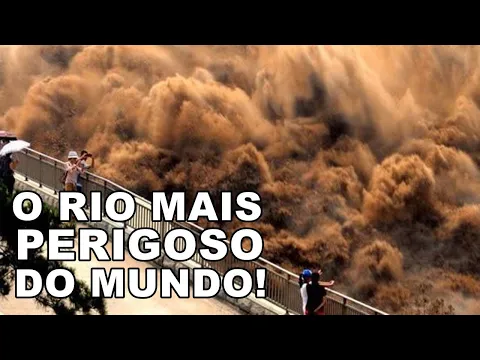
The challenge is delicate: retaining too much sediment can cause upstream siltation, while releasing too little sediment compromises delta formation.
Therefore, the current management seeks a dynamic balance, releasing controlled pulses of water and sediment during strategic periods to sustain the delta without causing disasters.
One of the Largest Coastal Experiments in the World
The delta of the Yellow River is now monitored by satellites, hydrological sensors, and continuous field studies. Scientists track the evolution of the coastline, the health of the wetlands, and the impact of climate change, especially sea level rise.
Few places on the planet bring together, at the same time, such extreme volumes of sediment, large-scale river engineering, and long-term environmental policies. What happens there influences global decisions on how to deal with threatened deltas in countries like Bangladesh, Vietnam, and Egypt.
When a River Creates and Threatens at the Same Time
The Yellow River is a natural paradox. It is responsible for fertilizing agricultural plains, creating new lands, and sustaining entire ecosystems, but it also carries the potential for erosion, flooding, and environmental collapses on a continental scale.
By protecting 1.5 million hectares of wetlands while managing an annual sediment flow that exceeds 1 billion tons, China conducts one of the largest tests ever made between nature and engineering.
The success or failure of this effort may define the future of coastal regions around the world that literally depend on the balance between rivers and seas.




Gostei. Obrigada.
SA/SP.30.01.2026.
Torcemos para o sucesso desse esforço