Portuguese
  Spanish


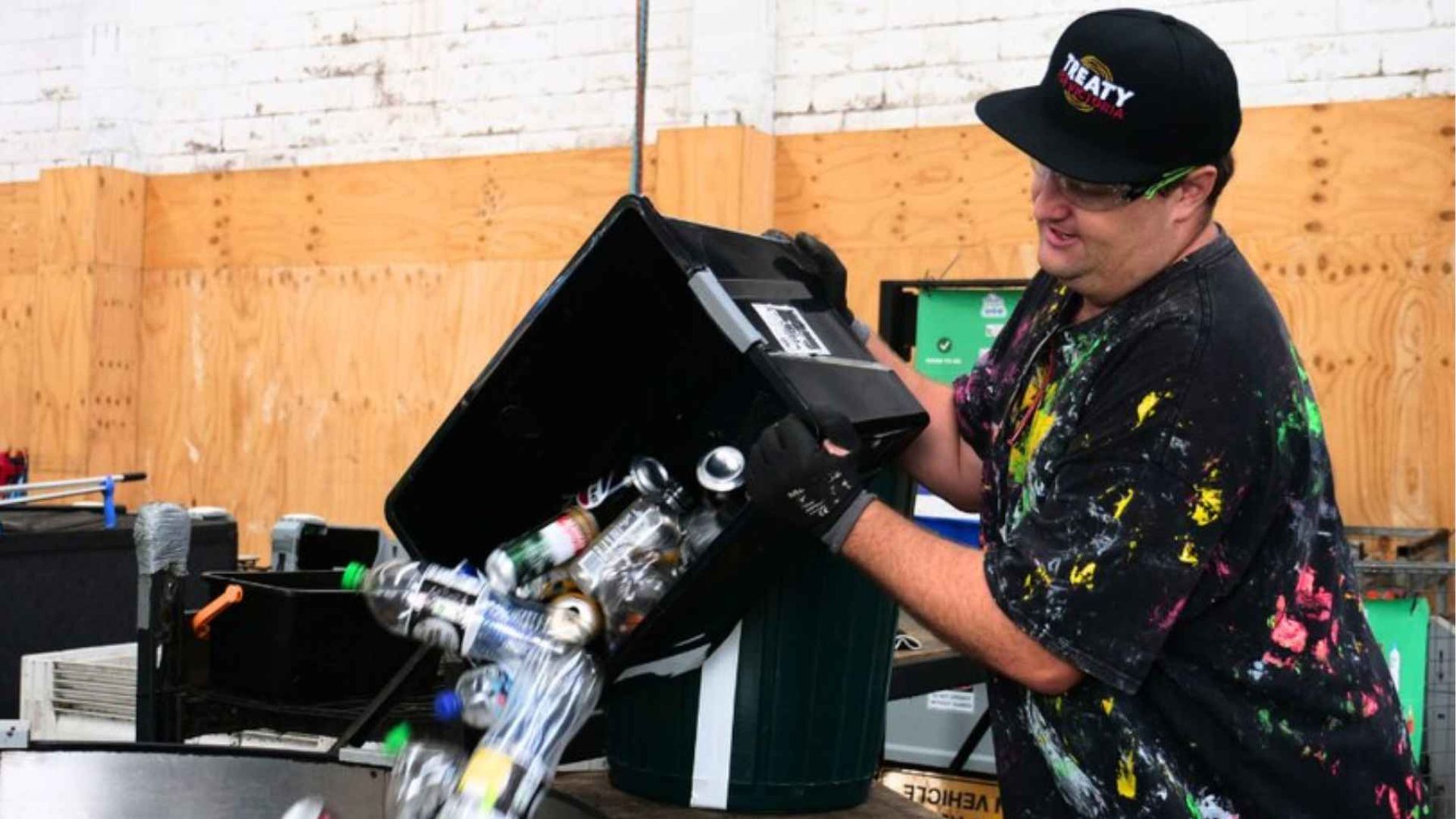

The image is powerful: years of picking up from the ground what others discarded, until accumulating an amount that opened the door to a home. But it is worth the warning right from the start: it was neither luck nor a shortcut to get rich. It was daily routine, a fixed job in parallel, and a public program that values what would be discarded.
What for many is just trash turned into the entry of a house for a determined Australian. Damian Gordon, a resident of the Central Coast of New South Wales, Australia, spent about seven years collecting more than 450,000 cans and bottles on beaches, parks, and music festivals, turning this effort into enough income to kickstart the purchase of a property, while also helping to remove waste from the environment.
The story, reported by the Australian public broadcaster ABC News, gained international attention by uniting two current themes: the excess of discarded waste and the difficulty of saving money to buy a home. Before anything else, however, it is important to clarify that this is not a magic formula for getting rich: as we will see, the feat took seven years, was balanced with a full-time job, and was only possible thanks to a public program that pays for recycled packaging.
How it all started during walks on the beach
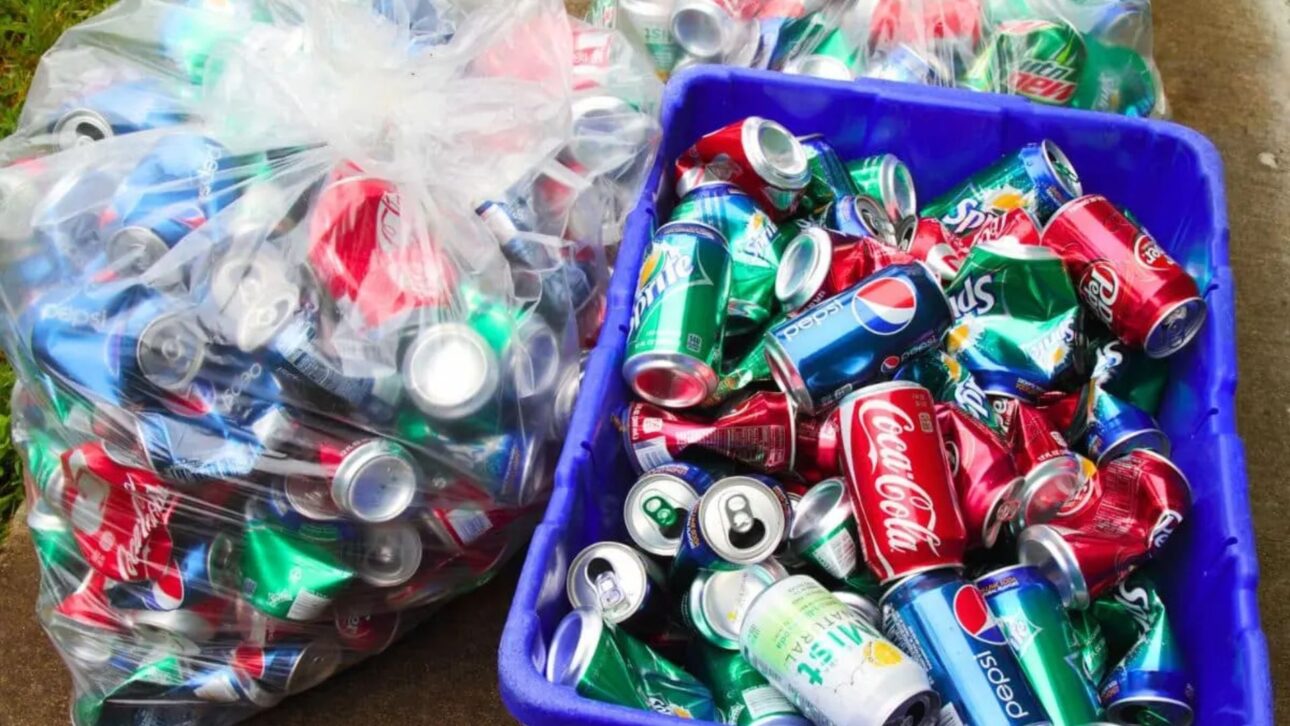
According to ABC News, Gordon started in 2017 collecting bottles and cans during walks on the beach to relax after work, without any financial plan, just bothered by the trash he saw scattered where it shouldn’t be, and gradually what was a small task turned into a daily routine.
-
At 17, she hand-painted her first watercolor design for school uniforms; her brand grew without investors, sold 135,000 pieces, and aims for $3 million in revenue by 2026.

-
Shell Discovers Intact Early 19th-Century Wooden Shipwreck in the Gulf of Mexico at Over 1,300 Meters Deep
-
Brazilian Entrepreneur Turns Door-to-Door Jewelry Sales into a Family Business Empire with Over 70 Stores

-
$75 Million Bridge in Brazil Opens to Connect Cities, Create Jobs, and Cut Travel Time from 30 to 2 Minutes; Spanning 1.24 km, It’s Among the Country’s Largest and Ends Decades of Ferry Queues.




The money, according to him, accumulated without him noticing, in a bank account whose balance he didn’t usually check.
This detail is important: there was no immediate reward, but a gradual way to save without touching the saved amount.
Over time, that silent amount turned into enough for him to place a bid at an auction and purchase, in 2024, an old and modest two-bedroom fisherman’s house.
How the program that pays for trash works
The key to the whole story lies in a specific public policy.
The Return and Earn program, New South Wales’ container deposit and return system, pays 10 Australian cents for each eligible container, such as cans, glass or plastic bottles, and drink cartons, returned to an authorized collection point, turning discarded waste into small recurring income sources.
It was the accumulation of these cents, repeated hundreds of thousands of times, that explains the result: at 10 cents per container, the approximately 450,000 returns yielded about 46,000 Australian dollars, equivalent to more than 40,000 euros.
According to the organization responsible for the program, this is the largest individual refund total on record, a milestone that helped transform Gordon into a kind of recycling symbol in the country.
Festivals as “gold mines”
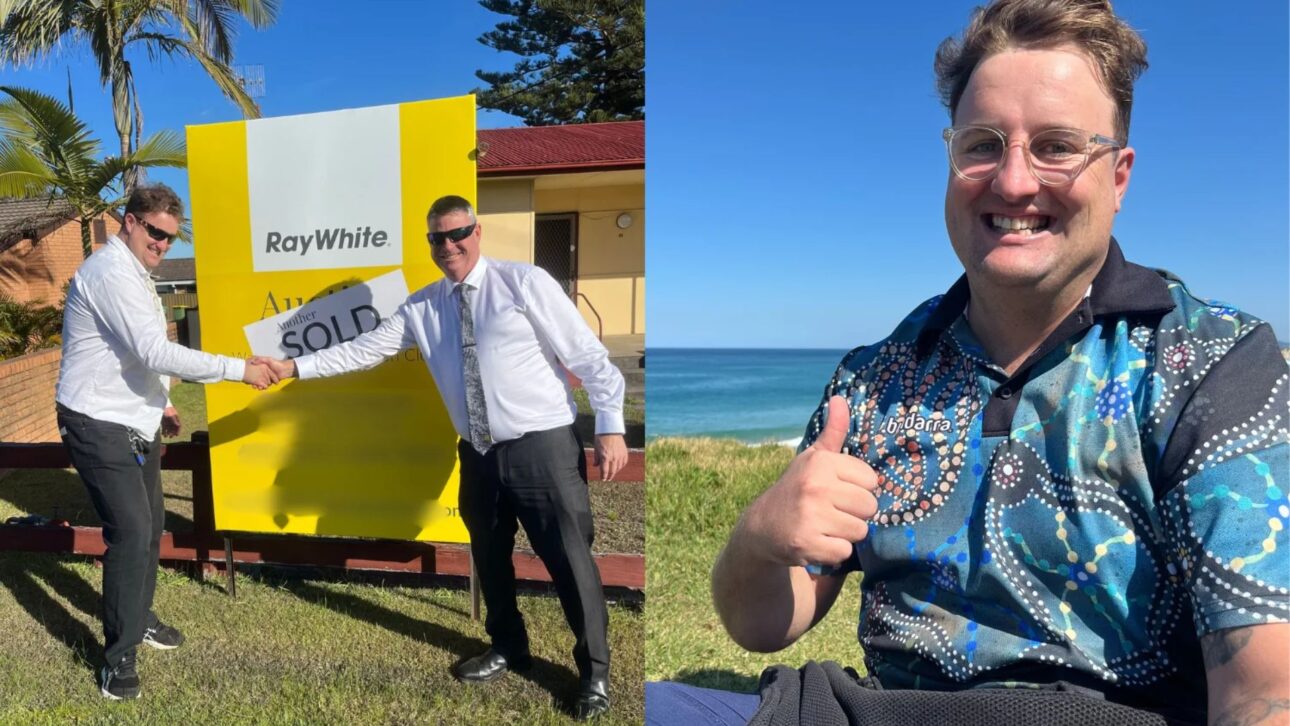
In addition to collecting containers on his walks, Gordon started volunteering at music festivals, events that generate huge amounts of trash in a few hours and which became, in his words, his true gold mine for collecting cans and bottles.
Australia hosts hundreds of festivals each year, and it was at these events that he managed to gather thousands of containers in just a few days, while feeling part of the musical culture.
For Gordon, cleaning up after shows, usually the least glamorous part, was an opportunity to care for the environment and get closer, can by can, to his goal of buying a house.
The warning: it’s not a get-rich formula
Here is the point that prevents turning the story into a false promise.
Collecting cans alone will not allow anyone to buy a house: Gordon took seven years, maintained a stable job in parallel, and took advantage of places where large quantities of containers were generated, making his case a result of much consistency, not a stroke of luck.
The numbers themselves put everything in perspective.
The 450 thousand packages in seven years represent more than 64 thousand per year, an average of about 176 per day. Internet users calculated that the gain was equivalent to a modest amount per day of effort.
The true lesson, therefore, is not about getting rich from waste, but about how a functioning deposit system makes waste cease to be invisible and start to have value for the person, the community, and the environment.
The environmental impact behind the story


Beyond the individual case, the program has impressive sustainability numbers.
According to the New South Wales Environmental Protection Agency, Return and Earn reached, at the beginning of 2026, the mark of about 15 billion recycled packages and about 1.5 billion Australian dollars returned to citizens since its launch in 2017, with significant environmental benefits for the state.
The agency estimated that these gains were equivalent to the energy savings of thousands of homes for a year and a reduction in emissions comparable to removing about one million cars from the streets in the same period.
It is worth remembering that recycling materials like aluminum saves a large part of the energy that would be spent on production from new raw materials, according to industry entities, which reinforces why the recovery of packages is so important for the planet.
What this has to do with Brazil
The Australian story sparks a direct reflection on the Brazilian reality.
In Brazil, thousands of recyclable material collectors already make a living from collecting cans, bottles, and other waste, but the country is still discussing how to expand reverse logistics systems and incentives for returning packages, as provided in the National Solid Waste Policy, which could further enhance this work.
Deposit and return models like that of New South Wales are pointed out by experts as effective ways to increase recycling and reduce waste in the environment, generating income in the process.
Following successful international experiences can inspire public policies and private initiatives here, in a country that has enormous recycling potential and a population that, for the most part, already understands the value of reusing what would be discarded.
The journey of the Australian who collected 450 thousand cans and bottles to make a down payment on a house is inspiring precisely because it is not a miracle, but the patient sum of small daily gestures, supported by a public policy that values what would be thrown away.
More than the surprising headline, the lesson remains that waste has a cost, and it can also have a better destination.
In times of excessive disposal and expensive housing, the story reminds us that real changes usually come slowly, one can at a time, when personal effort and good systems work together.
And you, what did you think of this story of turning cans and bottles into part of a house? Do you think Brazil should adopt more programs that pay for the return of recyclable packaging? Leave your comment, tell us if you usually recycle, and share the article with those interested in sustainability, economy, and good stories of overcoming challenges.