Portuguese
  Spanish


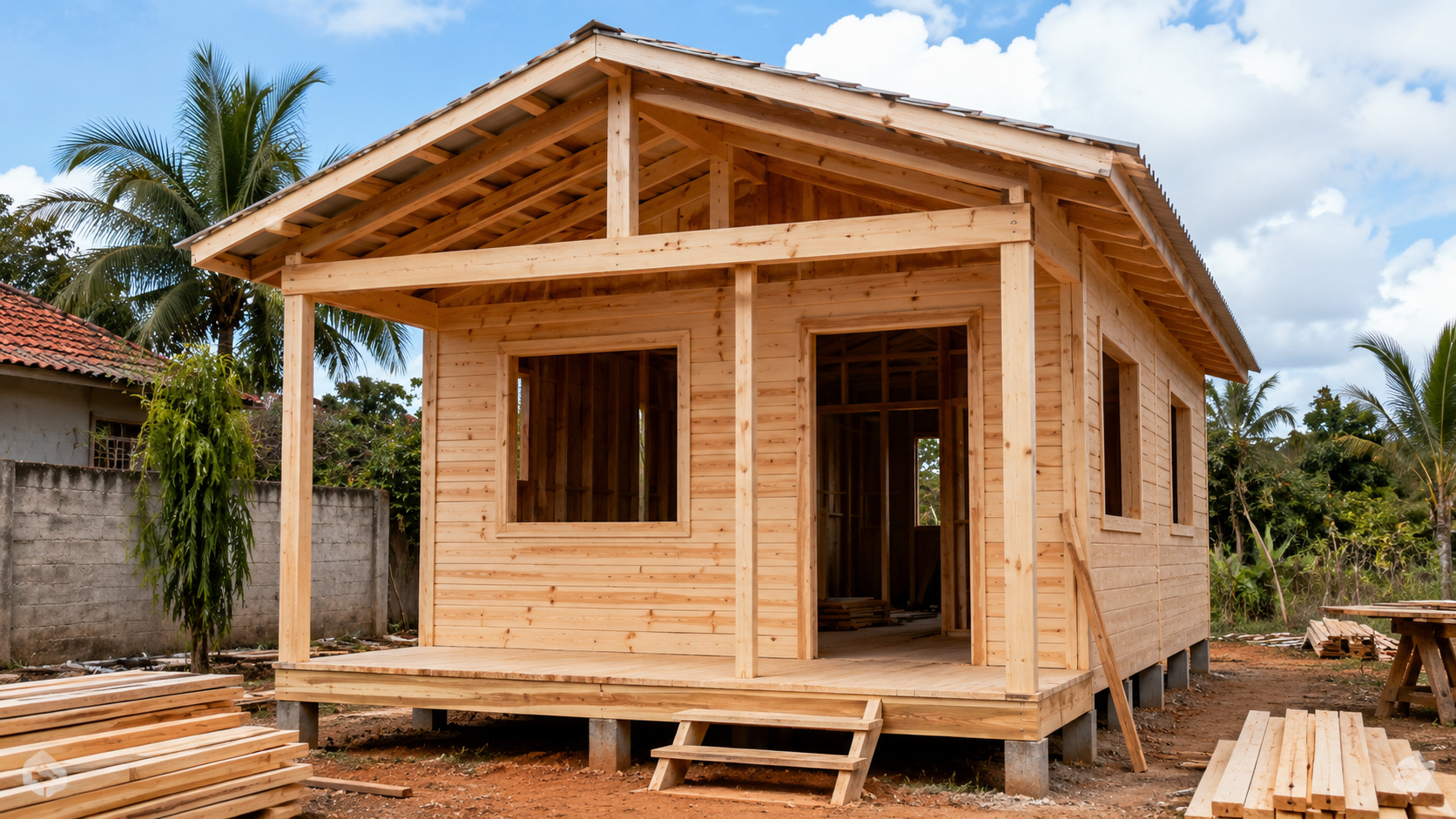

Pine wood house kit of about 30 m² can cost R$ 20 thousand for the raw structure, while ready-to-move-in versions are below R$ 50 thousand, with faster construction, less waste, and lower cost than conventional masonry.
According to Cronoshare, a wood house kit of approximately 30 m² costs around R$ 20 thousand. This value only covers the raw structure, such as walls, foundation, and roof, without labor, complete installations, and final finishes. For those looking for a popular 25 m² ready-to-move-in house, with assembly included, projects already exist for less than R$ 23 thousand. The difference between these prices depends directly on what is included in the kit, the finishing standard, and the services contracted separately.
The national average cost per square meter for conventional masonry reached R$ 1,810.25 in March 2025, according to SINAPI. This means that a 30 m² house made of brick and cement can cost at least R$ 54 thousand just for materials and basic labor, not counting unforeseen events, projects, and special foundations.
Autoclaved pine wood house reduces cost and speeds up construction
Pine is the most used wood in popular prefabricated house kits in Brazil for two main reasons: rapid growth and good raw material cost. Furthermore, it is compatible with autoclave treatment, which increases its resistance for residential use.
-
With 26 Million Brazilian Families in Substandard Housing, Churches to Launch 2026 Challenge: Each Parish to Build or Renovate a Home for a Local Family

-
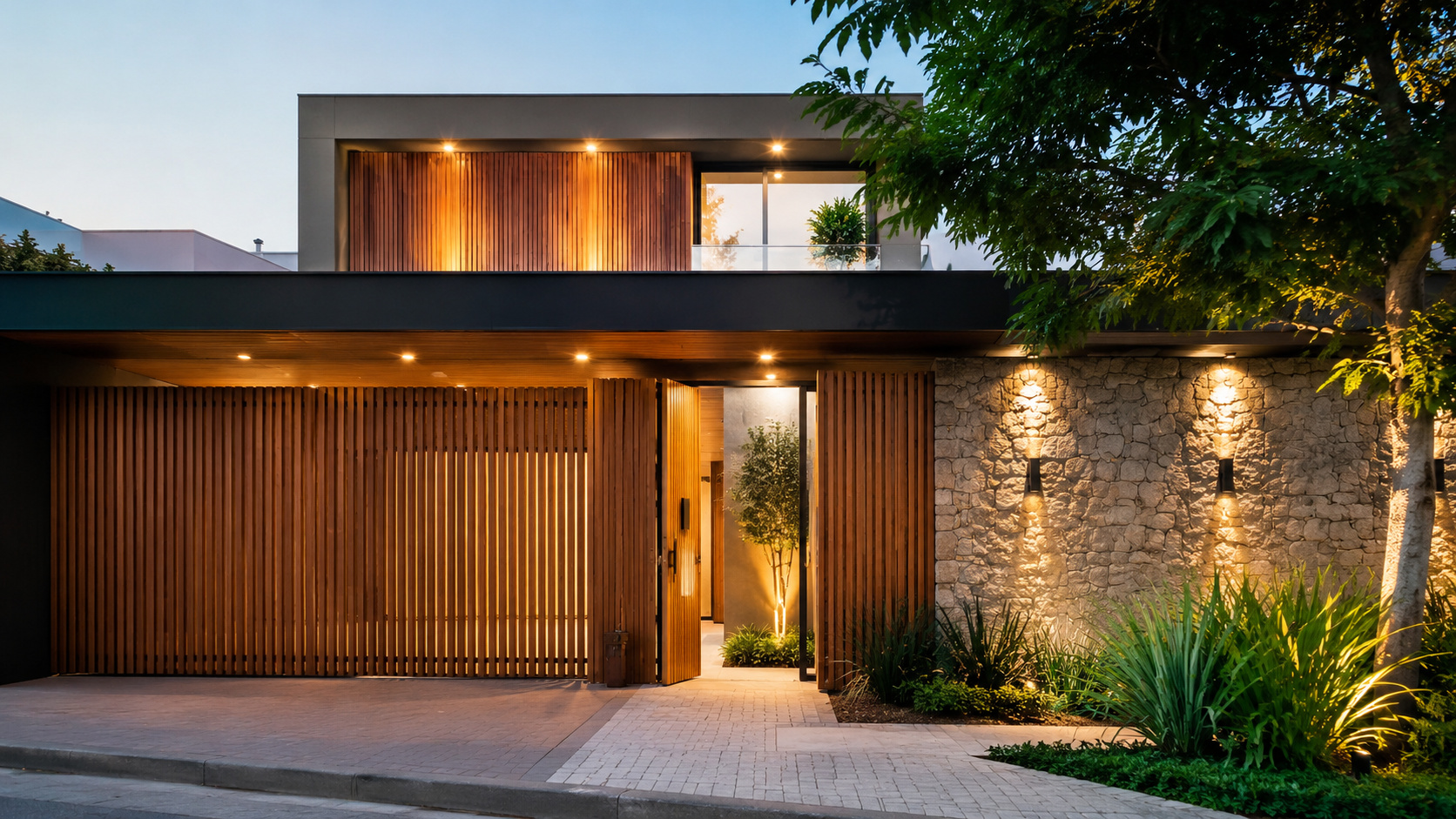
Wood-Look Aluminum Emerges as a High-Tech Alternative for Facades and Gates, Offering Sophisticated Aesthetics and Low Maintenance

-
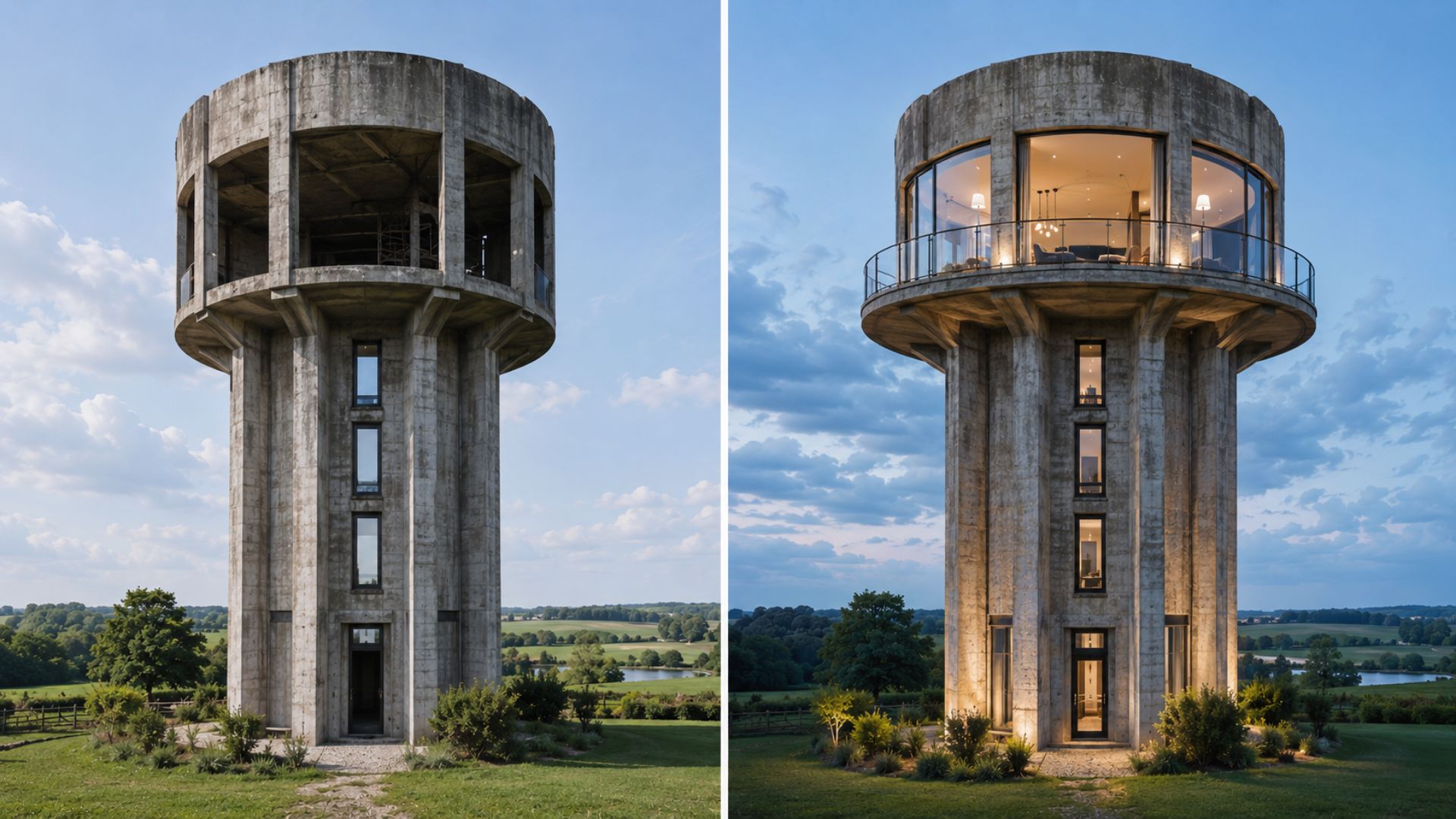
Couple Transforms 1964 Concrete Water Tower into Four-Bedroom Home with Views of London Over Four Years
-
U.S. City Builds Tiny Home Village on Water Company Land to House 136 Homeless People: Inside the Social Housing Units



Autoclave treatment impregnates the wood with chemical preservatives under controlled pressure and temperature. This process improves protection against insects, fungi, borers, and woodworms, problems historically associated with wooden houses in Brazil.
Companies in the sector offer structural guarantees against these attacks, in some cases for up to 15 years. Thus, autoclaved pine becomes a viable alternative for simple, fast, and cheaper houses than conventional masonry.
R$ 20 thousand wood house kit does not include all finishes
The basic wood house kit usually includes the structural lumber, such as walls, ceiling, battens, doors, windows, trims, baseboards, conduits for electrical wiring, cove molding for the ceiling, screws, locks, and handles.
What is usually not included in the advertised price are foundation materials, complete electrical and hydraulic installations, glass doors and windows, roof tiles, thermal blankets, flooring, coverings, paint, sanitary ware, and total labor.
In practice, these additional items can represent 30% to 50% of the final cost of the work, depending on the region, the chosen standard, and the supplier. Therefore, the kit price should be treated as a starting point, not as the final price of the finished house.
Finished house for less than R$ 50 thousand depends on assembly, foundation, and basic finish
The difference between a R$ 20 thousand structural kit and a finished house for up to R$ 50 thousand lies in the services and materials that transform the structure into a habitable dwelling. This includes foundation, electrical, plumbing, flooring, roofing, painting, and finishing.

The foundation can cost between R$ 3 thousand and R$ 10 thousand, depending on the soil and the region. Electrical and hydraulic installations also need to be calculated separately, along with sanitary ware, drains, coverings, roof tiles, and thermal protection.
According to data from local suppliers cited in the base text, additional items can cost an average of R$ 280 per m² in Santa Catarina. With a kit, assembly, and simple finish, a 30 m² wood house can range from R$ 35 thousand to R$ 50 thousand.
Prefabricated wood house is ready in less time than masonry
The most striking advantage when comparing wooden houses and masonry is the timeline. A conventional 30 m² masonry house can take 4 to 12 months to be ready, considering concrete curing, sequential stages, and dependence on various professionals.
A prefabricated wooden kit can be assembled at a rate of 1 to 2 m² per day, with local labor trained by the supplier. For a 30 m² house, this represents about 15 to 30 days of assembly after the kit arrives at the site.
The kit delivery time from the factory usually varies from 15 to 45 days. In total, from contracting to moving in, it is possible to complete a prefabricated wooden house in 60 to 90 days, depending on the supplier, climate, terrain, and documentation.
Wood construction generates less waste than conventional masonry
The prefabricated wooden house reverses the logic of traditional construction because the pieces arrive cut to the correct size and are assembled on site like an interlocking system. This reduces waste, rework, and material loss.

In conventional masonry, waste can reach 30%, according to industry data cited in the base text. For a budget of R$ 54,000 for a 30 m² house, this can represent up to R$ 16,200 in lost material, such as cement, sand, blocks, mortar, and plaster.
In the prefabricated system, waste can be below 1%, precisely because production occurs in a controlled environment. Less debris, fewer improvised cuts, and less rework help keep the budget more predictable.
Prefabricated wooden house requires a descriptive memorandum before purchase
The R$ 20,000 kit may be real, but the buyer needs to verify exactly what is included. The most important document before signing the contract is the descriptive memorandum, which details materials, thicknesses, parts, accessories, and excluded items.
Two kits with the same price can have completely different scopes. One may include more doors, windows, and finishing components, while another may only deliver the minimum structure for assembly.

The recommendation is to compare two or three suppliers with the same level of detail, looking not only at the final price but also at the kit’s content. The lowest advertised price can turn out to be more expensive if many essential items are left out of the contract.
Wooden houses also need a permit, project, and occupancy certificate
Prefabricated houses follow the same legal process as masonry constructions. It is necessary to obtain a construction permit from the city hall, present a project signed by an engineer or architect, with ART or RRT, and request the Habite-se (occupancy certificate) after completion.
These costs are not included in the kit price and can vary from R$ 1,500 to R$ 5,000, depending on the municipality and the complexity of the project. It is also essential to verify if the city hall allows prefabricated construction in the zone where the land is located.
With this information, the wooden house kit ceases to be just an advertising promise and becomes a calculated project. The advantage lies in combining lower cost, shorter timeline, reduced waste, and clear planning before construction begins.