






 Portuguese
  Spanish


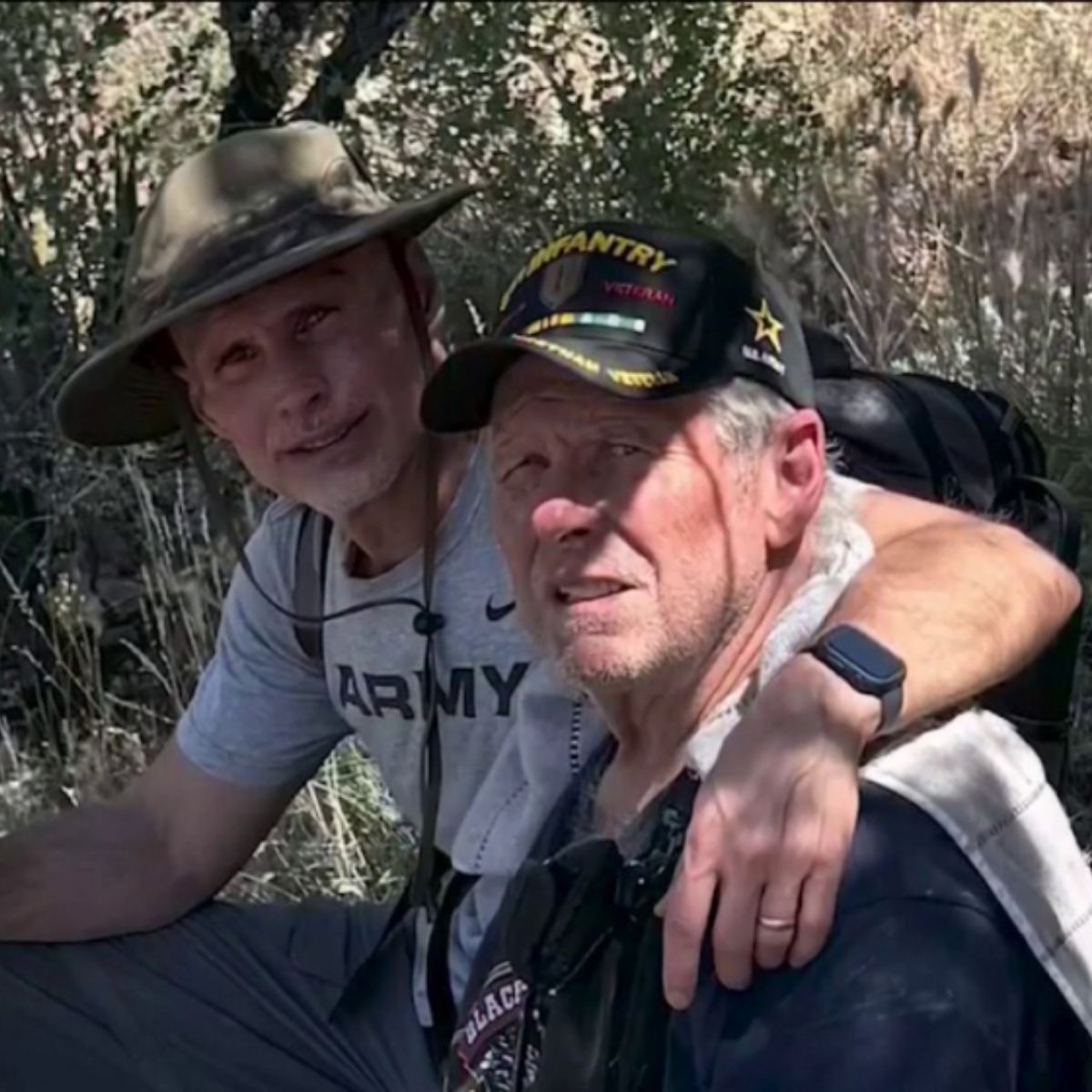

Mark Young, 76-year-old senior, was found alive after four days in the Arizona desert without water or food, using a survival strategy based on shade and wind shelter, until his children located him by hearing his screams near Bloody Basin Road.
76-year-old Mark Young disappeared after going camping alone in a desert region of Arizona, United States, and spent four days without water or food until he was found alive by his own children during a search operation coordinated by the Yavapai County Sheriff’s Office. Young was in Arizona for a wedding ceremony and chose to stay longer after his wife returned, taking advantage of his trail experience in the region to camp on his own in an area near Bloody Basin Road, a road that cuts through difficult-to-access desert terrain. The senior’s absence was noticed when he did not attend a pre-arranged dinner, and the family reported him missing the next day.
Searches quickly located the senior’s rented vehicle parked near the road, with personal belongings inside, including his sleeping bag, a sign that he had traveled on foot through the desert without adequate overnight equipment. The discovery increased the concern of the teams and family members, as the region features irregular terrain, high daytime temperatures, and conditions that make survival without water extremely difficult for more than 48 hours. The main hypothesis was that the senior had become disoriented after nightfall and was unable to return to where he left the vehicle.
How the senior survived four days without water in the Arizona desert

The strategy that kept Mark Young alive was both simple and effective. During the day, the senior sought out shaded areas to reduce exposure to the intense desert heat, minimizing fluid loss through perspiration and preventing his body temperature from rising to dangerous levels. At night, when the desert cools rapidly, he looked for locations with less wind to protect himself from the low temperatures that can drop to equally threatening levels in the early morning hours.
-
Brazil Secures Second Place at WorldSkills 2024 in Lyon, with 64 Young Professionals and 8 Medals, Including Gold from a Rio de Janeiro Hairdresser

-
3,000 Military Personnel from 10 Countries, Including US and Chinese Marines, Train Together in Brazil’s Savanna: Operation Formosa Becomes Largest Naval Ground Exercise Before First Cancellation Since 1988
-
UAE Sends 110 Date Palm Trees to Brazil, Signs $4 Million Deal to Boost Date Production in Bahia’s Hinterland, with Presidential Palace Receiving 10 Saplings
-
The Day the Soviet Union Forfeited Against Chile, Leading to an Uncontested Goal and a Spot in the 1974 World Cup


The senior also tried to make fire for signaling but failed, and relied exclusively on his ability to choose natural shelter points in the terrain to withstand the adverse conditions. For a 76-year-old man without access to any resources, staying conscious and in controlled movement for four days in the desert required a combination of physical endurance, prior experience with wild environments, and discipline to manage energy in a body that received neither hydration nor nutrients.
The moment the children found the senior by voice
While search teams covered different directions in the desert area, family members participating in the operation reported hearing screams coming from a zone with denser vegetation. The origin of the sounds was not immediately identified, and the search groups split up to expand coverage of the terrain in the direction from which the calls seemed to come. It was during this movement that Mark Young’s own children managed to locate the senior, who still had the strength to shout and attract attention.
Lieutenant Chuck Owens, from the Yavapai County Sheriff’s Office, confirmed that voice contact was the decisive factor in the senior’s rescue. “Family members heard him calling and were able to find him,” the agent stated, emphasizing that the direct participation of the children in the search made a difference in the outcome. Young was found conscious, dehydrated, and with minor injuries consistent with prolonged walking through Arizona’s rugged terrain, and was transported by helicopter to a local hospital, where his condition was classified as stable with an expectation of full recovery.
What the family experienced during the four days the senior was missing
Uncertainty dominated the first few days. Lydia Young, the senior’s daughter-in-law, told local media that initially the family imagined Mark might have decided to extend his stay on his own, a behavior that would not be uncommon given his adventurous profile and experience with the region. However, as hours turned into days without any contact, concern turned into anguish, and family members joined official teams to personally search the area where the senior usually camped.
The decision to actively participate in the search proved to be correct. Without the presence of his children on the ground and their knowledge of their father’s habits, the elderly man’s cries might have gone unnoticed or been interpreted as ambient sounds. The fact that family members were in the right place, at the right time, listening with the attention of someone who knows the voice they are looking for, transformed what could have been a tragedy into a rescue story, and the helicopter that took the elderly man to the hospital represented the end of four days that the Young family does not intend to repeat.
What the elderly man’s case teaches about desert survival
Mark Young survived because he made the right choices within the options he had. Survival experts point out that seeking shade and reducing physical activity during the hottest hours are the two most important decisions a person can make when running out of water in the desert, as every unnecessary movement accelerates dehydration and brings the body closer to collapse. The 76-year-old man had no technology, equipment, or supplies, but instinctively applied survival principles that trained professionals follow in extreme situations.
The case also reinforces two recommendations that authorities constantly repeat for those venturing into remote areas. The first is never to camp alone without informing someone of your exact itinerary and estimated return time. The second is to carry more water than you think you’ll need, because the desert consumes body reserves at a surprising speed, even for experienced individuals. Mark Young knew Arizona, had experience with trails, and yet was trapped for four days in terrain that almost defeated him. The elderly man returned home, but the outcome could have been different if his children hadn’t heard that scream.
And you, would you have the courage to camp alone in a desert region at 76 years old? Do you think prior experience saved Mark Young or was it pure luck? Leave your opinion in the comments.


