






 Portuguese
  Spanish
  5 min of reading
  3 comments


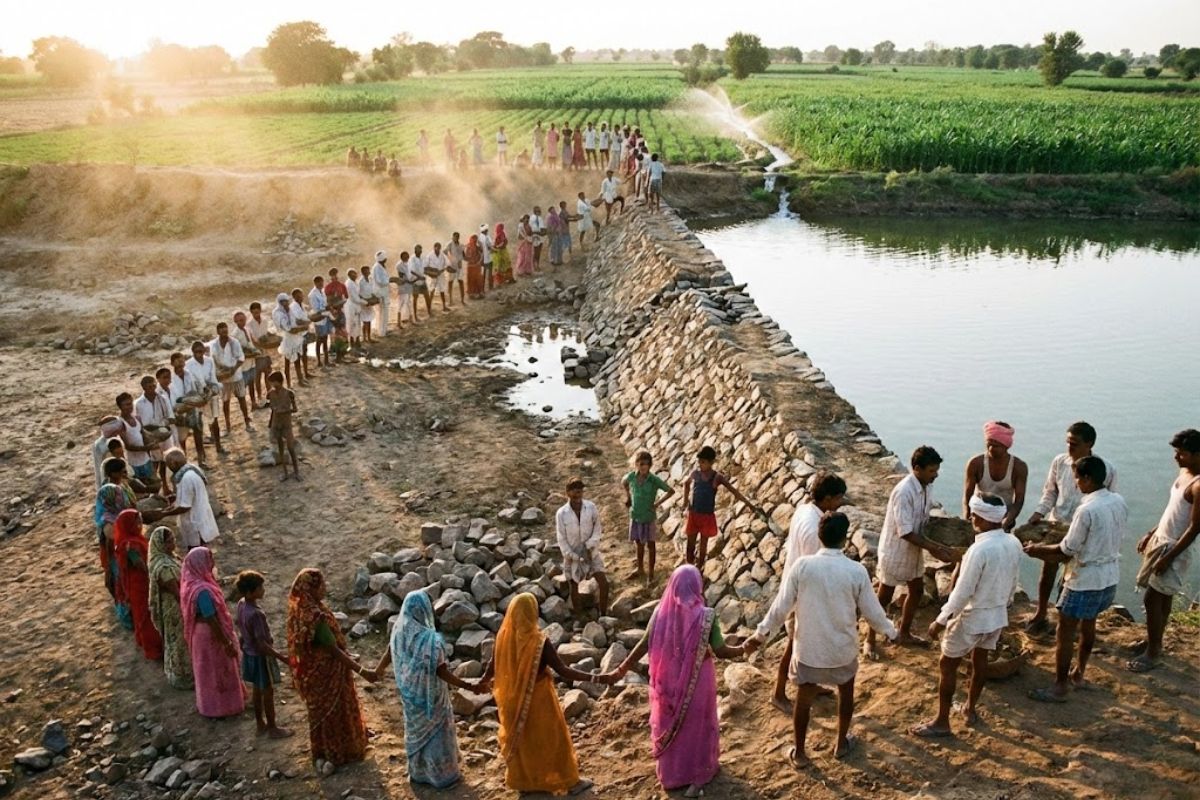

In The Indian Village Mahalpada, In The District Of Dang, Gujarat, Water Lasted Only Until The End Of The Monsoon Season, And The Aquifer Fell. Residents Organized, Built And Repaired Small Dams, Secured Local Jobs, And Implemented Sanitation: 230 Bathrooms, Monthly Cleaning, Self-Help Groups And Child Health For All.
The Indian village Mahalpada Lived For Years With A Simple And Harsh Logic: When The Rainy Season Ended, The Water Also Disappeared. The Aquifer Dried Up, Agriculture Lost Momentum, And Even Drinking Water Became Scarce, Driving Families Out Of The Village In Search Of Work.
What Stands Out Is Not A “Big Project” Coming From The Outside, But The Way The Community Itself Decided To Act: Stone By Stone, With Men And Women Working Together, Combining Water Solutions With Sanitation And Social Organization, Until Transforming Seasonal Survival Into Stability Throughout The Year.
When The Rain Left, The Water Left With It

Mahalpada, In The Interior Of Gujarat, Is Described As A Village That Depended On A Short Cycle Of Abundance And A Long Period Of Scarcity. It Rained, The Fields Responded, But Soon The Water “Disappeared” And The Routine Returned To A State Of Scarcity, Interruption, And Uncertainty.
-
Small pygmy hippopotamus is born in Germany, surprises veterinarians with healthy growth and steals the show at the Berlin Zoo

-
Brazilian mechanic invented a lamp made from a PET bottle during the 2001 blackout, the idea turned into an NGO present in 30 countries and has already illuminated 40,000 people in 200 communities without electricity in Brazil.

-
Centuries-old mystery gains new chapters in Greece after excavations reveal a possible lost temple of Poseidon, hidden among ancient lagoons, monumental remains, ritual objects, and an architectural plan that surprised even the experts.
-
2-month-old baby says “I love you” to parents and the video froze the internet: doctors say most babies only speak after the first year of life




This Scenario Creates A Cascading Effect: Without Enough Water, Agricultural Production Weakens, Income Decreases, And Local Jobs Become Scarce. Migration Becomes A Survival Strategy, Because Staying Means Accepting Months Where The Land Cannot Sustain.
Stone Dams And The Logic Of “Check Dams” In Recharging

The Turnaround Narrated In Mahalpada Begins With A Small-Scale Solution, But With Cumulative Impact: The “Check Dams,” Small Retention Dams Built And Repaired Through Collective Effort. In Practice, They Reduce The Speed Of Runoff, Hold Water Longer, And Favor Infiltration, Helping To Recharge The Aquifer.
The Technical Point Here Is Crucial: It’s Not Just About “Having Water On The Day Of Rain,” But Rather Creating Conditions For Part Of That Water To Remain Available Afterwards. When The Community Reports That The River Overflowed Before The Rainy Season “For The First Time In Years,” The Message Is That The System Started To Retain And Redistribute Water In The Territory, Instead Of Seeing It Disappear Quickly.
Community Work, Local Income, And The Brake On Migration
The “Who Did It” Appears Directly: Residents Of The Indian Village, Men And Women, And Even Mention Of Masons Who Helped Put Technique And Labor Into The Collective Effort. There Is Also Reference To The Support Of A Rural Program Associated With Aga Khan, Indicating A Combination Of Local Mobilization And Structured Support.
A Highlighted Practical Effect Is That Residents Managed To Work “In Their Homes,” With Food Organized For Those Who Worked, Which Suggests A Community Logistics To Sustain Projects And Volunteers. This Kind Of Arrangement Matters Because It Prevents Only A Part Of The Village From Bearing The Burden Of Work, And Because It Turns Water Intervention Into A Source Of Income.
With Water Lasting Beyond The Rainy Season And Work Being Closer, Migration Decreases. The Phrase “People No Longer Migrate Because The Land Sustains” Summarizes A Fundamental Change: When The Fields Resume Production, Forced Movement Becomes Choice, And Local Life Gains Stability.
Sanitation And Hygiene: Why 230 Bathrooms Change A Village
The Story Does Not Stop At Water. In Mahalpada, A Clear Diagnosis Appears: “Just New Water Does Not Build A Village.” The Next Step Was To Address Health And Hygiene As Part Of The Same Equation Of Dignity And Permanence.
The Goal Was Simple To Understand And Difficult To Execute: A Bathroom In Every House. The Recorded Number Is Straightforward: 230 Bathrooms Built.
This Changes Domestic Routine, Safety, Privacy, And Public Health, Because Sanitation Reduces Exposure To Contaminated Environments And Improves Quality Of Life, Especially For Children.
In Addition To Construction, There Is A Component Of Community Maintenance: Organized Cleaning, With Roads Cleared Monthly, And A Culture Of Care That Becomes Part Of Daily Life, Not A One-Time Action.
Women, Shakti Groups, And Care Networks
One Of The Most Concrete Points Is The Role Of Women. They Appear Not Only As Participants, But As The Axis Of Continuity: “Shakti Became The Cornerstone Of Transformation.”
What This Means In Practice Is Organization For Cleaning, Work In The Fields, And Education Of Children, As Well As Participation In Public Affairs.
Self-Help Groups Also Emerge To Save And Plan For A Better Future, Along With Mentions Of Health And Nutrition Actions Related To Children And Infants, With References Such As Anganwadi And Arogya Sakhi, Signaling A Local Care Network.
When Sanitation, Water, And Social Organization Walk Together, The Change Sustains Even When No New Works Are Happening.
This Detail Answers, Without Needing To Explicitly State, Why The Transformation Went Beyond Water: Because Habits, Local Governance, And A Sense Of Shared Responsibility Changed Along With The Infrastructure.
What The Story Of Mahalpada Reveals Beyond Gujarat
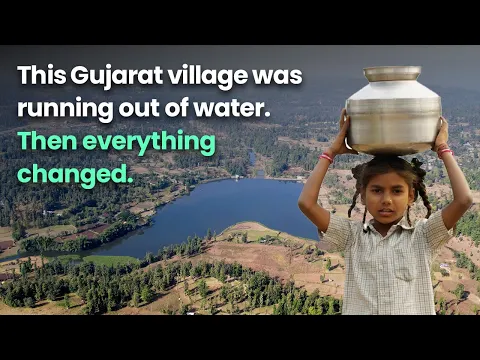

The Indian Village Mahalpada Also Appears As The Theme Of Episode 2 Of “Humaare Gaon Humaari Shaktee,” A Miniseries That Marks The 25th Anniversary Of Tata Shaktee And Seeks To Portray The Daily Strength That Builds Rural India.
This Information Helps To Understand The Format Of The Account, But The Core Of The Experience Remains Verifiable By The Internal Elements: Water That Previously Ran Out, Aquifer In Decline, Collective Action, Retention Dams, Sanitation, And Decreased Migration.
What Remains As A General Lesson Is Not A Magic Formula, But A Logical Sequence: First, Ensure That Water Remains In The Territory; Then, Transform This Into Economic Stability; And, In Parallel, Treat Sanitation And Health As Infrastructure As Essential As The Dams. It’s The Sum Of Layers That Changes The Destiny Of A Community, Not An Isolated Gesture.
In The End, The Image That Imposes Itself Is That Of A Village That Has Stopped Being A Prisoner Of A Scarcity Calendar And Has Started Planning For The Entire Year, With Agriculture In Various Seasons And More Organized Community Life.
The Trajectory Of Mahalpada Shows How An Indian Village Can Move From A Cycle Of Recurring Scarcity By Combining Simple Water Solutions With Collective Discipline, Sanitation, And Local Care Networks.
It’s Not A Miracle Story: It’s A Story Of Continuity, Distributed Work, And Practical Choices That, Over Time, Rejuvenated The Aquifer And Reduced Migration.
If You Lived In A Place Where The Water “Disappeared” After The Rains, What Would Be The Most Realistic First Step: Community Effort To Retain Water In The Territory, A Bathroom In Every Home, Or Organizing Groups To Maintain Cleaning And Health Year-Round? And What Usually Hinders This Kind Of Change: Lack Of Resources, Lack Of Unity, Or Lack Of Confidence That It Works?





I congratulate author for this mindful collection of fact of Mahalpada village.
Very well -written article. The author put a lot of care into it
It is 2026, and only NOW do they build toilets ???