






 Portuguese
  Spanish
  3 min of reading
  14 comments


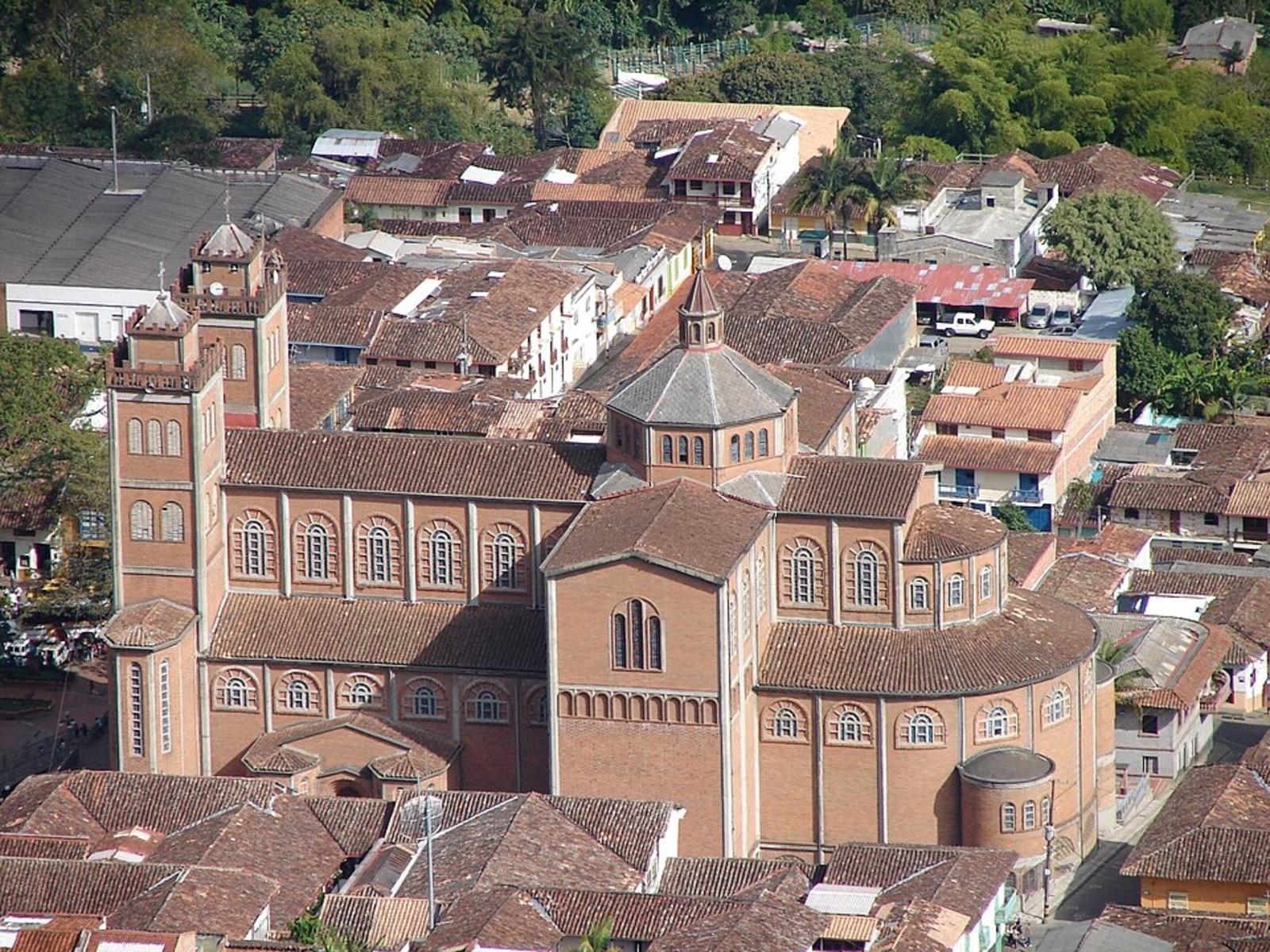


Situated in the Jordan Valley, Jericho gathers extreme negative altitude, about 20 thousand inhabitants, agriculture supported by the Jordan River, and archaeological records exceeding 10,000 years of constant human occupation
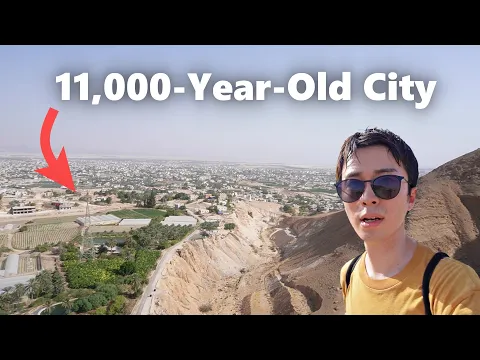
Located more than 250 meters below sea level in the Jordan Valley, Jericho features negative altitude, records of settlement for over 10,000 years, and about 20 thousand residents, combining extreme geography, irrigated agriculture, and continuous historical legacy.
Jericho, in the Palestine region, stands out for being more than 250 meters below sea level, in the Jordan Valley, gathering human occupation exceeding 10,000 years, about 20 thousand residents, and lasting historical, agricultural, and tourist relevance.
The city developed in a large geological depression known as the Rift Valley, an area shaped by tectonic movements that caused the gradual sinking of the soil over millennia.
-
Son of a market vendor who saw his father wake up at 2 a.m. to set up the stall partners with OpenAI to offer ChatGPT Business licenses in Latin America and projects revenue above R$ 200 million in 2026.

-
A Maasai boy noticed the lions’ fear of human light and created an inexpensive system that protects enclosures without driving away or eliminating the predators.

-
During a session, Norwegian deputies dropped politics and “rowed” like Vikings inside the Parliament to support the team in the Cup, in a scene that went viral this Thursday.

-
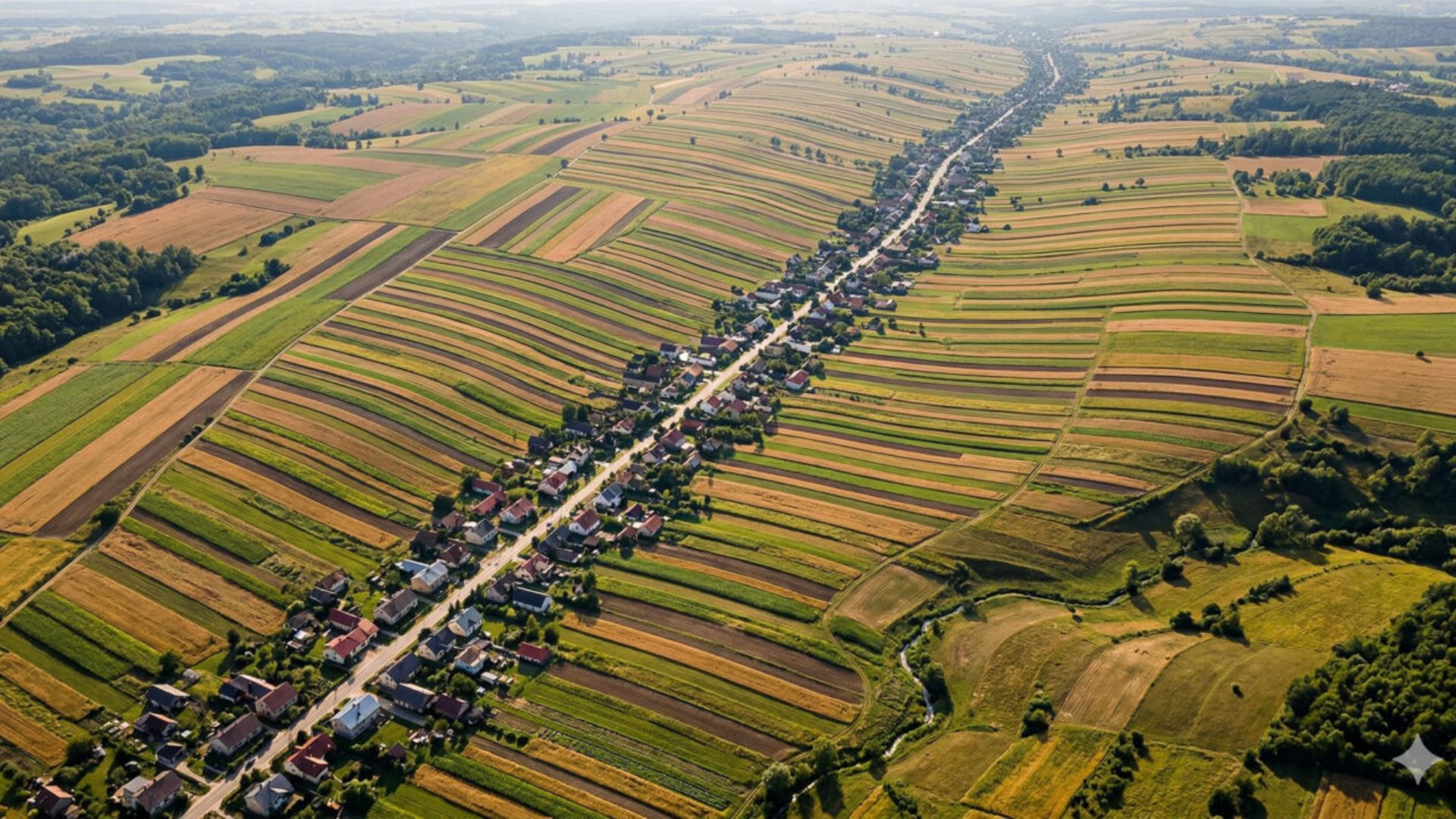
Almost 6,000 residents live concentrated along a single street nearly 9 km long in the interior of Poland. Houses form a continuous row, and behind them, narrow agricultural strips emerge, creating one of the most unusual rural patterns in Europe.



This geographic condition explains Jericho’s negative altitude and directly influences the arid climate and high temperatures recorded throughout practically the entire year.
Despite the intense heat, the proximity to the Jordan River ensured permanent access to water, a decisive factor for continuous human settlement and the city’s survival.
The availability of water resources enabled the emergence of stable agricultural practices, ensuring food and economic support to successive generations established in the region.

Life Under The Heat And Fertile Soil In The Lowest City In The World
Daily life in Jericho is marked by adaptation to high temperatures, which affect work hours, eating habits, and architectural solutions adopted by the local population.
The approximately 20 thousand residents live daily with extreme heat, organizing their routines to reduce sun exposure and maintain thermal comfort in their homes.
Irriagated agriculture by the Jordan River constitutes the economic base, favored by fertile soil formed over thousands of years of natural deposits.
Fruits and vegetables cultivated in the region supply domestic consumption and boost regional trade, keeping agricultural activity as the structural axis of the city.

Curiosities That Cross The Centuries
Jericho is considered one of the oldest human settlements in the world, with archaeological remains indicating continuous occupation for over 10,000 years.
This prolonged permanence makes the city a rare example of uninterrupted human adaptation in a desert environment with severe climate.
The city is also mentioned in sacred texts, which enhances its symbolic value and attracts visitors interested in history, archaeology, and religious tradition.
Ancient walls, mentioned in biblical passages, remain as elements of the historical landscape and spark curiosity among scholars and tourists.

The Lowest City In The World: A Legacy Of Resilience
The combination of negative altitude, arid climate, and soil fertility has established Jericho as a unique case of urban continuity over time.
Between the desert and the river, the city remained active for millennia, supported by human ingenuity and strategic use of available natural resources.

In addition to agriculture, historical tourism contributes to the local economy, reinforcing the connection between ancient history and contemporary life.
As a complementary detail, the unique geography of the Jordan Valley continues to be a central element for studies on human settlement, tectonics, and environmental adaptation, keeping Jericho as a living historical reference despite the extreme climate.
With information from Revista Ana Maria.




Se está 250 mts abaixo do nível do mar , como o Rio Jordão deságua nele?
Deve ser igual a Blumenau em SC está no meio de morros no verão e complicado, mas nãodeixa de ser bela, e rica na economia e história
Quanta mentira a ciência tenta passar pra humanidade, como assim 250metros abaixo do nível do mar e ainda tem um dos maiores rios da região .o Rio corre pro mar e não imunda .pois a água é o melhor nível do mundo há,há,ha