






 Portuguese
  Spanish
  6 min of reading
  0 comments


Between Valleys, Waterfalls and Mountain Climate, a Village in the Serra da Mantiqueira Holds Experiences for All Profiles of Travelers, with Itineraries of Adventure, Rest, and Gastronomy Amidst the Preserved Atlantic Forest.
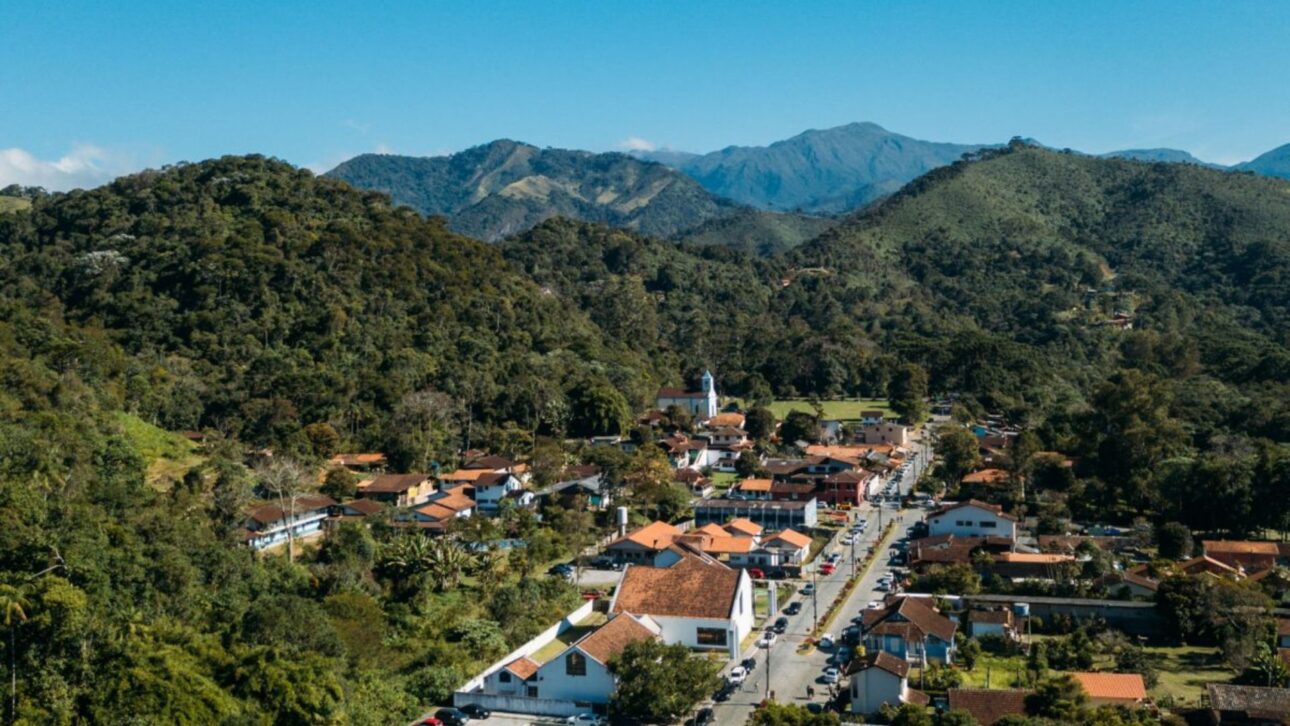
Visconde de Mauá is a mountainous retreat that combines lush scenery, mountain climate, and relatively easy access from the two largest centers in the Southeast.
Located in the Serra da Mantiqueira, the region is about three hours from Rio de Janeiro and six hours from São Paulo, at altitudes close to 1,200 meters, ensuring milder temperatures and good winds throughout the year.
Inserted among three municipalities and divided into villages—Mauá, Maringá, and Maromba—the area features trails, waterfalls, viewpoints, and tourist services that cater to varied traveler profiles.
-
Survivor of 1966 SS Daniel J. Morrell Shipwreck in Lake Huron Recounts 38-Hour Ordeal in Extreme Cold

-
The Greatest Hoax in World Cup History? The Film That Denied Brazil’s 1958 Victory and Exposed How Fake Evidence Can Seem Convincing on TV
-
Fake South Korean Online Stores Offer Shopping Thrill Without Spending Money or Receiving Products
-
The War of Jenkins’ Ear: How a Severed Ear Sparked One of the 18th Century’s Most Unusual Conflicts


Why has this place become synonymous with a fairy tale refuge? Because the combination of green valleys, crystal-clear watercourses, and discreet hospitality creates a warm and intimate atmosphere.
Those seeking a nature and adventure destination find here a rare balance between rest and physical activity.
The network of trails caters to everyone from beginners to intermediate hikers, and some waterfalls have easy access, ideal for families.
How to Get There and Orient Yourself
The main access is via the federal highway connecting Rio to São Paulo, with the final stretch on mountain roads.
The last kilometers require extra attention, especially on rainy days. Upon arrival, visitors disperse through the three villages.
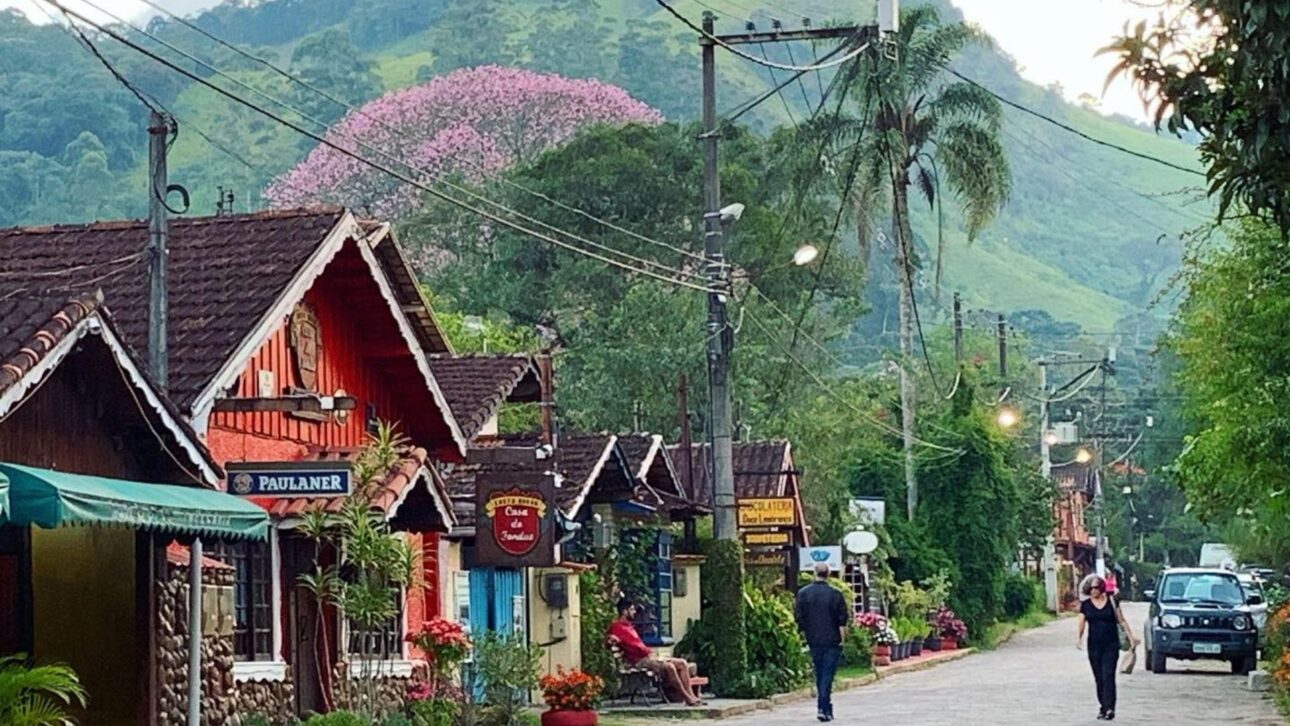
- Maringá stands out for its gastronomic offerings and shops.
- Maromba concentrates waterfalls and rustic sections.
- Mauá preserves the atmosphere of a mountain village.
The local tourism network consists of inns, restaurants, cafes, studios, and small markets. Cash is essential, as not all establishments accept cards or have stable signal.
Must-See Natural Attractions
Waterfalls for All Profiles
The Cachoeira do Escorrega is the star. The natural stone slide flows into cold and translucent water pools, a classic setting for swimming and photos.
On busy days, it’s best to arrive early to enjoy it more peacefully. The Véu da Noiva impresses with its visual ensemble: a high drop, a large volume of water, and dense forest surrounding it.
The trail is considered of medium difficulty, with steep sections requiring suitable footwear.
For those who prefer easy access, the Cachoeira Santa Clara is usually the best entry point.
The path is short and the pool is spacious, with resting areas along the banks and safe spots for children, always under supervision.
And there’s the Circuito das Cachoeiras, a route that links different falls in a single day. The route can be done with a local guide and includes strategic stops for swimming and snacks.
For photography enthusiasts, the circuit offers varied images of light and vegetation.
Trails and Viewpoints
The Trilha da Pedra Selada is the most famous hike and of intermediate level.
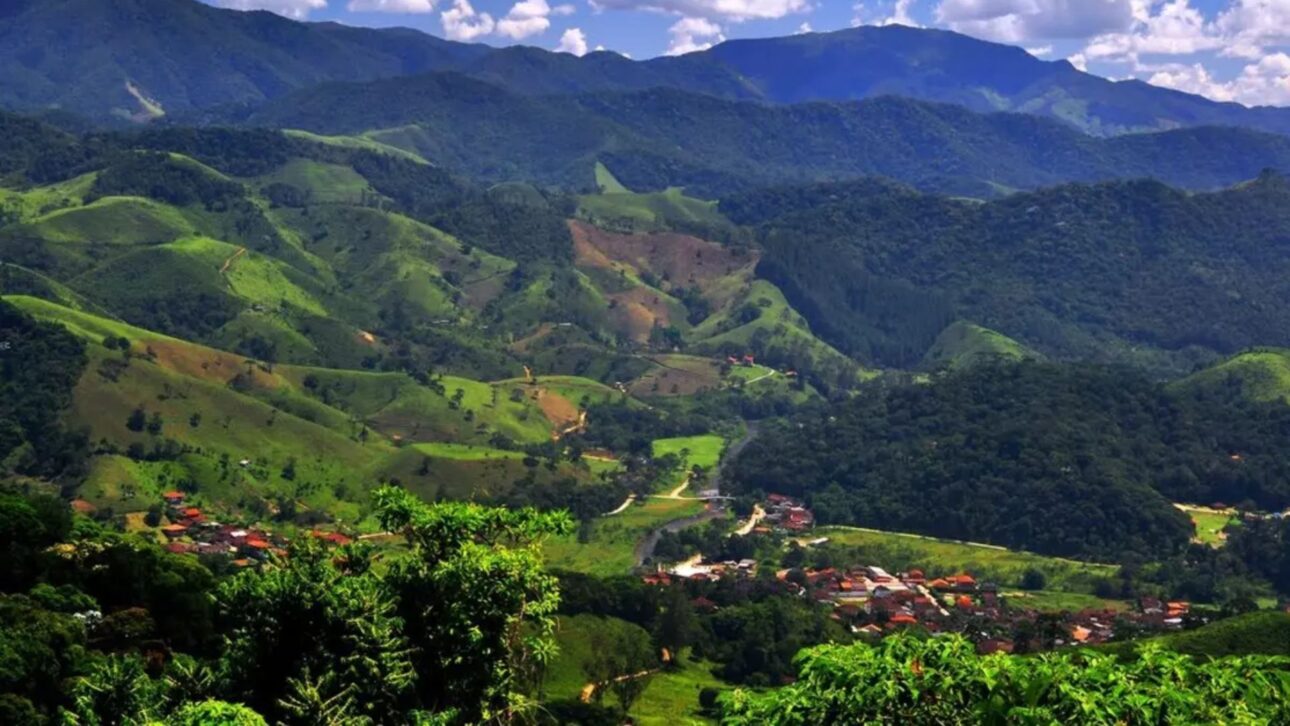
The effort is compensated with panoramic views of the Mantiqueira, valleys, peaks, and a wide perception of the mosaic of villages.
On clear days, the sense of expansiveness transforms the experience.
Those with less time may opt for light walks along the rivers or short sections that connect villages and forests.
Another option is jeep or horseback rides, which reach more distant areas without much physical exertion.
Climate and Best Time to Go
The winter (from June to August) is cold and appeals to those seeking mountain views, lit fireplaces, and clear sky nights.
Temperatures can drop to 8 °C, with a lower feel in higher altitude areas.
The summer is rainy, which makes the waterfalls more voluminous and the greenery more intense—great for those prioritizing river swimming.
Spring and autumn offer a balanced climate, with less rain and drier trails, a good window for trekking and landscape observation.
Safety, Logistics, and Sustainability
Hiring local guides for intermediate routes increases safety and enriches the visit with information about flora, fauna, and regional history.
Wear closed footwear with a non-slip sole, rain jacket, water, and sunscreen.
Cellular and internet signal varies greatly; plan routes and meeting points before heading out.
In summer, after rain, some trails can become slippery.
Avoid edges and jumps in areas with strong currents.
In the dry season, stay hydrated more frequently and respect preservation areas.
Take your trash with you and do not make fires: simple practices protect the Atlantic Forest biome.
Gastronomy and Hospitality in the Villages
The gastronomic scene mixes mountain recipes, specialty coffees, and authorial cuisines. It’s common to find local producers with jams, cheeses, honey, and craft beers.
Maringá has a night charm with bistros and intimate restaurants. In Mauá, the mountain village aura sets the pace, with homes serving homemade food.
Maromba, more rustic, caters well to those spending the day at waterfalls and wanting quick meals on the way back.
For couples, many inns offer suites with fireplaces and soaking tubs. For families, chalets with equipped kitchens provide practicality, especially during busier periods.
Practical Itineraries of 1 to 3 Days
One-Day Round Trip
Arrive early, visit the Cachoeira do Escorrega, have lunch in Maringá, and conclude with a sunset at a viewpoint accessible by road.
This is a compact itinerary that already showcases the essentials of the nature and adventure destination.
Complete Weekend
Day 1: easy-access waterfall in the morning, lunch break, and Véu da Noiva in the afternoon.
Evening with a gastronomic circuit in Maringá.
Day 2: Trilha da Pedra Selada in the morning with a guide, and after returning, a late coffee in Mauá.
Set aside time for studios and small shops showcasing authorial works.
Three Days Focused on Adventure
Day 1: guided Circuito das Cachoeiras, with swims in the main pools.
Day 2: intermediate trail and a free afternoon to relax.
Day 3: jeep or horseback ride to reach more remote areas, concluding with dinner at an emotional cuisine restaurant.
This plan balances physical effort and rest, reinforcing Visconde de Mauá‘s role as a complete nature and adventure destination.

Essential Tips Before You Go
- Check road conditions and weather forecast the day before.
- Confirm opening hours of attractions and restaurants, especially outside of peak season.
- Bring cash for local tolls, parking, and purchases in small shops.
- Respect capacity limits of pools and trails to avoid crowding in fragile areas.
- During holidays, book inns and guides in advance.
- When traveling with children, prioritize waterfalls with easy access and shallow pools.
- If rain intensifies, interrupt the hike and seek safe shelter.
What to See and Do with Children
Opt for short hikes, with frequent stops for rest. Prefer Santa Clara and river sections with calm waters.
Bring extra clothes and warm clothing, as the thermal sensation can change rapidly. Couples with babies might plan routes close to villages for easier returns.
Culture and Complementary Experiences
Fairs, studios, and small seasonal events help to understand local identity. Handicrafts in wood, ceramics, and plant fibers reflect the mountain life rhythm.
Many lodging options offer trail maps and safety information, along with breakfasts featuring regional products.
During rainy periods, workshops and experiences in cultural spaces in the villages become a good alternative to being outdoors.





Be the first to react!