Portuguese
  Spanish


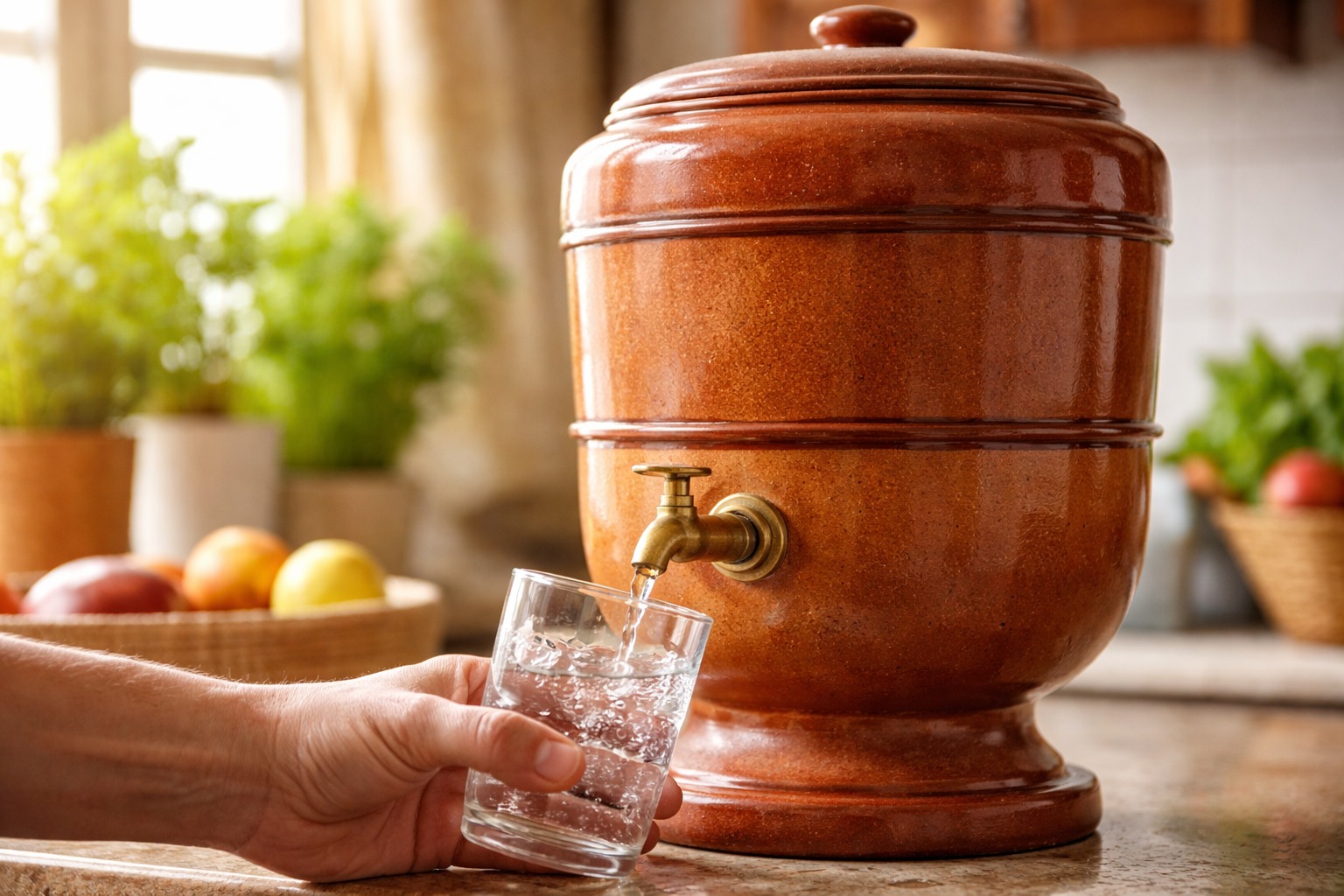


Brazilian Clay Filter Removes Up to 95% of Lead and Eliminates 99% of the Parasite Cryptosporidium, According to Studies Cited in the Book “The Drinking Water Book” and International Recognition in 2003
The Brazilian clay filter is recognized for its effectiveness in purifying water, capable of retaining up to 95% of lead and eliminating 99% of the parasite Cryptosporidium, according to “The Drinking Water Book”, and it also received international acclaim in 2003.
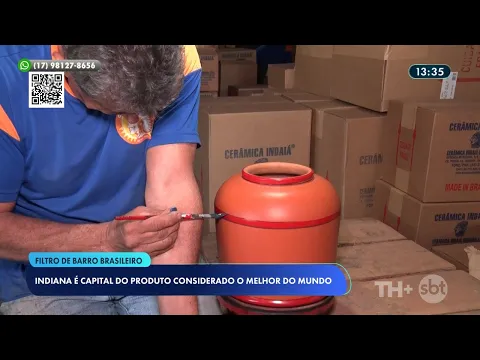

Gravity-Based Operation Ensures Efficiency of the Clay Filter
The clay filter operates through a simple gravity-based system. Water slowly passes through ceramic candles, where unwanted particles are progressively and continuously filtered out.
This process allows the removal of impurities such as chlorine, pesticides, and heavy metals. Studies cited in the book “The Drinking Water Book” indicate that the system can retain up to 95% of lead and eliminate 99% of the parasite Cryptosporidium.
-
Hisense Unveils 615-Liter PureView Fridge with Transparent Door, Smart Display, Voice Control, and UV Purification to Compete with LG and Samsung

-
Are Cleaning Staff in Large Buildings Becoming Obsolete? Autonomous Robots Now Clean Airports, Hospitals, and Shopping Centers for Hours, as Companies Invest in Automating Repetitive Tasks

-
Xiaomi Launches Compact Photo Printer with Bluetooth, Extra Black Ink, and Augmented Reality Photo Printing

-
Teen Invents AI-Powered Traffic Light to Assist Elderly Pedestrians by Extending Crossing Time

The levels of cleanliness achieved by the clay filter help prevent gastrointestinal diseases by providing purer water for household consumption.
Simple Method Expands Access in Areas with Energy Constraints
The operational simplicity is one of the factors that keep the clay filter as a recurring choice since the early 20th century.
Its operation is independent of electricity, which broadens its use in areas with limited energy access.
Compared to modern technologies, the gravity model maintains proven performance without the need for electrical systems.
This characteristic reinforces its use in contexts with infrastructure challenges.
The solution is considered sustainable precisely because it requires no energy consumption, maintaining continuous operation solely with the natural flow of water through the ceramic candles.
Domestic Tradition and Improvements Over Time
Introduced in Brazil by European immigrants, the clay filter has become part of the domestic routine. Its ceramic structure promotes natural cooling of the water due to the material’s porosity, ensuring constant freshness.
Some candles incorporate activated charcoal and colloidal silver, enhancing purification capacity. Even with traditional roots, the system continues to be improved to meet demands for water quality.
The combination of tradition and innovation keeps the filter as an accessible and functional alternative in different regions of the country.
Periodic Maintenance and International Recognition of the Clay Filter
To preserve efficiency, it is recommended to replace the ceramic candles every six months and perform monthly cleaning with clean water. This routine prevents the accumulation of impurities and ensures the quality of the water provided.
The clay filter has also gained recognition outside Brazil. In 2003, the Swiss Federal Institute of Aquatic Science and Technology, known as Eawag, highlighted its suitability for regions with poor sanitation.
The recognition underscored the microbiological efficiency of the system, consolidating the clay filter as an effective and accessible solution in water purification across various contexts, reinforcing its historical and functional relevance to this day.
With information from Crusoe.