






 Portuguese
  Spanish


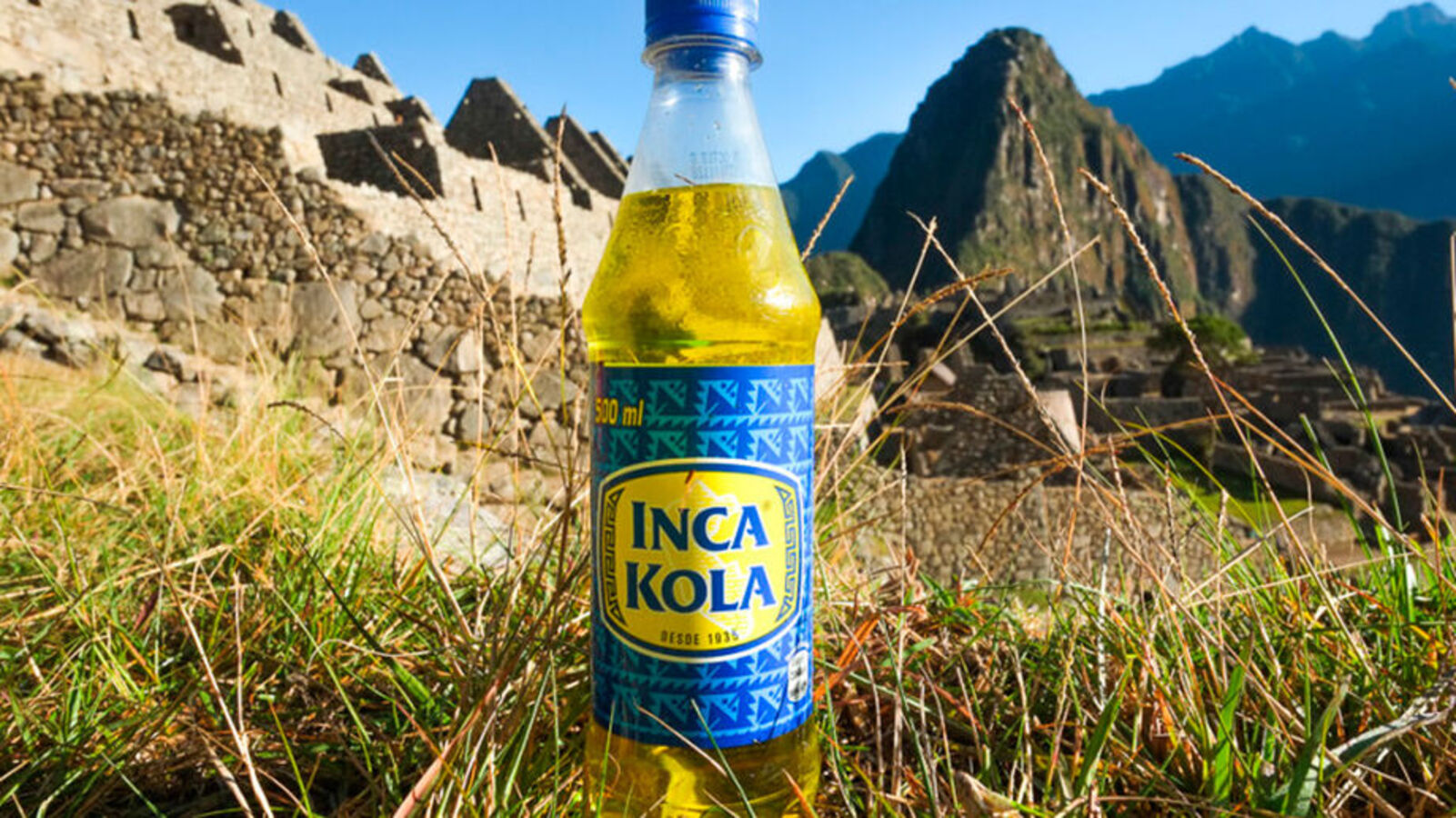

In Various Parts of the World, Local Sodas Outsell Coca-Cola, Preserving Traditions and Winning Consumers with Flavor and Cultural Bond
For decades, Coca-Cola has been synonymous with soda worldwide. Present in over 200 countries, it has built an image linked to consumption and the Western lifestyle. However, there are places where the strength of the brand is not enough to secure the top spot in sales. In these regions, local beverages with their own identity maintain the popular preference.
Peru – Inka Kola
Inka Kola is the national pride of Peru. Created in 1935 by a British immigrant, the drink has a sweet flavor, with notes of bubblegum and herbs, along with a striking golden-yellow color.
The brand grew so much that, in the 1990s, it forced Coca-Cola to enter into an agreement. Today, the multinational holds part of the company, but ordering a Coke in Peru may sound strange.
-
Nivea Blue Tin Cream: Popular Post-Beach and Pool, But Pharmacist Warns About Missing Ingredients and Common Summer Mistakes Regarding UVA and UVB Protection.

-
Archaeologists Recover Colossal Structure Lost for Over 1,600 Years Under the Sea, Including 22 Monumental Blocks Weighing Up to 80 Tons, Intriguing Experts.
-
Longest Solar Eclipse of the Century Will Turn Day to Night for Over 6 Minutes, Allowing Star Gazing; Won’t Recur for 156 Years
-
At 17, she hand-painted her first watercolor design for school uniforms; her brand grew without investors, sold 135,000 pieces, and aims for $3 million in revenue by 2026.


Scotland – Irn-Bru
In Scotland, the irreverent Irn-Bru, founded in 1901, tops the sales charts. The flavor is sweet and citrusy, with a slight medicinal touch.
Its bold communication helped make it a cultural symbol, even resisting pressure from the European Union to alter the original formula.
India – Thums Up
Thums Up emerged in 1977 when Coca-Cola left India. With a more intense cola flavor and a hint of spice, it quickly won over the public.
Even after the return of the American giant and the brand’s purchase in the 1990s, the preference remained. The slogan “Taste the Thunder” aptly summarizes its impact.
Iceland – Appelsín and Malt
In Iceland, tradition surpasses Coca-Cola’s global appeal. The orange soda Appelsín and the non-alcoholic malt Egils Malt share the lead.
The habit of mixing the two drinks at Christmas reinforces the cultural connection. The citrus freshness of Appelsín and the full-bodied flavor of Malt win over consumers year-round.
Japan – Variety of Drinks
Japan is a world of its own. Coca-Cola is present but faces strong rivals such as canned green tea from Ito En, the sports drink Pocari Sweat, and the dairy drink Calpis.
The variety of options in vending machines and the millennia-old tradition of teas and fermented drinks keep consumption diversified.
South Africa – Stoney
Stoney Ginger Beer, popular in rural areas and traditional communities of Southern Africa, brings a strong ginger flavor with a slight spiciness.
The brand is so relevant that Coca-Cola has maintained its production, even as a direct competitor to its main beverage.
The Power of Local Flavor
These cases show that soda consumption does not depend solely on marketing or global distribution.
Cultural attachment, tradition, and regional taste continue to influence choices. In many places, the best-selling soda does not come from Atlanta but rather from a recipe created to please local tastes.
While Coca-Cola remains present in almost every corner of the planet, absolute leadership is rare. In certain countries, the bottle with a local accent is what truly dominates the fridge.
With information from Diário do Litoral.


