






 Portuguese
  Spanish


After Israel put the first real high-power laser cannon into operation against drones, the rest of the West woke up to a silent race: the United Kingdom, Germany, France, and even India are now competing to see who delivers the weapon that can take down aerial targets kilometers away, spending only a few cents per shot.
There is a new problem keeping the military awake: the cheap drone. Small, sold for a few hundred dollars, and capable of arriving in swarms, they have inverted the logic of air defense. It doesn’t make sense to spend millions on an interceptor missile to shoot down a device that costs almost nothing. This is where the weapon of the moment comes in: the combat laser.
The beam doesn’t run out of ammunition as long as there is energy, hits the target at the speed of light, and has a cost per shot that is laughable compared to a missile. Israel was the first to take the lead, putting into service the Iron Beam, described as the first effectively operational high-power laser system to take down drones, rockets, and mortars. From there, everyone understood that staying out was not an option.
Why the laser became irresistible
The calculation is simple and brutal. A shot from one of these systems consumes basically electricity, something in the realm of a few dollars, compared to an interceptor that costs the equivalent of a luxury car or more. When the threat comes in swarms, with dozens of drones trying to saturate the defense, the side that depends on missiles breaks the budget before breaking the attack. The laser solves this as long as there is a generator powering the beam.
-
Turkey Delivers Self-Designed Submarines, Emerges as Naval Power Exporter in the Mediterranean

-
France doubled the firepower of the new frigates and increased the missiles from 16 to 32 tubes ready to fire.
-
Spain sent its most advanced frigate to Cyprus and set up an anti-missile shield in the Mediterranean with an eye on Iran.
-
India places 52 spy satellites in orbit for R$ 16 billion to monitor every meter of its own borders.


There are honest physical limits. The laser loses power with rain, fog, and dust, needs to aim with millimeter precision, and requires a robust energy source onboard. It’s not the magic weapon that replaces everything. But for the specific range of small and medium drones flying a few kilometers away, it has become the most elegant and inexpensive answer military engineering has ever produced.
The European race
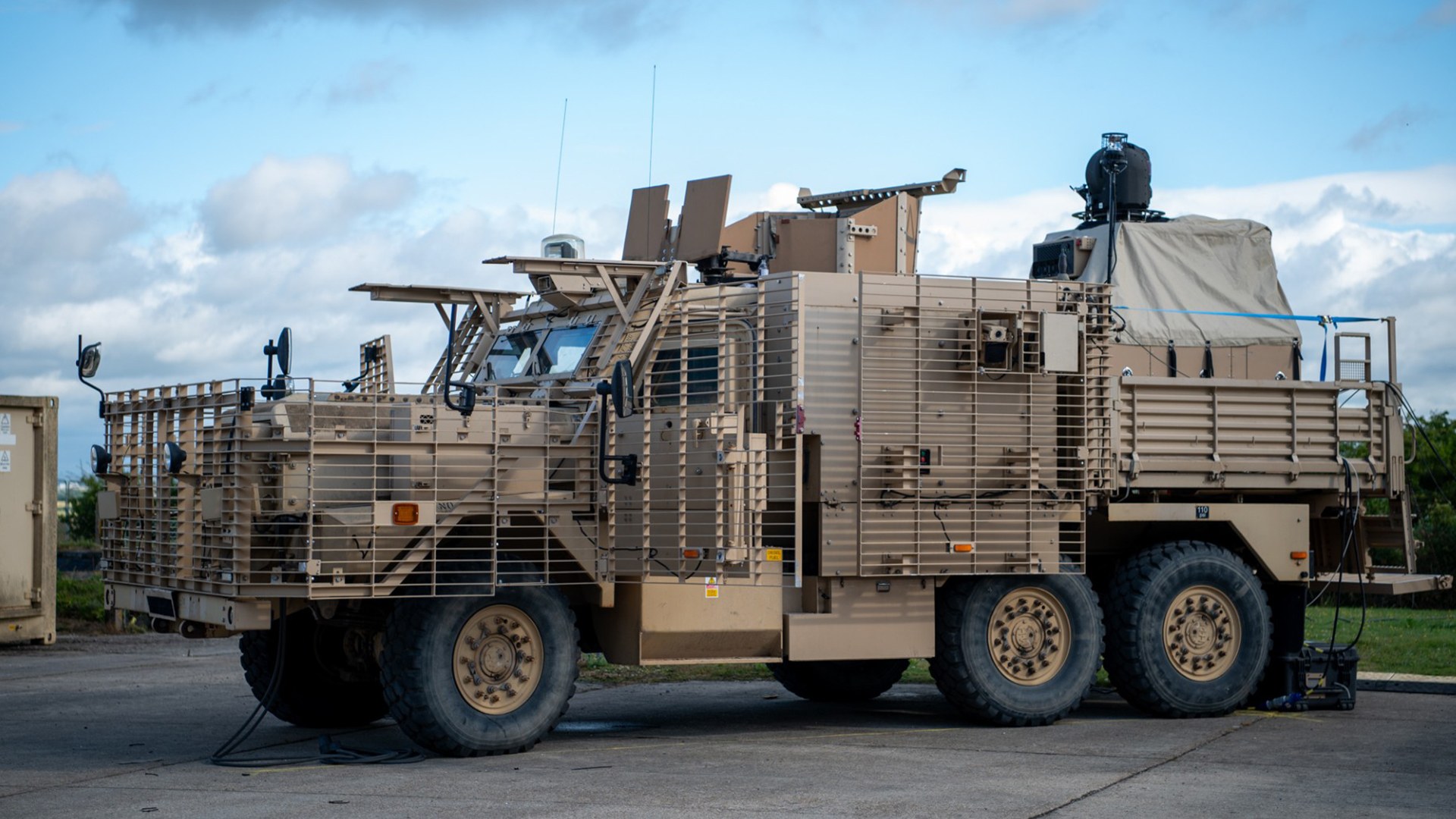
In the United Kingdom, the DragonFire program has moved from testing to a real contract. The British MBDA secured a deal worth hundreds of millions of pounds to deliver the system to the Navy and the Army, after demonstrating the beam taking down aerial targets mounted on a Wolfhound armored vehicle. The goal is to put the weapon into service well before initially planned, a sign that pressure has accelerated the schedule.
Germany is working with Rheinmetall on a naval laser for the coming years, after already testing a beam aboard a frigate. France has set up its own consortium with the national industry. And perhaps the most surprising fact, India has joined the club: its defense research agency tested a 30-kilowatt laser capable of neutralizing drones and small aircraft about five kilometers away, placing the country among the few that have demonstrated the technology in practice.
The threat that changed the calculations
To understand the urgency, just look at recent conflicts. In the Ukraine war and attacks in the Red Sea, drones costing a few thousand dollars forced ships and anti-aircraft batteries to burn expensive interceptors, sometimes at the ratio of a million-dollar missile to take down a market device. No defense budget, no matter how large, can sustain this exchange for long, and it was this reality check that brought lasers out of the lab.
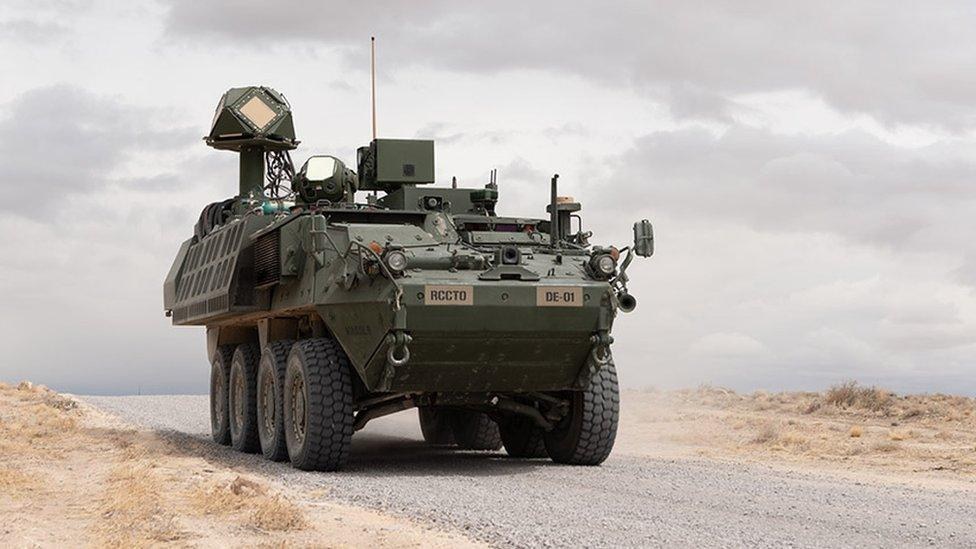
The United States has also entered the race firmly, installing systems like HELIOS on warships and testing even more powerful beams for the Army. The goal of many of these forces is to reach lasers of 300 kilowatts or more, enough energy to move beyond small drones and also target missiles and rockets on a collision course. The greater the power of the beam, the larger and faster the target it can melt in the air.
Cents against millions
What unites all these programs is the same promise: to make drone defense a sustainable expense. Today, countries that rely solely on missiles to stop swarms are, in practice, losing the economic war even when they win the battle. We see this in recent conflicts, where an attack of cheap drones forces the defender to spend a fortune on interceptors. The laser promises to reverse this math.
I confess there is something almost science fiction-like in seeing an invisible beam take down a target in the air without noise or smoke, and at the same time, it’s the most pragmatic thing in the world: pure economy. Armed forces are not chasing lasers for technological charm, but because the alternative has become too expensive to sustain.
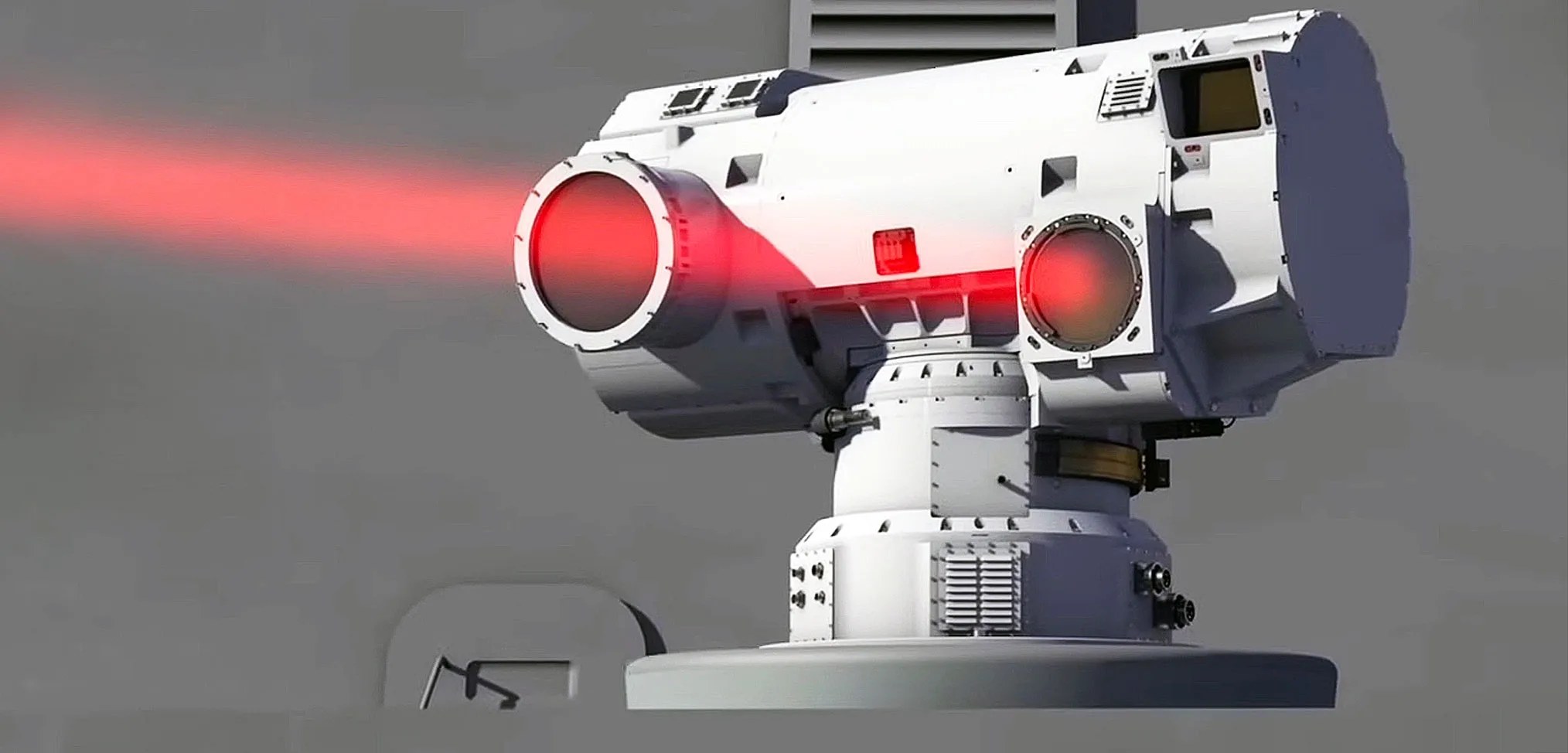
The turning point now is scale. Moving from prototypes and demonstrations to hundreds of systems spread across ships, bases, and vehicles is the challenge that separates the promise from reality. Whoever masters mass production, not just showcase testing, will dictate how the low skies will be defended in the next decade.
Israel opened the door, Europe followed suit, and India proved that medium powers can also get there. The next frontier is no longer inventing the laser, but manufacturing it in series and cheaply enough to place it everywhere a drone might appear, from the deck of a warship to the roof of an armored vehicle in full motion.
Will the combat laser finally retire the expensive missile in defense against small drones?


