Portuguese
  Spanish


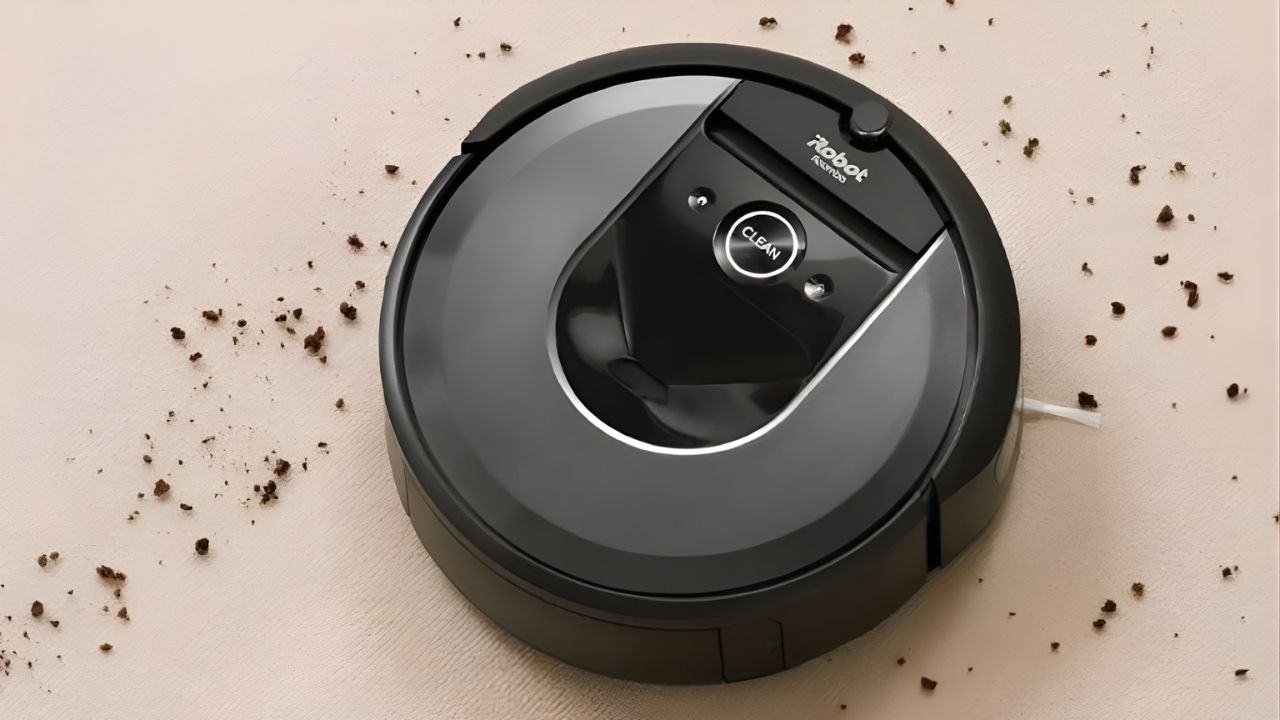

Company That Revolutionized Home Cleaning with the Vacuum Robot Faces Bankruptcy After Intense Competition, High Costs, and Global Market Pressure.
The iRobot, American company responsible for the commercially successful vacuum robot, has filed for bankruptcy in the United States after facing a decline in sales, rising costs, and intense competition.
The measure was announced more than 20 years after the launch of the Roomba, a product that redefined automated home cleaning in the world.
iRobot: Bankruptcy Seeking to Maintain Operations and Protect Consumers
iRobot has resorted to Chapter 11, a legal mechanism that allows for debt reorganization without interrupting operations.
-
Facing Labor Shortage, Japan Plans to Invest $34 Million to Attract Foreign Workers in Construction, Healthcare, Industry, and Commerce

-
Brazilian City Makes Remarkable Leap, Becomes 4th Wealthiest in the Country with GDP of R$ 134.1 Billion

-
Controversial 6-day Workweek Elimination in Brazil Faces Economic Criticism Over Productivity Claims
-
Itaú to Refund Customers After 14 Years of Unauthorized Credit Card Charges; Agreement Includes No Interest or Adjustments, Deadline by 2028, with Potential Impact of Up to $6.5 Billion





With this, the company aims to preserve contracts, employees, and the functioning of already sold products.
According to the company, applications, cloud servers, technical support, and updates remain active.
The promise is that the vacuum robots will continue to operate normally throughout the process.
Sale of the Company Is Part of the Survival Plan
As part of the strategy to navigate the crisis, iRobot confirmed the sale of its operations to Picea Robotics, a Chinese company that was already a partner in the manufacturing of the devices.
The transaction aims to ensure the continuity of the brand and maintain the structure needed to serve millions of users around the world.
The new controller is expected to take over management while the debts are renegotiated.
Chinese Competition Changed the Game in the Vacuum Robot Market
Despite having created the category, iRobot has lost relevance with the arrival of Asian manufacturers.
Brands like Roborock and Ecovacs began to offer vacuum robots with advanced sensors, intelligent mapping, and more competitive prices.
This scenario reduced the company’s profit margin and forced a price war that is difficult to sustain.
Thus, pioneering was no longer enough to ensure leadership.
High Costs and Trade Tariffs Aggravated the Crisis
In addition to competition, external factors weighed on the company’s finances.
Part of the production was concentrated in Vietnam, a country affected by tariffs imposed by the United States, significantly increasing operational costs.
At the same time, iRobot accumulated debts while waiting for the approval of a sale agreement to Amazon, which was ultimately blocked by regulatory bodies over antitrust concerns.
Failure of the Sale to Amazon Was a Turning Point
The negotiation with Amazon was seen as a potential way to stabilize finances.
However, the operation did not advance due to antitrust concerns raised by international authorities.
Without the agreement, the company was left with debts incurred during the waiting period, which accelerated financial wear and contributed to the decision to file for bankruptcy.
Are Users at Risk? Company Says No
Unlike other recent cases in the sector, where brands ceased operations and left devices without support, iRobot claims that consumers will not be harmed.
The company assures that the vacuum robots will not lose functionalities and that the digital infrastructure will continue to operate normally.
The trajectory of iRobot illustrates a common phenomenon in technology: creating a market does not guarantee dominating it forever.
With increasingly rapid innovation cycles and aggressive competitors, pioneering companies must constantly reinvent themselves.
In the vacuum robot market, price, connectivity, and efficiency have become more important than brand tradition.