






 Portuguese
  Spanish
  3 min of reading
  0 comments


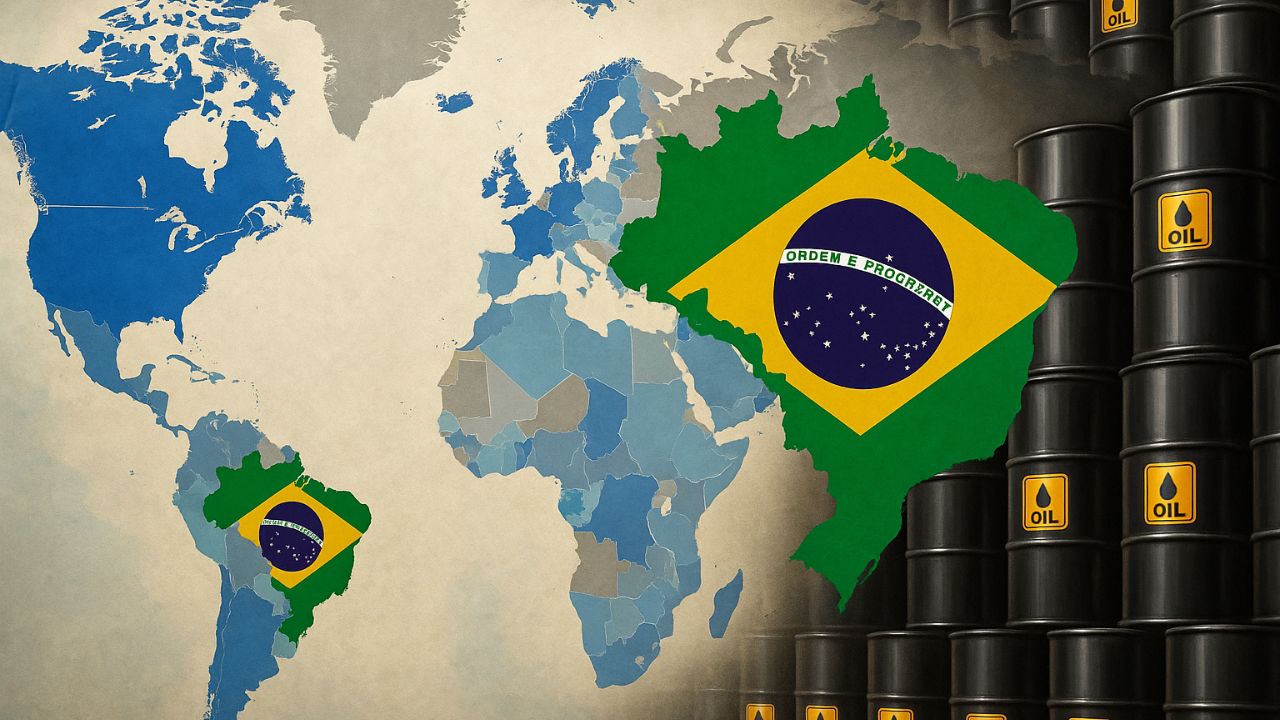
To Have a Seat in the Group, Country Will Need to Meet Requirements Such as Maintaining Oil Reserves for 90 Days and Having Plans for Consumption Reduction in Crises.
The Brazilian government formalized the request to become a full member of the International Energy Agency (IEA). In a letter sent to the institution, Brazil highlighted its “high standards of governance” and its role as an oil exporter, seeking more weight in global energy decisions.
Brazil’s Path to the IEA: From Associate to Candidate for Full Membership
Brazil took a decisive step to increase its influence in the global energy scenario. The country sent a letter to the IEA (International Energy Agency), formalizing the request to become a full member. The document was signed by Alexandre Silveira, Minister of Mines and Energy, and Mauro Vieira, Minister of Foreign Affairs. Since 2017, Brazil has operated as an associate country of the agency, which already allows participation in meetings and working groups in areas such as energy security.
What Commitments Will Brazil Have to Assume?
For Brazil to join the IEA, it is necessary to meet a series of rigorous obligations. One of the main ones is maintaining crude oil and/or derivatives reserves, equivalent to 90 days of net imports from the previous year. The government must have immediate access to these reserves. In addition, the candidate country needs to have a demand containment program capable of reducing national oil consumption by up to 10% during a crisis.
-
Brazilian Joins Homeownership Consortium, Faces Decade of Dual Payments Totaling $141,000, Surpassing Traditional Mortgage

-
Land Rover to Halt Production in July, Putting 371 Jobs at Risk, as Chinese Automaker Negotiates to Convert Factory to 100,000 Vehicles Annually by 2027

-
Mexican Pest Threatens U.S. Cattle Herds at Historic Lows, Potentially Boosting Brazilian Beef Exports as Burger Prices Soar

-
Brazilian Freight Bill Progresses in Congress with $5,000 Minimum Wage, 70% Advance Payment, and Fines Up to $1 Million, as Agriculture and Industry Warn of Rising Costs and Legal Uncertainty


The Strategic Importance of Coordinated Emergency Response Measures (CERM)
Another requirement is to have legislation and organization to operate the Coordinated Emergency Response Measures (CERM). The CERM is a mechanism for coordinated response by the IEA, which defines a set of actions that members must adopt in case of a significant global oil supply crisis. Being part of this system ensures a collective and organized action, as well as measures to ensure that oil companies provide information when requested.
Benefits for Brazil: More Influence and Credibility in the Global Scenario
Joining as a full member grants the country greater weight in global energy decisions. In practice, Brazil will have access to strategic data, participate in coordinated actions against supply crises, and gain greater international credibility in governance. The IEA also offers advice for the development of public policies in the sector.
The IEA’s Reaction to Brazil’s Request
The IEA confirmed receipt of the letter from Brazil. In an official statement, the agency’s director, Fatih Birol, stated that he is “excited” to discuss the next steps of Brazil’s membership, signaling a positive reception to the country’s candidacy.





-

-

2 people reacted to this.