






 Portuguese
  Spanish


Case of compulsive hoarding in Daegu exposes a house taken over by 80 tons of garbage. The cleaning lasted three days and began after the family was sent for psychological treatment. The action shows when a problem inside the house also becomes a public health issue in South Korea
A family lived in a house taken over by 80 tons of garbage in South Korea, until authorities entered the property, sent the residents for psychological treatment, and began a cleaning that lasted three days.
The case happened in Daegu and involved a woman in her 60s and two adult children. The situation drew attention because the volume accumulated inside the residence ceased to be just a family problem and began to involve public health, neighborhood and psychological care.
The information was published by South China Morning Post, a news journal with international coverage. The case reveals how compulsive hoarding can grow silently, occupy an entire house, and require a response from public authorities.
-
Brazilian Startup Sells Nearly 9 Million Surprise Bags of Near-Expiry Food, Prevents Thousands of Tons of Waste, Aiming for $42 Million Revenue by 2026

-
How to Prevent Brown Recluse Spider Bites: Common Hiding Spots and Free Tips to Reduce Risks

-
Natto: The Unusual Japanese Superfood Gaining Popularity on Social Media and Driving Record Exports
-
Brazilian Mayor Goes Undercover as Homeless for 24 Hours to Assess Public Services





How a house in Daegu came to accumulate 80 tons of garbage
The most striking data of the case is the volume removed from the residence. There were 80 tons of garbage accumulated inside a house where three people from the same family lived.
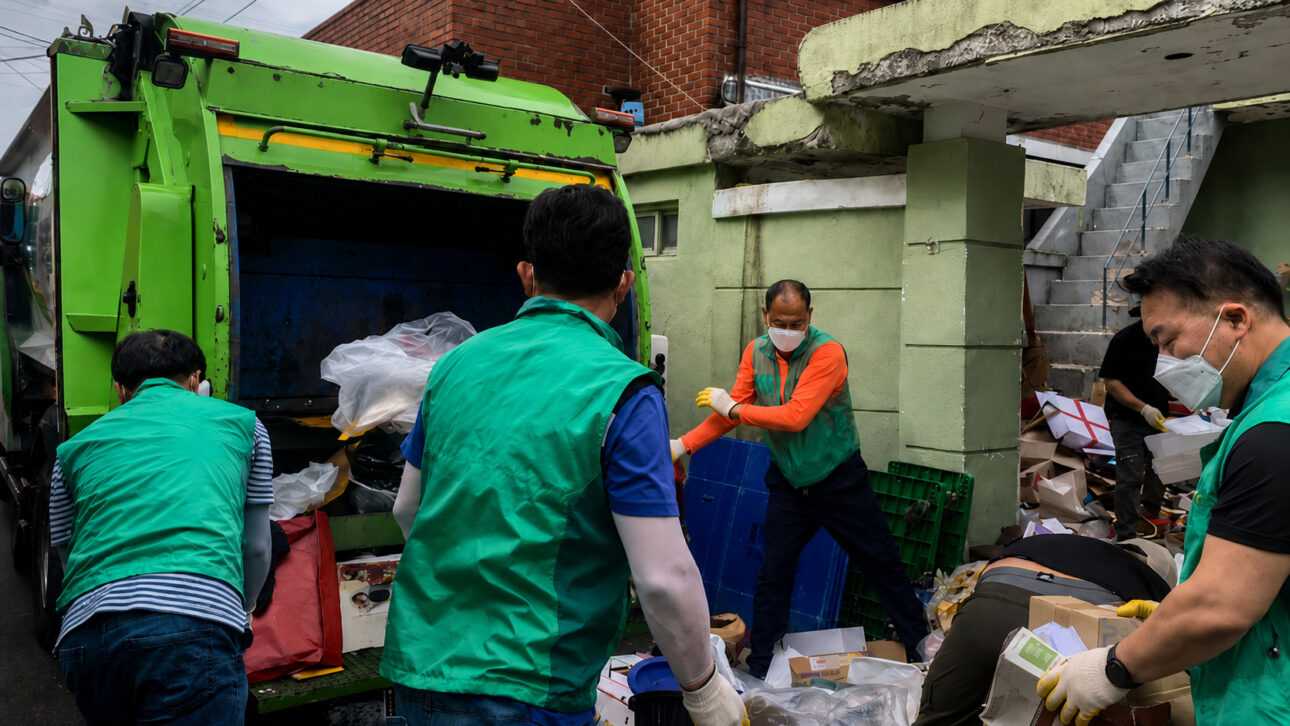
This number helps to understand the severity of the situation. It was not just a disorganized house, with scattered objects or a lack of common day-to-day cleaning. The accumulation reached a level that required public teams and a large-scale removal operation.
In such cases, the problem usually progresses gradually. The space becomes occupied, the rooms lose function, and the house ceases to be a safe environment for those who live in it.
For this reason, the situation in Daegu drew attention outside South Korea. The case shows how extreme hoarding can turn a residence into a risk for residents and neighbors.
Why the authorities needed to enter the property
The intervention happened because the accumulation inside the house exceeded the limit of a private matter. When a residence holds tons of waste, the problem also affects the surroundings.
The cleanup only began after the residents were sent to medical units, where they received psychological treatment. This point is important because the case was not treated merely as garbage removal.
The term compulsory hospitalization appears in this context because the residents were directed to care before the cleanup. In simple terms, this means that the situation required a mandatory measure of protection and care.
The presence of public authorities shows that, in extreme cases, the response needs to unite cleanup, mental health, and collective safety.
What is compulsive hoarding and why it should not be confused with clutter
Compulsive hoarding is an intense difficulty in discarding objects or waste, even when they are no longer useful or start to cause harm.
From the outside, one might think the solution would be just to throw everything away. However, when mental suffering is involved, removing the items without support may not solve the root of the problem.
The person may feel fear, anguish, or resistance at the idea of losing what they have hoarded. Therefore, psychological care is an important part of the response.
In the case of Daegu, cleaning the house was necessary, but sending the residents for treatment showed that the problem was not just physical. It was also a case related to mental health.
The three-day cleanup showed the extent of the risk inside the residence
The removal of 80 tons of garbage took three days, which shows the scale of the operation. A regular cleanup would never handle such a volume.
Municipal teams needed to empty the property in an organized action. The goal was to remove the accumulated waste and reduce the risk created inside the residence.
South China Morning Post, a news outlet with international coverage, highlighted the main points of the case, including the volume of garbage removed, the sending of residents for psychological treatment, and the time spent on the cleanup.
The operation also exposes a bigger problem. When a house reaches this point, cleaning becomes an urgent measure, but the complete solution depends on follow-up after the removal of waste.
Why cleaning the house without addressing the cause can make the problem return
The removal of garbage improves the immediate situation. The environment becomes safer, risks decrease, and the neighborhood no longer has to deal with the effects of accumulation.
Even so, cleaning alone may be insufficient. If the person continues without psychological support, the behavior of hoarding may return over time.
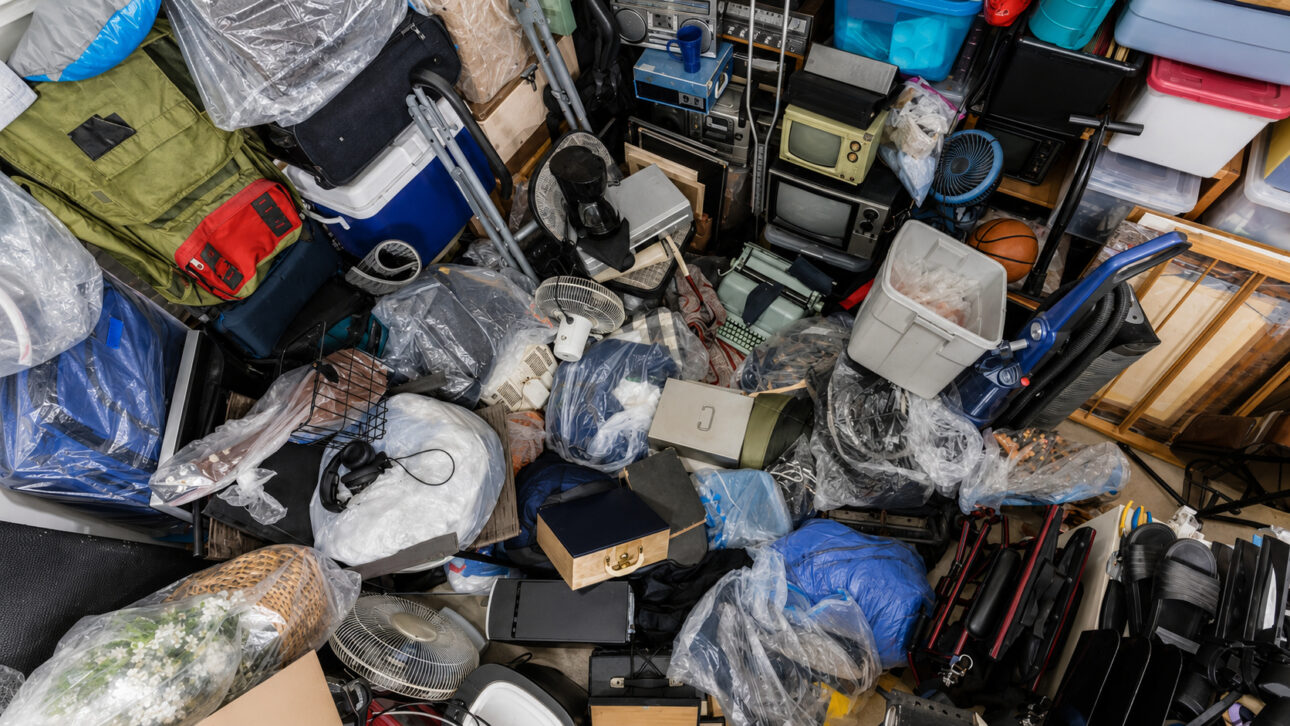
This is the most delicate point in cases of hoarding disorder. The problem is not just in the objects kept, but in the person’s relationship with what they cannot discard.
Therefore, the case in South Korea draws attention to a more humane response. Cleaning resolves the visible excess, but treatment helps to address the cause that led the house to accumulate 80 tons of garbage.
The case shows how mental health also affects the lives of neighbors
When a residence accumulates waste at an extreme level, the impact is not confined behind the door. The situation can affect the neighborhood, circulation in the surroundings, and the sense of security of those living nearby.
At the same time, care must be taken not to turn residents into targets of exposure. Cases related to mental health need to be treated firmly, but also with respect.
The story of Daegu shows this difficult balance. The public authorities needed to act, the house needed to be cleaned, and the residents needed care.
In the end, the case is not just about garbage. It speaks of neglect, care, family limits, and the moment when a silent problem demands collective action.
The removal of 80 tons of garbage from a single house in South Korea is impressive by the number, but the central point is the relationship between extreme accumulation, mental health, and public risk.
The three-day cleaning reduced the immediate problem, while psychological treatment became an essential part of the response.
When accumulation inside a house puts family and neighbors at risk, how far should public authorities go to protect without exposing or humiliating?







