Portuguese
  Spanish




A Food To Save created an app that connects consumers to bakeries, markets, and restaurants with surplus still fit for consumption, offering surprise bags at a discount and turning waste into revenue for retail.
A Brazilian startup transformed a daily problem for restaurants, bakeries, markets, and supermarkets into a simple business model, affordable for consumers and attractive for retail. Food To Save, founded in 2021, created an app to sell “surprise bags” with food still fit for consumption but that could be discarded for being close to expiration, not meeting aesthetic standards, or leftover at the end of the day.
According to information published by Seu Dinheiro and Exame, the foodtech has already sold almost 9 million surprise bags, saved thousands of tons of food, and projects to earn R$ 220 million in 2026. This data is noteworthy because it combines three strong themes in one story: savings, food waste, and technology applied to retail.
The idea was born from a problem seen up close in retail
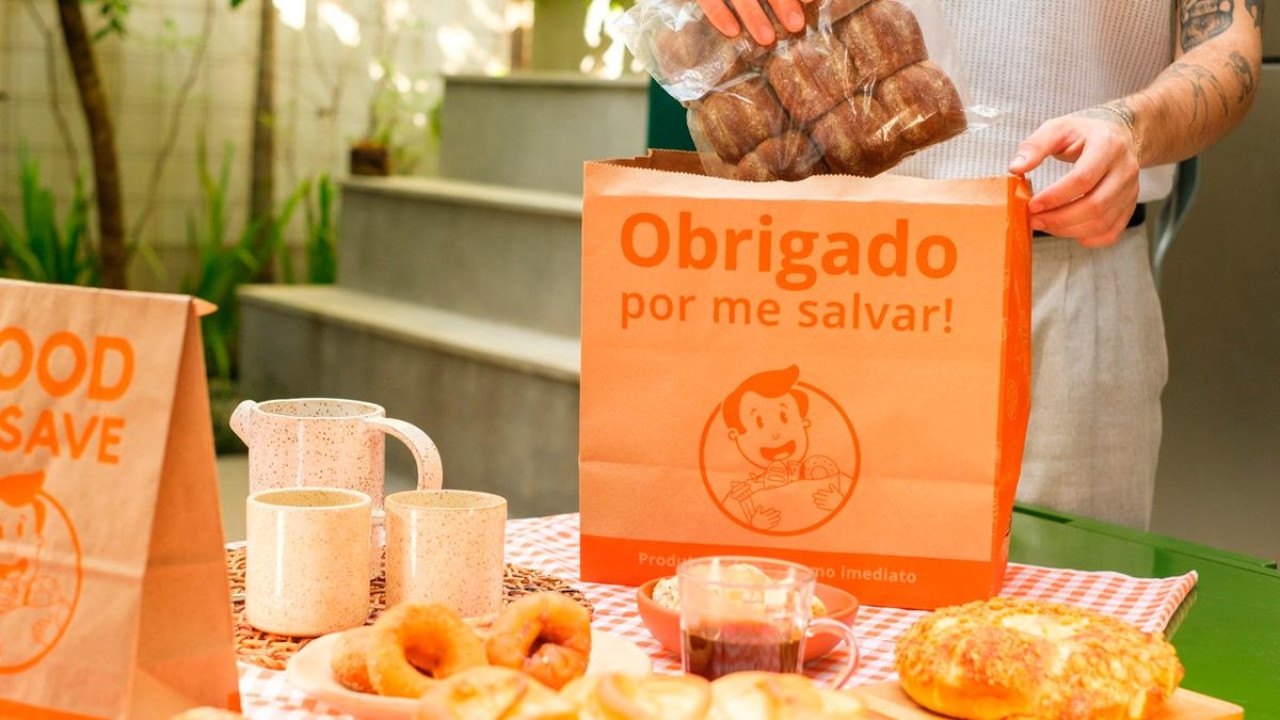
The origin of Food To Save is linked to the experience of Lucas Infante, the company’s founder and CEO. According to Seu Dinheiro, he lived in Spain and operated a Carrefour Express franchise, where he began to observe the amount of food that was still good but ended up discarded because it wouldn’t be sold in time.
-
How to Prevent Brown Recluse Spider Bites: Common Hiding Spots and Free Tips to Reduce Risks

-
Natto: The Unusual Japanese Superfood Gaining Popularity on Social Media and Driving Record Exports
-
Brazilian Mayor Goes Undercover as Homeless for 24 Hours to Assess Public Services

-
15-Year-Old Entrepreneur Malu Lira Publishes 20 Children’s Books on Financial Education, Earns $500,000, and Expands Her Project to the Amazon Rainforest




The problem was not only environmental. For businesses, each lost product represented money going away. For consumers, that same food could mean a cheaper purchase. It was in this space between loss and opportunity that Food To Save found its path.
The inspiration came from European models of combating waste, such as Too Good To Go, cited in the report as an international reference in the sector. But the Brazilian operation started much more simply, during the pandemic, with sales via Instagram, service through direct messages, payment via Pix, and pickup at the establishments themselves.
How the surprise bag sold through the app works
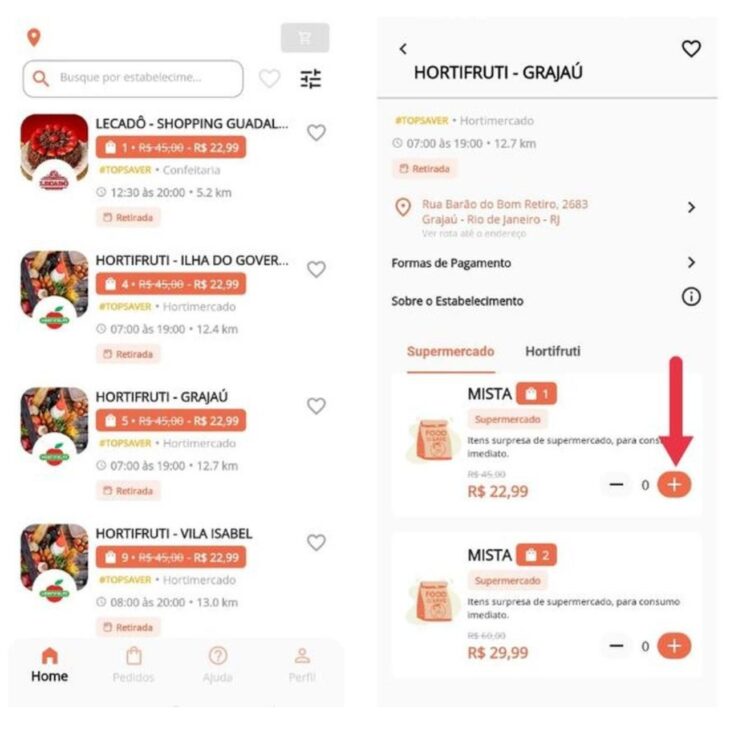
The model is straightforward. The consumer enters the app, chooses a nearby establishment, and buys a surprise bag. The platform shows categories like sweet, savory, or mixed, but the exact content is not revealed before pickup.
This logic is precisely what allows businesses to take advantage of the day’s actual surplus. A bakery can assemble a bag with leftover products. A market can include items close to expiration. A restaurant can separate still-good food that would lose commercial value if left for the next day.
According to reports, discounts can reach 70%. For the consumer, the purchase is appealing for its economy and curiosity. For the retailer, the advantage lies in turning something that could become waste into incremental revenue, without needing to register item by item.
Almost 9 million bags and thousands of tons saved
The most recent numbers show the size the operation has gained in just a few years. Seu Dinheiro reported that Food To Save has already surpassed almost 9 million bags sold and prevented the waste of more than 7.5 thousand tons of food.
Exame provided another perspective, citing 8.8 thousand tons of food rescued. As the reports appear at different times, the safest point is that the company has already surpassed the mark of thousands of tons saved and has moved to a national scale.
The impact is also seen in the user and partner base. Food To Save has more than 10 million downloads, according to Exame and Seu Dinheiro, in addition to more than 12 thousand partner establishments. The presence includes large chains and smaller businesses, which helps explain the speed of expansion.
Major brands helped scale the model
The startup began with small establishments but gained momentum when larger chains started joining the platform. Seu Dinheiro cites Rei do Mate as one of the partners that helped open doors for other brands.
Among the names mentioned in the sources are Pão de Açúcar, St. Marche, Natural da Terra, Cacau Show, Zé Delivery, GPA, Grupo Supernosso, Angeloni, NEMA, Grupo HNT, Kopenhagen, and CRM. This list shows that the model has ceased to be a niche solution and has started competing for space within retail efficiency strategies.
The logic is simple. Products that could previously become a loss now circulate through another sales channel. The consumer pays less. The business recovers part of the value. And the startup earns a commission on transactions made on the platform.
Revenue went from R$ 128 thousand to a goal of R$ 220 million
The financial evolution also helps explain the interest around Food To Save. According to data cited by Exame, the company earned R$ 128 thousand in 2021. In 2022, it jumped to R$ 3 million. In 2023, it reached R$ 30 million. In 2024, the disclosed goal was R$ 72 million, with later reports mentioning around R$ 70 million.
The strongest leap came later. The company recorded R$ 160 million in 2025 and projects reaching R$ 220 million in 2026, according to Seu Dinheiro and Exame.
To sustain this growth, Food To Save bets on technology and data. Exame reported that the startup uses artificial intelligence to analyze consumption patterns, predict surpluses, improve campaigns, interpret customer service, and support commercial operations.
Acquisition expanded the fight against waste


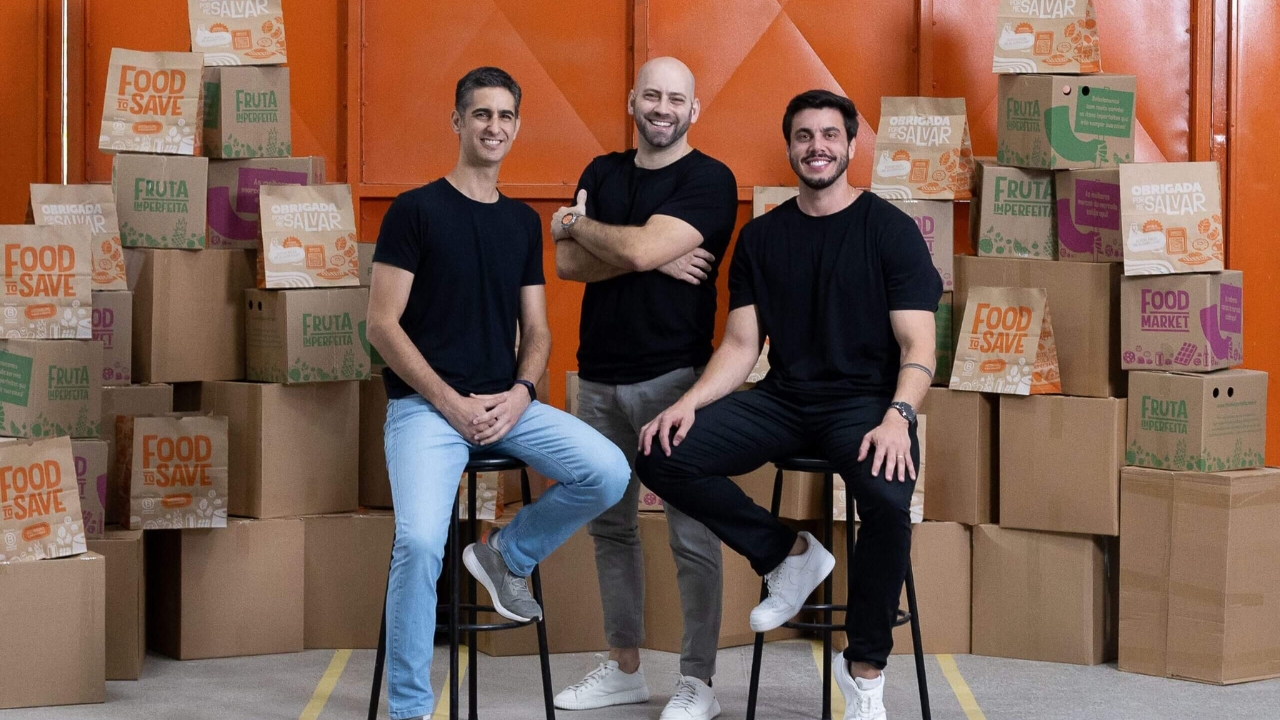
In 2024, Food To Save made its first strategic acquisition by purchasing Fruta Imperfeita, a company created in 2015 to sell fruits, vegetables, and greens that do not meet aesthetic standards through baskets and subscriptions.
According to Forbes, Fruta Imperfeita had already rescued about 4 thousand tons of food and served more than 50 thousand customers in nine years of operation. With the acquisition, Food To Save also started operating at another point in the chain, going beyond retail and food service leftovers.
This move reinforces that waste does not only occur at the end of the shelf. It also appears when a food item is born outside the visual standard required by the market, even if it is fit for consumption.
A business that grew on an invisible loss
A Food To Save also raised funds to accelerate its expansion. Startups reported that the company raised a pre-seed of R$ 1.3 million in 2022, after using its own resources and those of family and friends to validate the product. In 2023, according to Folha, the startup received an investment of R$ 14 million in a seed round led by DSK Capital, with participation from Spectra and HiPartners.
The case draws attention because it shows how a loss treated as routine can become a business when it finds scale, technology, and consumer adherence. The surprise bag seems simple, but it reveals a bigger problem: still good food continues to be discarded while consumers seek alternatives to spend less.
In the end, Food To Save did not grow just by selling discounted food. It grew because it transformed waste into product, surplus into revenue, and a hidden problem in retail into a solution that directly connects with the wallets of millions of Brazilians.