Portuguese
  Spanish


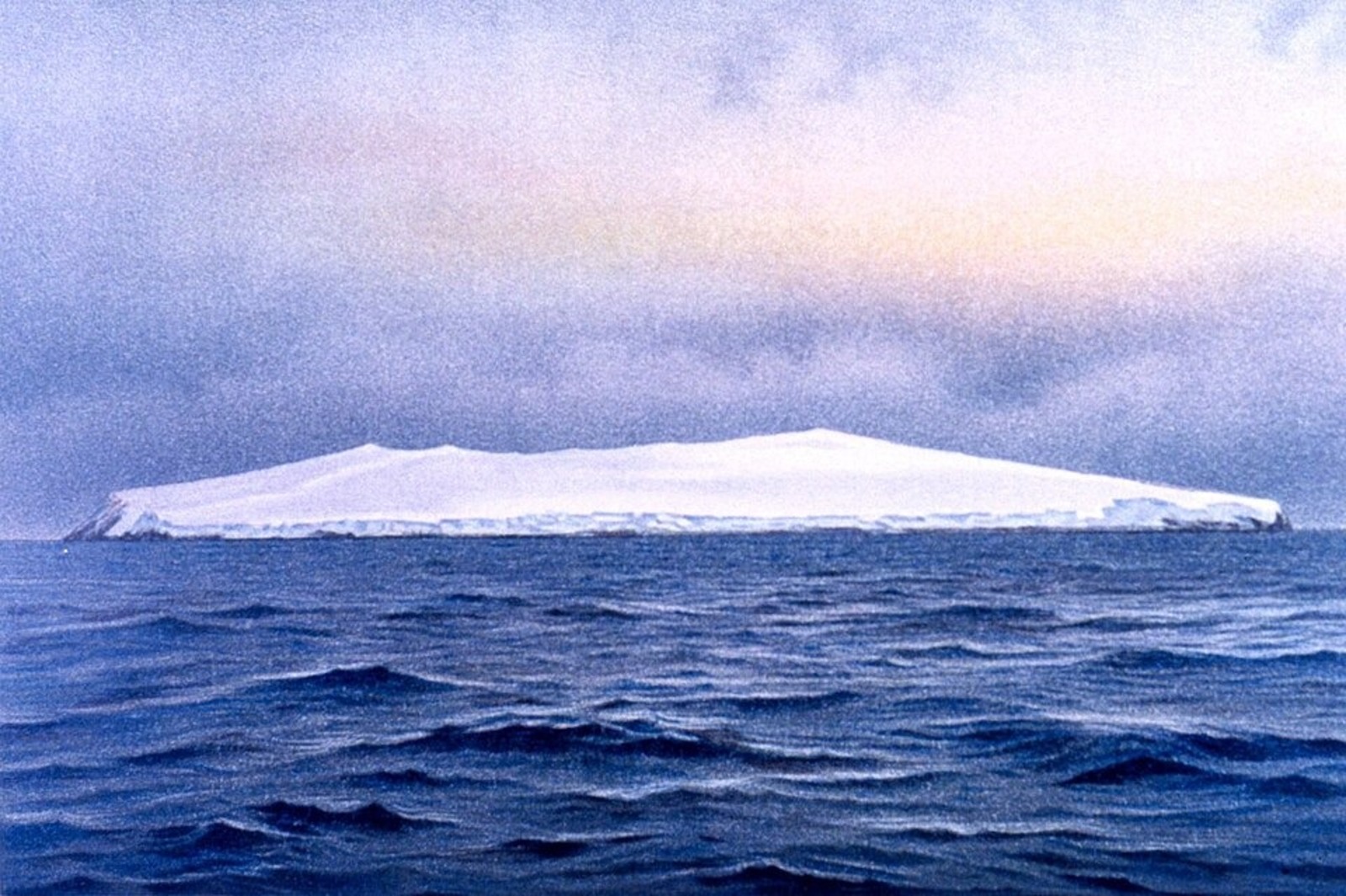


Isolated, Frozen And Almost Inaccessible, Bouvet Island Remains The Most Remote Point On The Planet, Surrounded By Ice, Penguins And Thousands Of Kilometers Of Ocean Without Any Sign Of Permanent Human Life
Even those who enjoy adventure usually think twice before facing certain challenges, because there are places that require more than just courage. The most remote island in the world is one of those lost points on the map. It is so far from everything that just imagining the trip already makes it clear why it’s not exactly a desired destination. And the details about this territory help explain the reason.

Where Is Bouvet Island
Bouvet Island is located in the southernmost part of the Atlantic and belongs to Norway. The territory is part of the country’s list of overseas areas.
Despite this, no one lives there. This is because about 93% of the 49 km² of the island is covered by ice, leaving only rocky outcrops exposed.
-
Viking Textile Factory Unearthed in Denmark Reveals Ancient International Trade Links

-
Bruno Guimarães, 28, Misses Crucial Penalty Against Norway in World Cup After Replacing Vinicius Jr.

-
Inspired by a school lesson on Africa’s water crisis, a young boy raised money through chores to fund a well that transformed a Ugandan community.
-
Brazilian Construction Worker Moves to France, Earns Up to €2,500 Monthly with Home Renovations, Gains Social Media Attention





In these places, avalanches happen frequently. Vegetation is virtually nonexistent. Trees do not grow and plants do not survive. What appears are fungi and many penguins that use Bouvet as a mating area.
Even in this scenario, it is still possible to compare Bouvet to equally inhospitable environments, such as Antarctica.
However, researchers and explorers live temporarily on the frozen continent in structured bases. There are important scientific programs there.
Bouvet, on the other hand, is a small island surrounded by open sea and holds no relevant utility for long-term studies.

Why Getting To Bouvet Island Is So Difficult
The geography does not help. There are no beaches that allow disembarkation. The island’s outline is formed by high glaciers. This forces any visitor to climb to access the surface.
Additionally, the weather can change rapidly, making the chance of a storm surprising an expedition quite high.
An Isolated Point In The Middle Of The Ocean
The 49 km² might seem quite large compared to Campeche Island, in Santa Catarina, which is around 35 km².
However, Campeche is next to another larger island, where Florianópolis is located, which houses almost 500,000 people. Bouvet does not have that type of neighborhood.
The nearest island is 1,700 km to the south. It is Antarctica. There, between one thousand and five thousand researchers rotate throughout the year.
Sailing 1,600 km north is Gough Island, a British territory with no inhabitants. To the west, 1,900 km away, lies South Sandwich Island, also uninhabited. The nearest inhabited point is Tristan da Cunha, 2,250 km away, with about 250 residents.
It is therefore not a popular destination. If anyone managed to reach Bouvet, they would be the only person in an approximate radius of 2,000 km.
It is extreme isolation. A circle with that distance is larger than all of Europe, which has over 700 million people.

A Forgotten Dispute In The Past
The isolation was so great that the first human record occurred only in 1739, when the French spotted the island without even landing.
Only in 1825 did British explorers set foot on Bouvet and claim the land as part of the British Empire. At that time, any piece of land found became a target for claim.
As the years went by, the island fell into obscurity. In 1927, Norwegians arrived there, planted a flag, and also claimed the territory.
The United Kingdom claimed it, but realized there was no point in disputing. The island had no strategic value. Thus, it ended up recognizing Bouvet as Norwegian territory.
A Protected Territory
Since 1971, Bouvet has been considered a natural reserve. The waters surrounding it are also protected. Approaching the region requires permission from the Norwegian government.
Some scientific expeditions are sent from time to time and only stay for short periods.
Despite these occasional visits, it is estimated that only about 100 people have set foot on Bouvet in its history.
This does not mean inhabitants. These are just records of human presence. By comparison, more than 560 people have traveled to space.
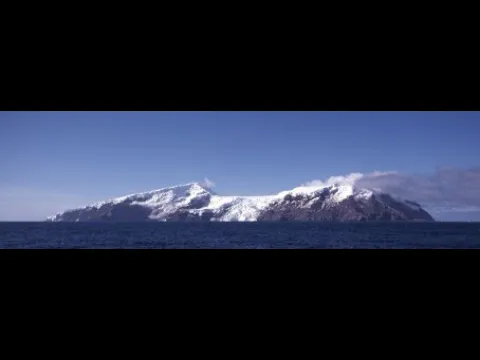

The Peak Of Isolation
The idea of being completely out of reach of any civilization finds in Bouvet the definitive example. If someone wanted to disappear from the map, there would be no better place.
The island combines distance, harsh climate, complicated access, and a total absence of permanent human life. It is isolation at its maximum level.
With information from Mega Curioso.